
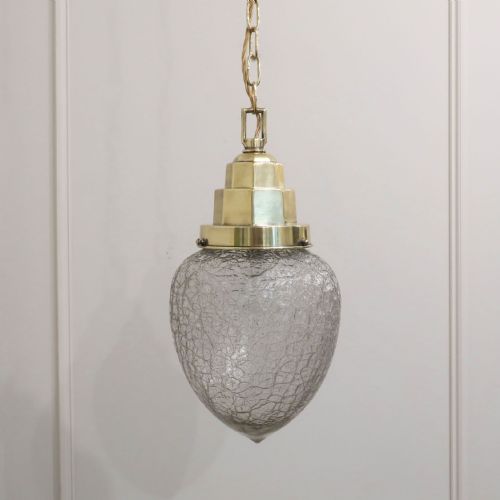


1930s Deco Pendant
These 1930s deco pendant examples combine geometric design and period materials, offering authentic lighting and jewellery for character interiors.
1930s Deco Pendant
A 1930s deco pendant brings characteristic period geometry and craftsmanship into domestic spaces through hanging lights and fine jewellery. Buyers seek these pieces for their distinct aesthetic, which bridges early twentieth-century modernism and traditional decorative arts.
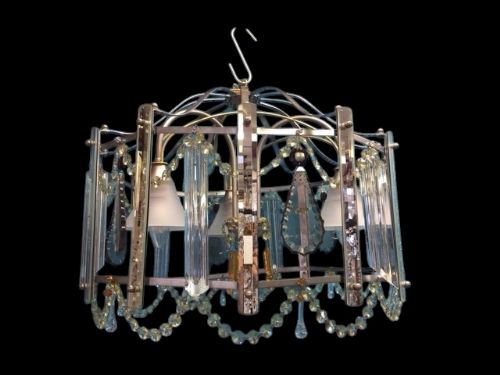
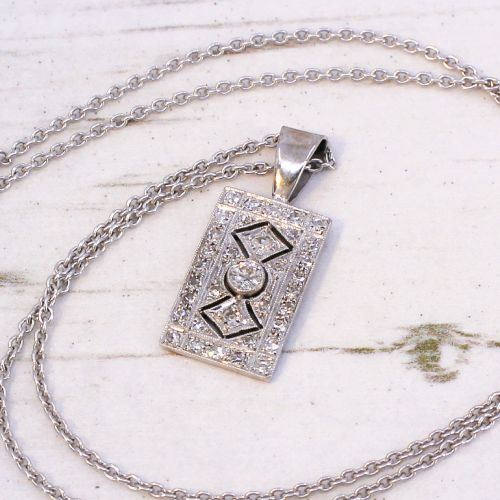
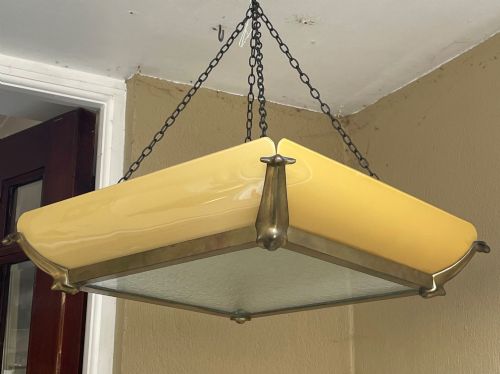
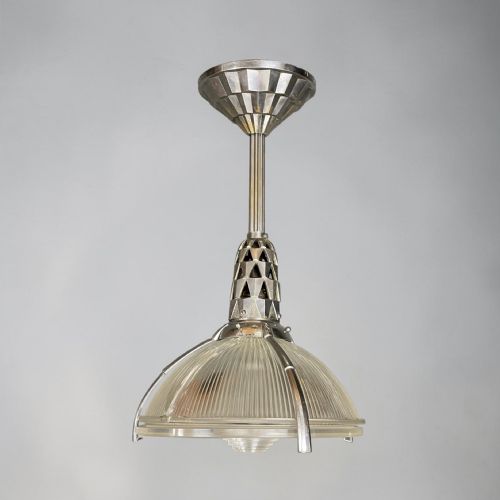
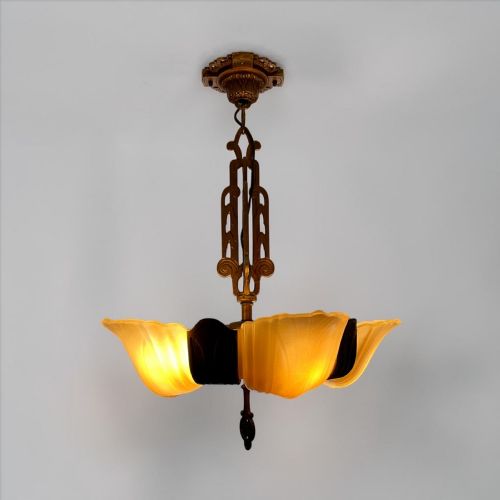
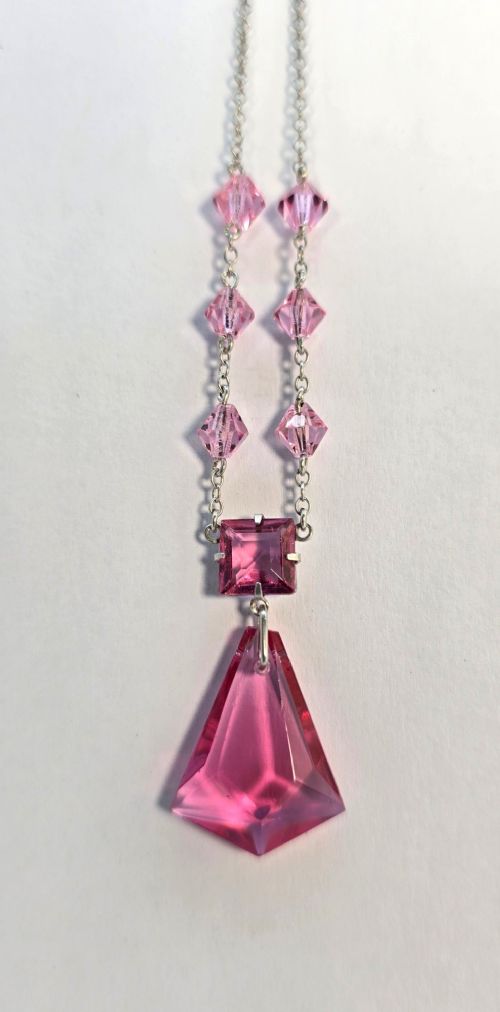
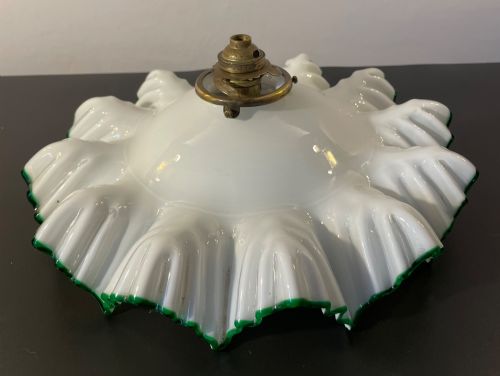
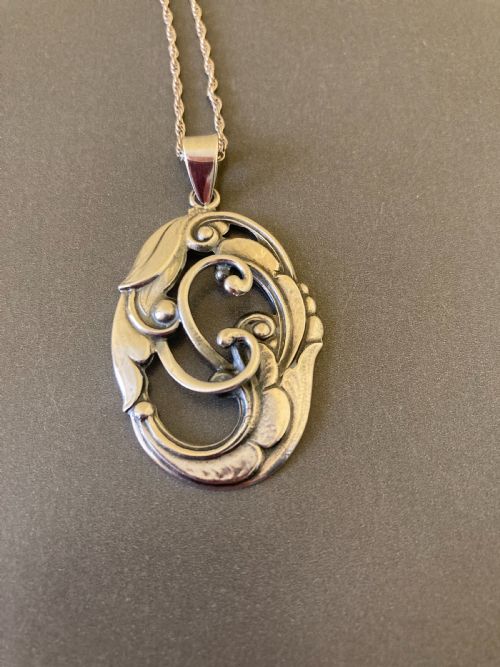
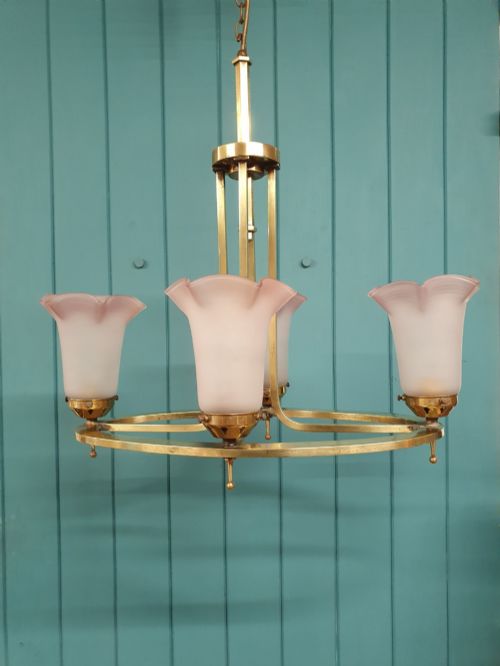
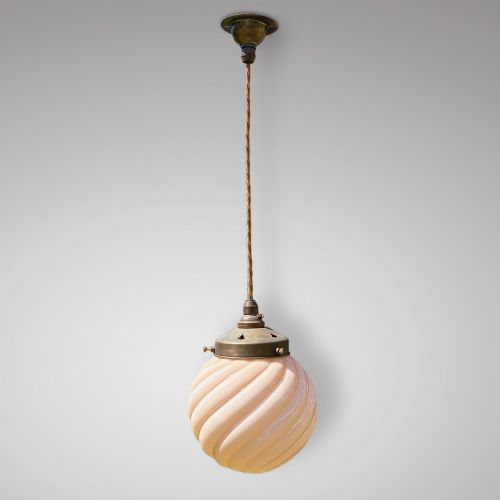
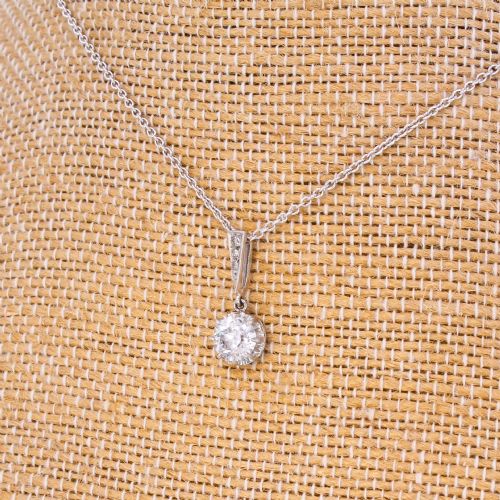
Lighting examples on this page range from single slip shade ceiling fixtures and opaline glass bowls to multi-arm brass chandeliers and hall lanterns. Pendant necklaces and drop jewellery set in platinum, silver, or gold also appear alongside these architectural fittings.
Most items date from the nineteen-thirties, though select pieces draw on Victorian antecedents or extend into the nineteen-forties. French influences and Danish silver designs add regional variation to the overall selection.
Materials and construction
Makers utilised a combination of metals such as brass, chrome, silver, and platinum alongside moulded, frosted, or opaline glass. Metal frames provide structural support for heavy glass shades and intricate crystal drops.
Jewellery pieces incorporate diamonds, garnets, sapphires, opals, and pearls mounted in precious metals like yellow and white gold. Glass components for lighting were frequently slip-moulded or hand-cut to achieve characteristic geometric and floral motifs.
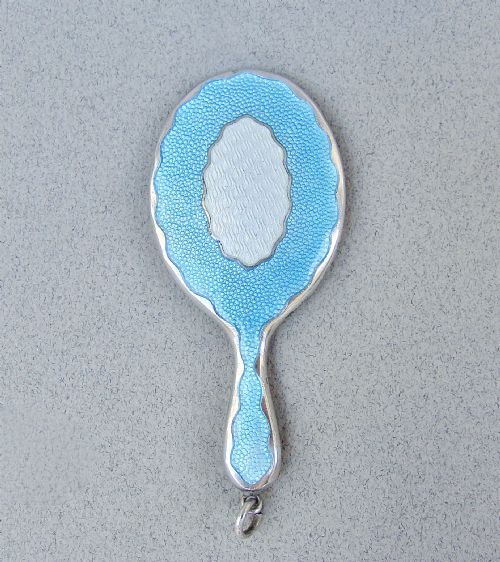
A silver purse mirror bearing a Birmingham hallmark brings a touch of nineteen-thirties handbag elegance straight to the dressing table.
Distinctions in quality
Quality rests on the integrity of the materials, the crispness of metal casting, and the refinement of glass or gemstone cutting. Superior lighting fixtures display substantial gauge brass or chrome frames supporting heavy, unblemished glass shades.
In jewellery, quality is evident in the precision of stone settings, the clarity of diamonds and coloured gems, and the subtlety of silver work or enamel detailing. Maker attribution, such as signed pieces by Émile-Jacques Ruhlmann or Henry Williamson, elevates a piece through documented provenance.
Émile-Jacques Ruhlmann·Henry Williamson
The 1930s Deco Pendant Glossary
- Slip Shade
- A moulded glass shade designed to slide directly into a metal frame on a ceiling light or sconce. These elements define many American and European fixtures from the period.
- Opaline Glass
- An opaque or translucent white glass that diffuses light evenly across pendant bowls and shades. It gained widespread popularity for its soft glow.
- Platnion
- A proprietary metal alloy used in period jewellery as a substitute for platinum. It offers similar strength and resistance to tarnish.
- Plafonnier
- A ceiling-mounted light fixture with a glass bowl placed close to the ceiling surface. These fixtures save vertical space while diffusing light outward.
- Guilloche Enamel
- A decorative technique where enamel is applied over a metal surface that has been machined with an intricate geometric pattern. This creates depth and plays with light.
1930s Deco Pendant: Frequently Asked Questions
How do I hang a heavy brass chandelier safely?
Heavy chandeliers require direct attachment to ceiling joists using a rated support box rather than standard plaster fixings. Consult a qualified electrician to ensure the wiring and structural support match the weight of the brass and glass components.
Verify that the hanging chain and ceiling canopy are secure before testing the electrical circuit. Proper load distribution protects both the vintage metalwork and the ceiling structure.
What is the difference between opaline and frosted glass?
Opaline glass is an opaque or semi-translucent white material created by adding bone ash or chemical compounds during manufacturing, resulting in a milky appearance that diffuses light completely. Frosted glass, by contrast, is transparent glass treated via acid etching or sandblasting to create a textured, light-scattering surface.
Lighting fixtures utilise both depending on the desired diffusion level. Opaline provides a softer ambient glow, while frosted glass retains more directional clarity.
How do I clean antique silver and glass pendants?
Wash glass shades in warm soapy water using a mild detergent, avoiding abrasive pads that can scratch moulded surfaces. Dry thoroughly before reattaching them to metal frames.
Clean silver chains and settings with a soft microfibre cloth designed for jewellery care. Keep polishing liquids away from mounted gemstones and enamel sections to prevent chemical damage.
Can I shorten a 1930s pendant chain?
Most hanging chains can be adjusted by removing links or tucking excess electrical flex into the ceiling canopy. Professional help ensures the internal wiring remains safe and undamaged during the adjustment.
Retain the removed links in case you ever need to re-hang the light at a higher ceiling height in the future.