




Geometric Gold Pendant
These geometric gold pendant pieces combine linear design with precious metals, offering collectors a striking piece of period jewellery.
Geometric Gold Pendant
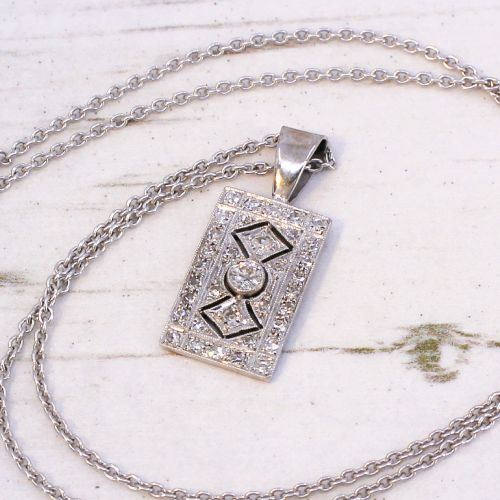
A geometric gold pendant brings together angular forms and precious metals, drawing heavily from the distinct aesthetic of the Art Deco period. Buyers searching for a geometric gold pendant encounter pieces shaped by the stylistic shifts of the 1920s and 1930s, alongside earlier Edwardian and Victorian examples.
How they were made
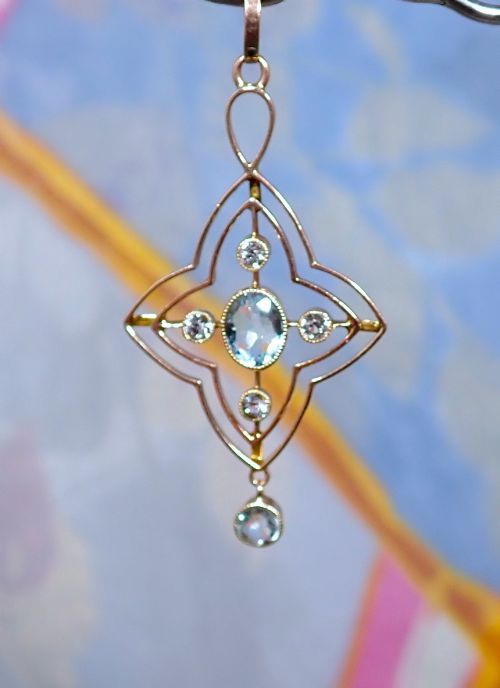
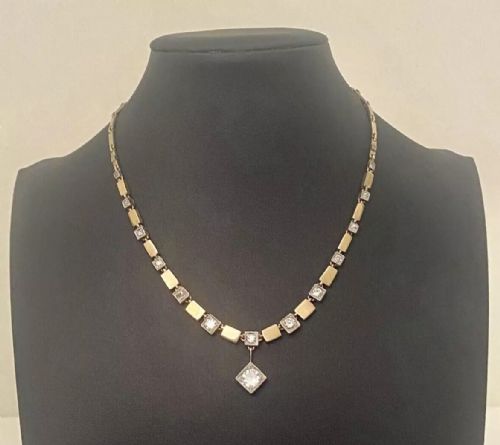
Craftsmen utilised various gold purities, predominantly 9ct and 18ct, alongside platinum and white gold to construct these structural mounts. Gemstones such as diamonds, aquamarines, pearls, and rock crystal were then set into the metal frames to accentuate the linear compositions.
Techniques relied on precise metalwork to achieve the sharp angles and articulated drops characteristic of the periods represented. Enamel and specific stone cuts further defined the surface texture and visual rhythm of each item.
The listings span periods from the Victorian era through the Edwardian years to the 1950s, with a strong concentration in the 1920s and 1930s.
What varies in quality
Quality rests in the precision of the metal fabrication and the calibre of the stones integrated into the design. Pieces that display complex articulated joints and carefully matched diamond carats sit at a different level from simpler single-stone mounts.
The choice of materials also dictates the standing of a piece, with combinations of platinum and higher-carat white gold marking out the more ambitious examples from standard 9ct yellow gold alternatives.
The Geometric Gold Pendant Glossary
- Art Deco
- A design style spanning the 1920s and 1930s characterised by symmetry, geometric shapes, and stylised motifs. It remains the dominant aesthetic for these pendants.
- Articulated
- Built with movable joints that allow sections of the jewellery to swing independently. This technique adds movement to drop earrings and pendants.
- Platinum
- A dense, durable white metal prized for its strength in fine setting work. It permits delicate claw structures that hold diamonds securely.
- Carat
- The unit of weight used for gemstones. Higher figures indicate larger stones integrated into the piece.
Geometric Gold Pendant: Frequently Asked Questions
How do I date a geometric gold pendant?
Dating relies on stylistic markers such as the sharp linear motifs of the 1920s and 1930s Art Deco movement. Comparing the metal purity marks and stone-setting techniques against known historical periods provides further clarity.
Items from the Edwardian or Victorian eras often display softer floral or cross motifs before the rigid geometry of the interwar years took hold.
What metals are used in these pendants?
The listings show a range of metals including 9ct gold, 14ct rose gold, 18ct white gold, yellow gold, and platinum. White gold and platinum were particularly popular during the Art Deco era to complement diamond settings.
Yellow gold appears across multiple periods, providing a warmer contrast to coloured stones like aquamarine and carnelian.
Are these pieces suitable for daily wear?
Most items tolerate regular wear provided they receive proper care, especially antique pieces containing delicate settings or pearls. Storing them separately prevents scratching between metal and stone surfaces.
Checking claw settings periodically ensures that diamonds and other gemstones remain secure within their geometric mounts.
What gemstone cuts are most common?
Old cut diamonds frequently appear alongside square, rectangular, and round stones that reinforce the linear arrangement of the jewellery. Rock crystal and cabochons also feature to create smooth, contrasting planes.
These cuts serve the overall architectural symmetry rather than simply maximising stone brilliance.