
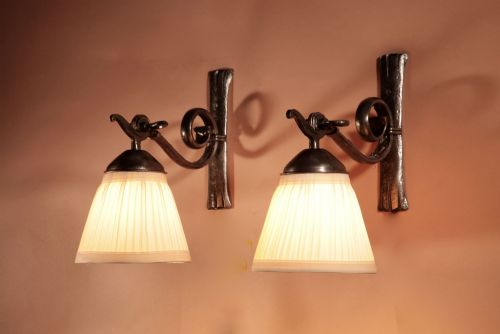
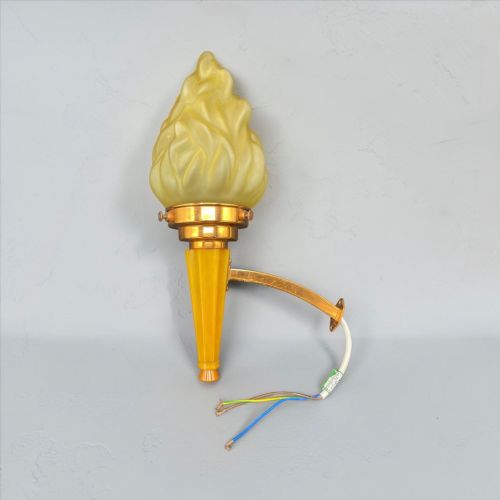
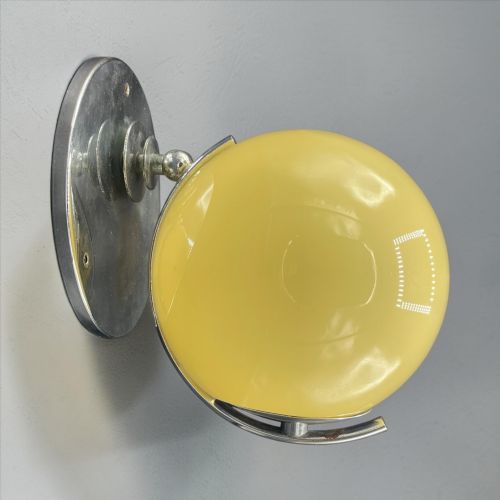
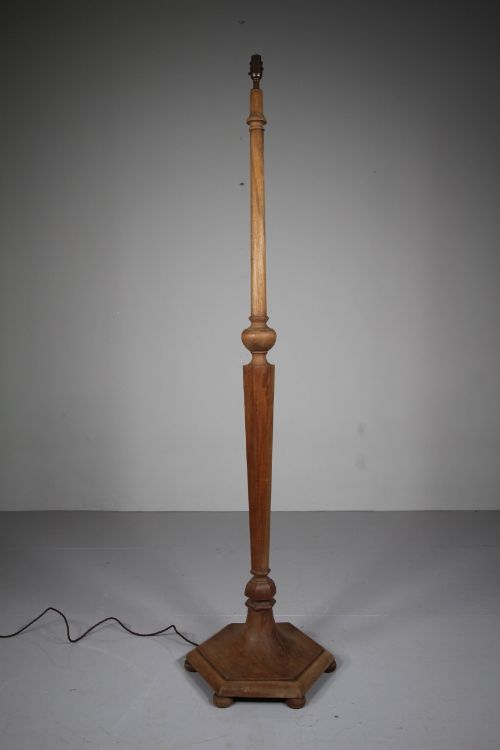

1930s Deco Lamp
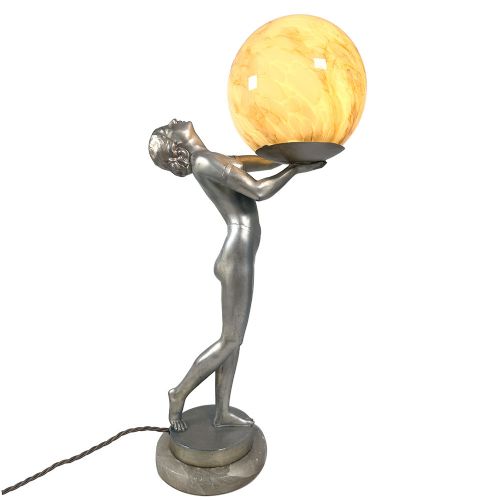
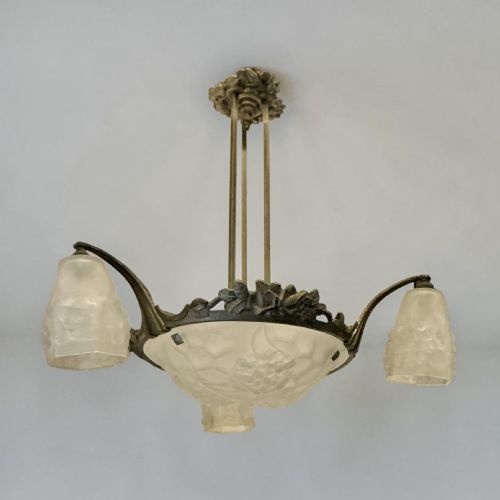
A 1930s deco lamp brings geometric geometry, striking metals and distinctive coloured glass to any room.
1930s Deco Lamp
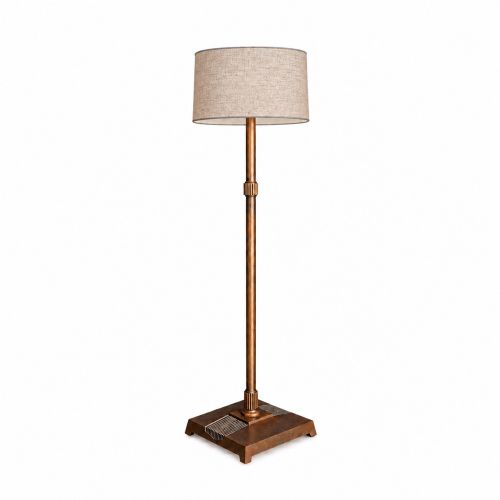
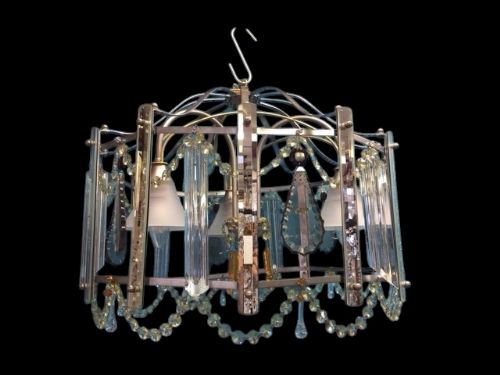
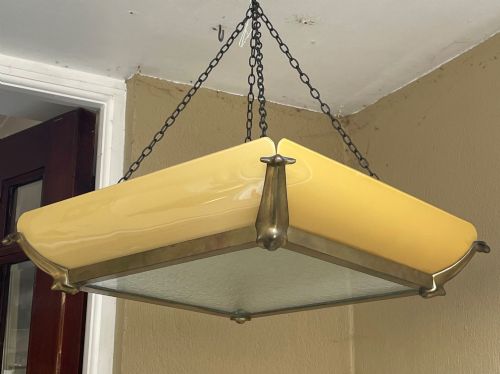
When searching for a 1930s deco lamp, buyers encounter a diverse selection of lighting fixtures spanning table lamps, desk lamps, floor lamps, standard lamps and pendant lights. The examples on this page capture the distinctive aesthetic of the interwar period, combining functionality with stylistic flair.
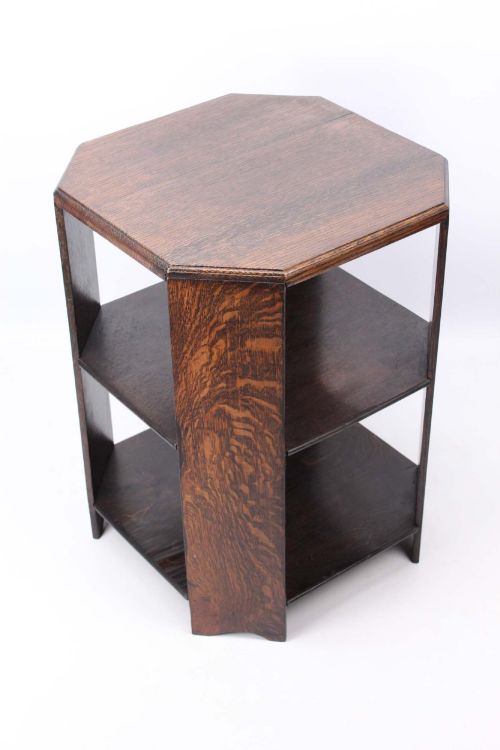
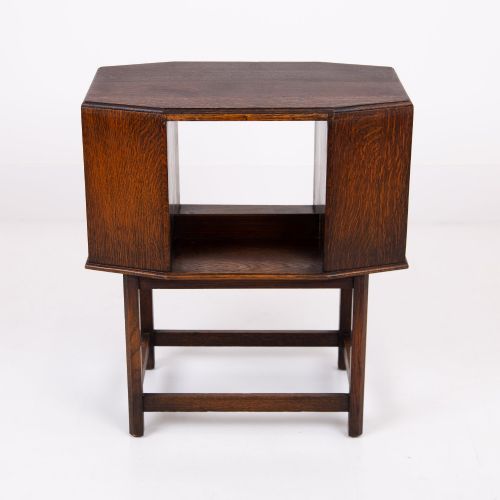
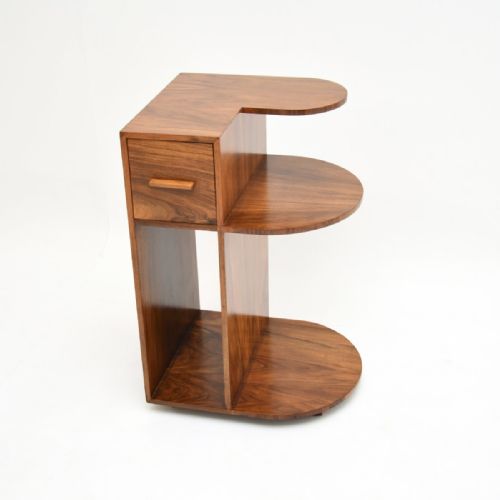
Most pieces date from the 1930 and 1920 periods, carrying influences from Art Deco, French Country, Machine Age and American Art Deco styles. Alongside standard lighting forms, related occasional furniture such as side tables and coffee tables appear frequently across the listings.
Materials and construction
These lamps rely on a robust mix of metals, woods and glass to achieve their structural form and visual contrast. Brass, chrome, copper and wrought iron provide durable frames, while bases often incorporate marble, alabaster or solid wood.
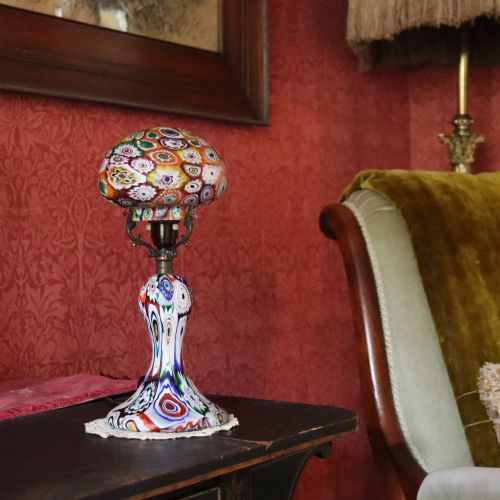
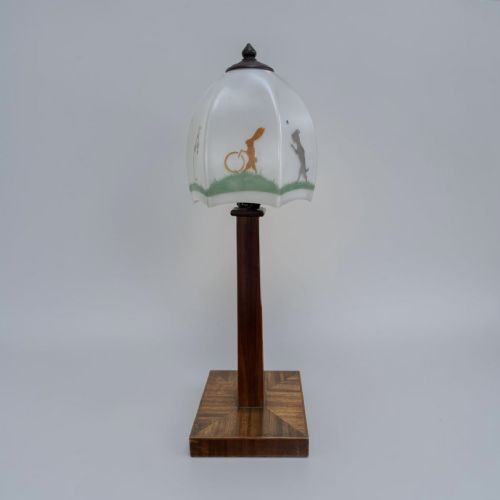
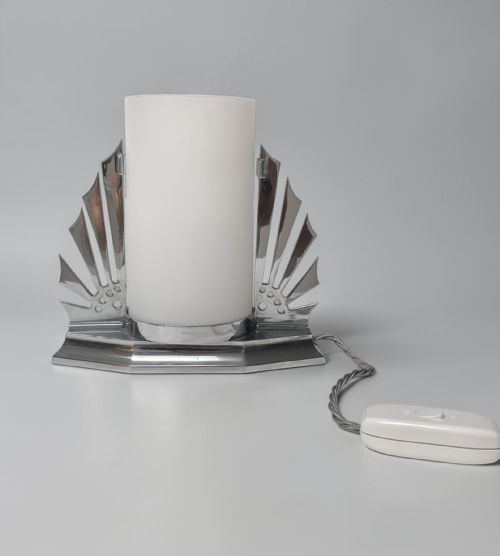
Shades and decorative elements utilise specialist glass techniques, including frosted, opalescent, mottled, slip shade and millefiori methods. Selected models incorporate early plastics such as bakelite alongside figured walnut, oak, satinwood and rosewood veneers.
Keep an eye out for whimsical novelty dog and parrot lamps guarding your bedside table.
What varies in quality
Quality in these lighting pieces rests upon the precision of metalwork and the craftsmanship of the glass components. Superior examples display clean casting, well-finished chrome or brass surfaces and substantial marble or metal bases that provide secure balance.
Artistic execution distinguishes standard production from exceptional pieces, particularly in figurative models featuring animals or human forms. The integration of named glass makers and attribution to prominent designers elevates the status of individual items within the collection.
Fratelli Toso·Eileen Grey·Émile-Jacques Ruhlmann·Charles Schneider·Lacroix·Lalique·Muller Frères·Degué·Wedgwood
The 1930s Deco Lamp Glossary
- Bakelite
- An early form of thermosetting plastic used for switchgear, lamp bases and body mouldings. This synthetic material defined modernist industrial design during the interwar decades.
- Slip shade
- A type of moulded glass shade that slots directly into a metal frame or basket. These shades are common in American Art Deco ceiling and wall lighting.
- Millefiori
- A glasswork technique involving multi-coloured canes fused together to create intricate floral patterns. It appears frequently in Italian art glass lamps from the period.
- Opaline glass
- A milky, semi-translucent glass that diffuses light evenly without harsh glares. It was widely utilised for globe and shade components on desk and table lighting.
- Machine Age
- A design aesthetic celebrating industry, technology and streamlined efficiency. Objects from this movement often feature polished chrome, stark geometry and minimal ornamentation.
1930s Deco Lamp: Frequently Asked Questions
How do I identify a 1930s deco lamp?
Look for characteristic geometric lines, stepped bases and industrial materials like chrome paired with glass. The inclusion of moulded slip shades or stylized figurative elements typically confirms the period.
Examine the construction methods and material combinations, as genuine period pieces favour solid brass, wrought iron and heavy marble over lightweight modern substitutes.
Where should I place a floor lamp?
Standard and floor lamps suit corners of living rooms, reading spaces or home offices where they provide both ambient illumination and a strong sculptural accent. Their vertical presence helps anchor open spaces.
Ensure the heavy base sits securely on firm flooring, and position the fixture near a suitable power outlet to avoid trailing cords across walkways.
What glass types are common?
Common glass varieties include frosted, opalescent, mottled and slip-cast configurations designed to soften bulb glare. Many pieces also feature coloured or textured art glass.
Specialist glass types require careful handling during cleaning, using mild solutions to preserve the original surface texture and internal colouring.
How do table and desk lamps differ?
Desk lamps generally offer adjustable arms or focused task lighting suitable for workspaces, often utilising metal shades or banker's lamp configurations. Table lamps prioritize decorative ambient glow.
Both forms utilise the same period materials, though desk models frequently incorporate heavy weighted bases to support directional adjustments.