



1930s Clothing Wardrobe
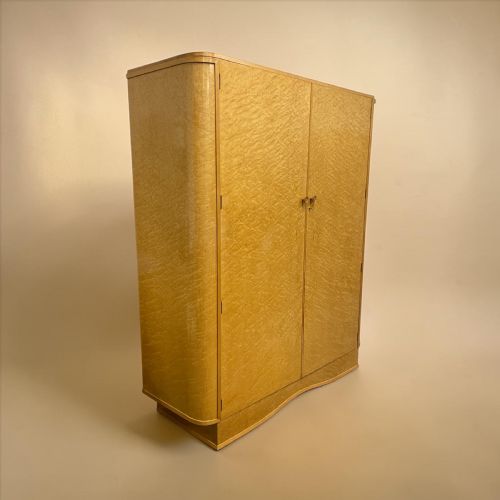
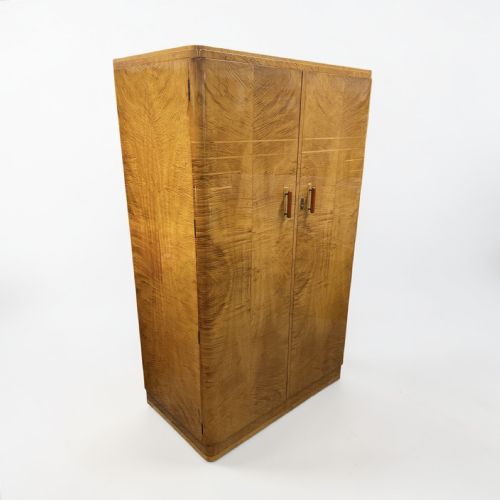
A 1930s clothing wardrobe brings geometric proportion and rich grain figures to the bedroom through classic Art Deco design.
1930s Clothing Wardrobe
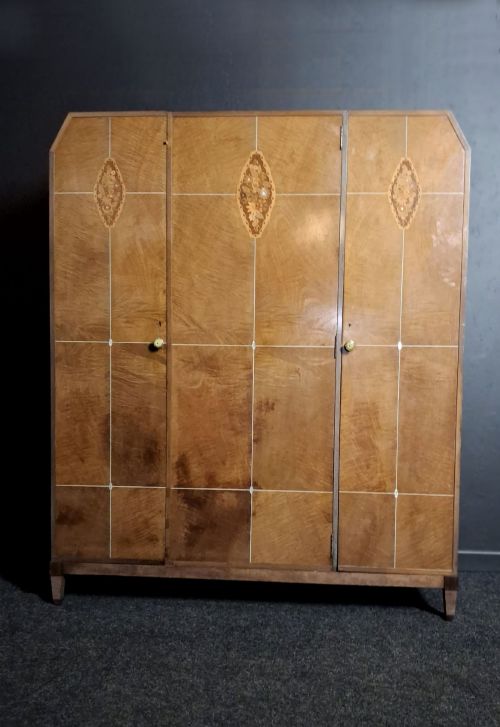
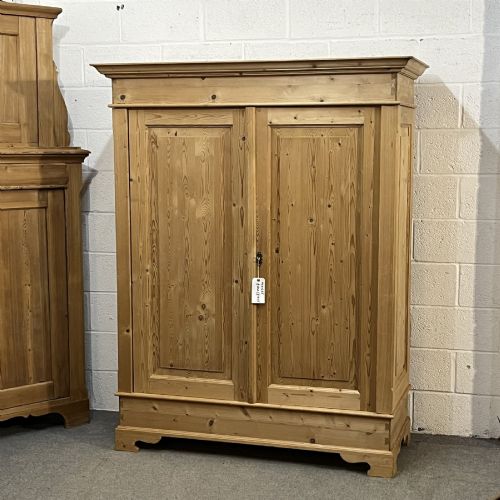
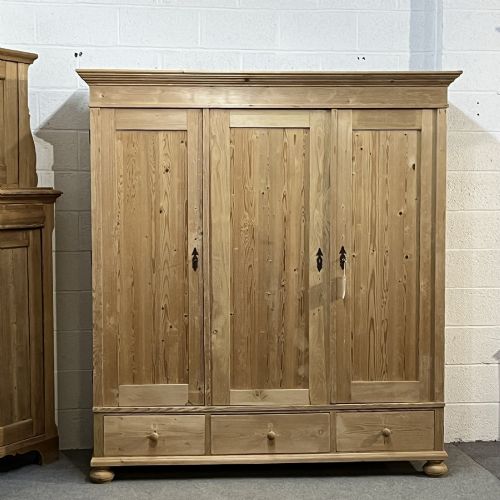
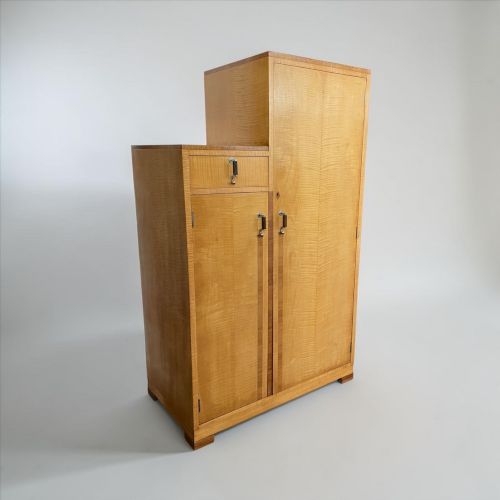
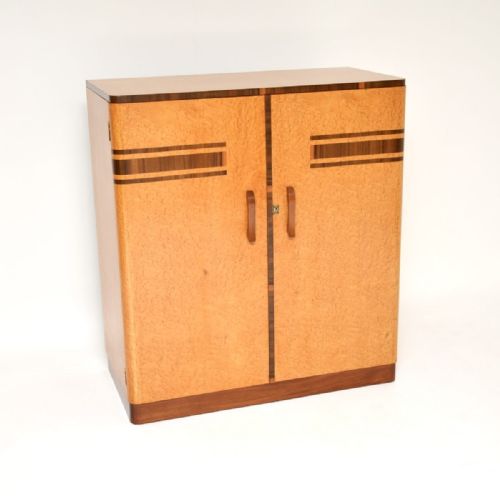
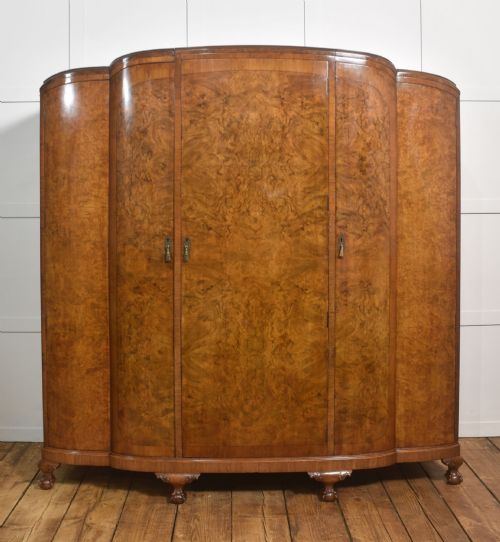
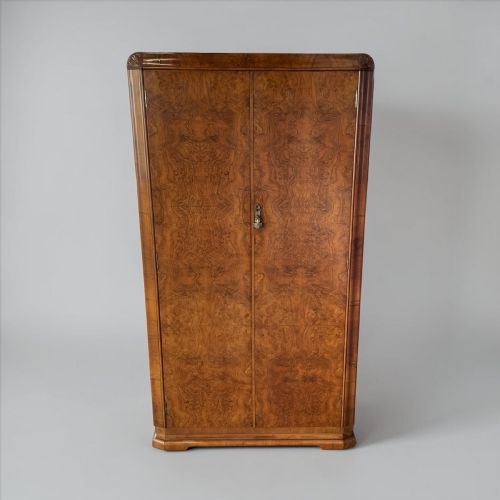
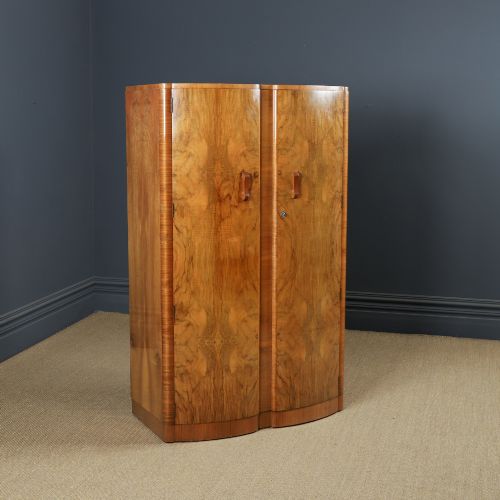
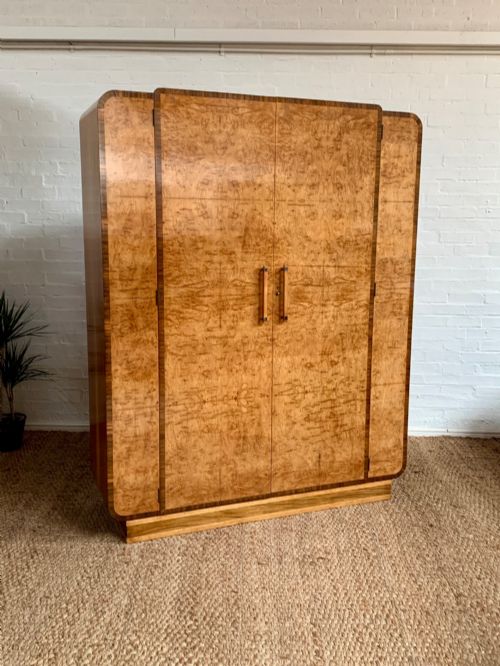
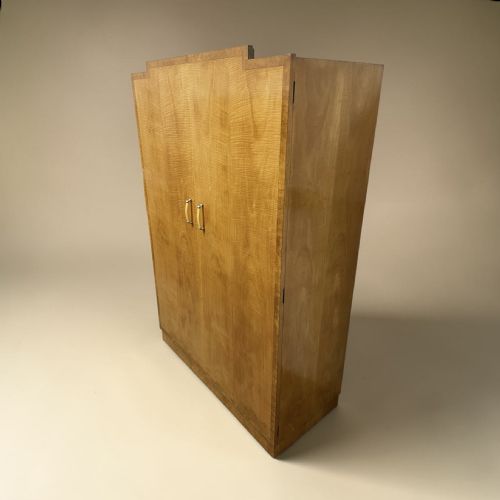
A 1930s clothing wardrobe primarily takes the form of an Art Deco cabinet, showcasing double, triple, or compactum configurations designed for domestic storage. These pieces reflect the prominent styles of the 1930 period, drawing heavily on Art Deco and 1930s Country aesthetics.
Makers and workshops of the period such as Waring & Gillow and Harry and Lou Epstein produced notable examples that defined the era's cabinetry. Buyers will find both large breakfront wardrobes and smaller single or double door armoires suited to various room sizes.
How they were made
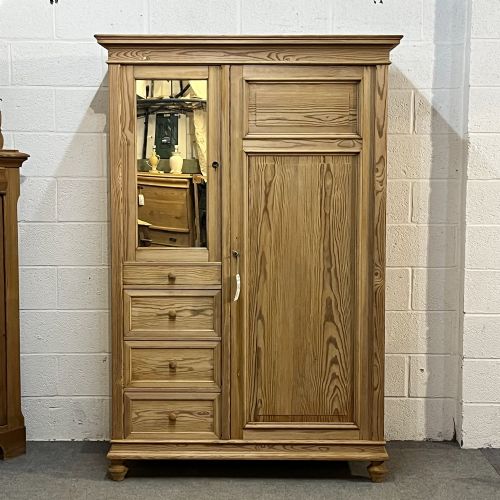
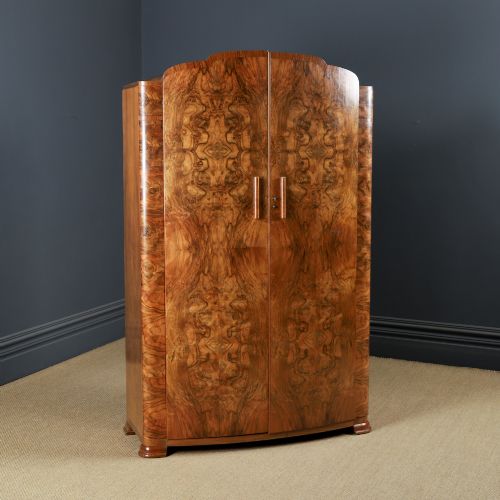
Construction relies heavily on timber veneers applied to core woods, with burr walnut veneer and walnut veneer chosen for their striking, decorative grain patterns. Artisans also utilised birch, birds eye maple, and antique pine alongside solid timber sections.
Hardware details typically incorporate brass fittings and Bakelite handles, reflecting the industrial materials popular during the 1930 period. Structural elements often include mirrored doors and internal drawer fittings within the compactum designs.
1930s Clothing Wardrobe Retail Price Guide 2026
Typical asking prices for 1930s clothing wardrobe among the pieces listed under this phrase on Sellingantiques today, from the lower quarter to the upper quarter. They describe what is for sale here now, not the wider market.
Compactum wardrobes of this era often concealed secret internal tie racks and shoe rails behind heavy burr walnut doors.
What varies in quality
Quality in a 1930s clothing wardrobe rests on the selection and matching of the veneer timbers, particularly how grain figures are mirrored across large double or triple doors. Superior pieces display thoughtful book-matching of burr walnut or cloud walnut that elevates the visual rhythm of the facade.
The complexity of the interior arrangement also distinguishes finer pieces, such as fitted compartments, built-in drawers, and specialist joinery found in compactum models. Attribution to documented makers like Waring & Gillow or Harry and Lou Epstein adds a distinct layer of craftsmanship and provenance.
Waring & Gillow·Harry and Lou Epstein
The 1930s Clothing Wardrobe Glossary
- Compactum wardrobe
- A multi-functional wardrobe combining hanging space, shelving, and internal drawers within a single fitted unit. This design maximises storage efficiency while maintaining a compact exterior footprint.
- Breakfront
- A cabinet design where the central section projects forward from the flanking outer doors. This architectural feature creates depth and shadow play across the front of the piece.
- Burr walnut veneer
- A thin slice of wood cut from a walnut tree growth or burl, prized for its swirling, organic patterns. It provides a highly decorative surface layer on Art Deco cabinetry.
- Art Deco
- A design style characterised by sleek geometric shapes, stylised motifs, and modern materials that dominated the 1930 period. It represents a sharp departure from traditional historic revival styles.
- Bow front
- A convex, curved front design that softens the linear angles of a wardrobe. This shaping requires skilled woodworking techniques to bend and fit timber accurately.
1930s Clothing Wardrobe: Frequently Asked Questions
What is a compactum wardrobe?
A compactum wardrobe is an integrated storage unit that combines hanging space with internal drawers and shelving behind closed doors. It was designed to offer comprehensive clothing storage within one unified piece of furniture.
These pieces often feature specialised internal compartments tailored for specific garments, reflecting the functional design priorities of the 1930 period.
How do I identify Art Deco furniture?
Art Deco furniture is recognised by its clean geometric lines, symmetrical compositions, and the use of striking decorative veneers like burr walnut. Hardware often incorporates contrasting materials such as brass and Bakelite.
Unlike heavier historic styles, these pieces emphasise streamlined forms and polished wood grains as the primary decorative elements.
Where should I place a large wardrobe?
Large double, triple, or breakfront wardrobes require substantial wall space and adequate clearance for opening full-length doors. Measuring both the height of your ceilings and the depth of the room is essential before placement.
Because these pieces serve as major focal points in a bedroom, positioning them where natural light can catch the walnut or maple grain enhances their appearance.
What woods were used in the 1930s?
Cabinetmakers of the 1930s frequently utilised walnut, burr walnut, birch, and birds eye maple, often applied as veneers over sturdy core timbers. Antique pine was also employed, particularly in more rustic or country-influenced pieces.
These timbers were chosen both for their structural stability and for their ability to be polished to a high sheen.