


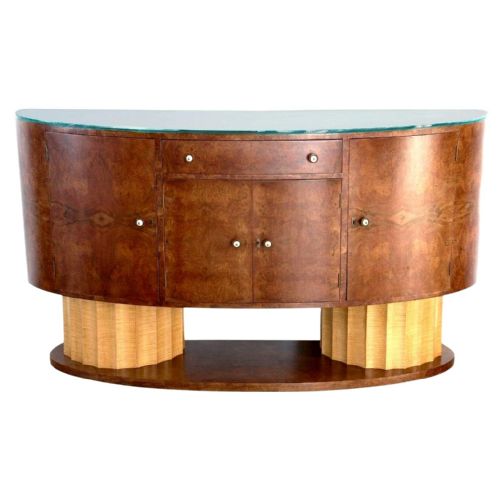


1930s Buffet Credenza
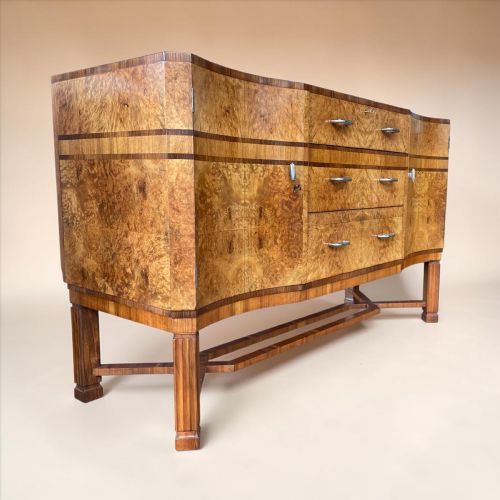
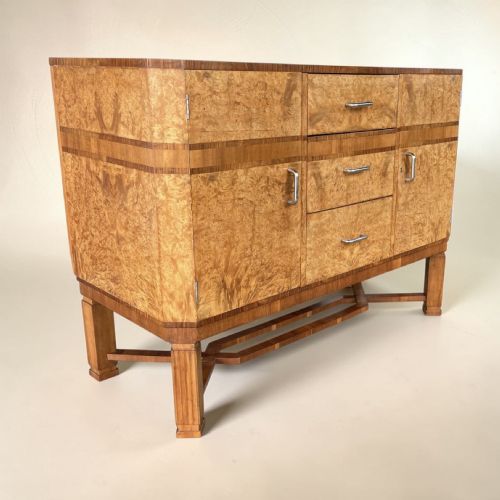
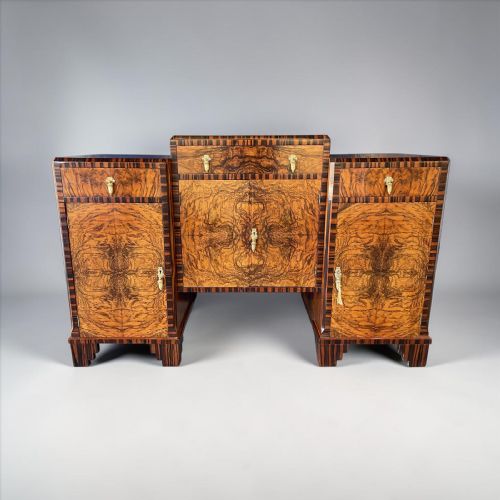
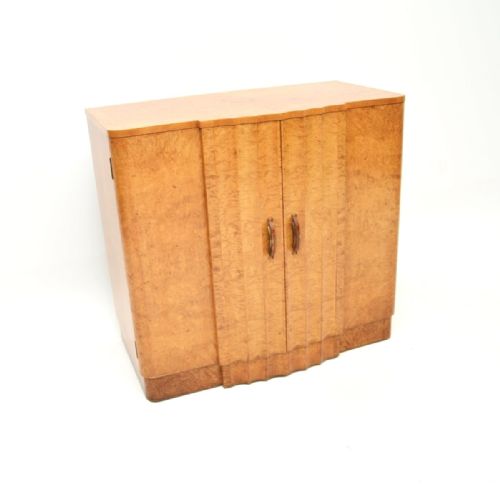
A 1930s buffet credenza brings geometric confidence and rich timbers into a dining room for serious storage.
1930s Buffet Credenza
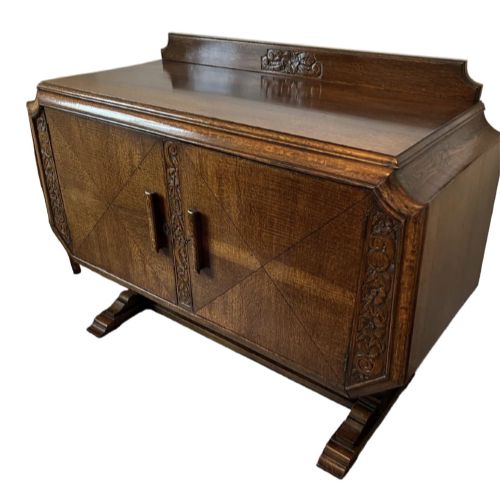
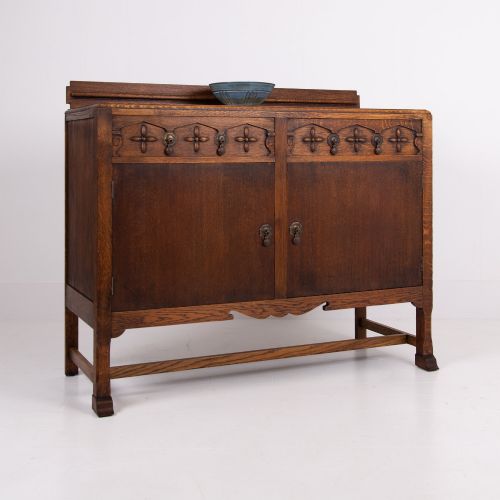
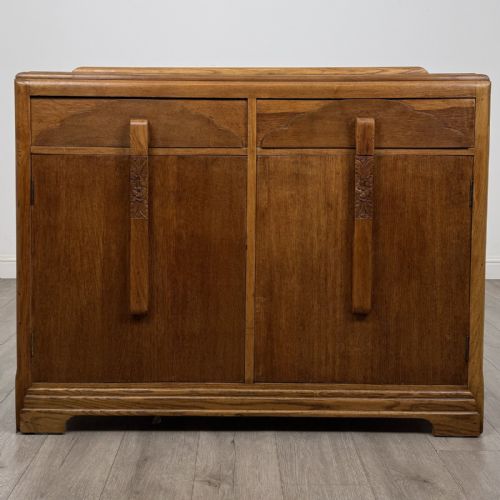
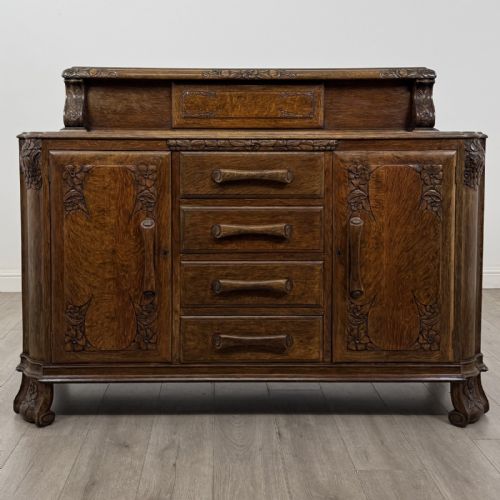
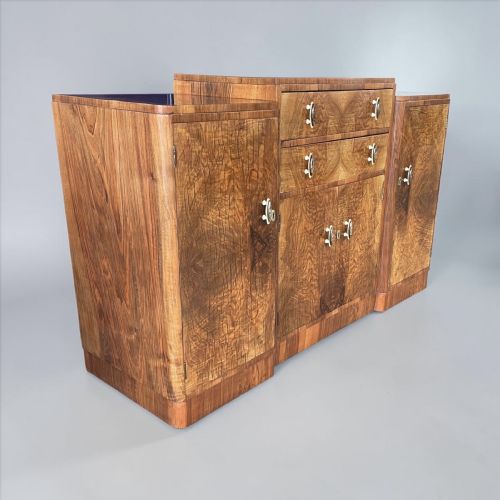
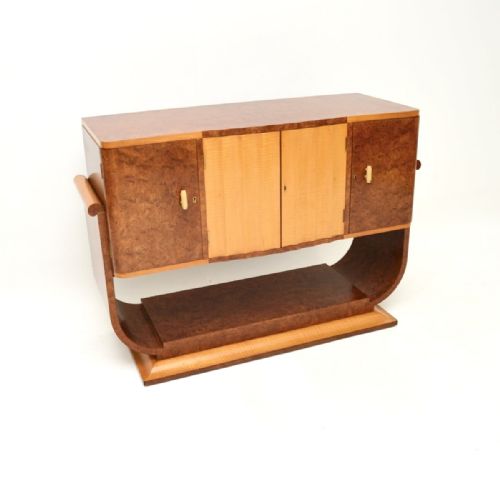
When someone searches for a 1930s buffet credenza, they encounter substantial dining furniture designed to hold silver, linen, and glassware. The pieces on this page are predominantly Art Deco sideboards and cabinets from the 1930 period, featuring strong horizontal lines and generous cupboard space. These items served as practical serving stations and storage units in interwar dining rooms.
The selection ranges from British workshops to French ateliers, offering diverse regional interpretations of the modern style. Buyers frequently encounter oak and walnut sideboards equipped with fitted cutlery drawers and shelved cupboards. Some examples incorporate raised galleries or marble tops, adding functional height and durable surfaces for serving food.
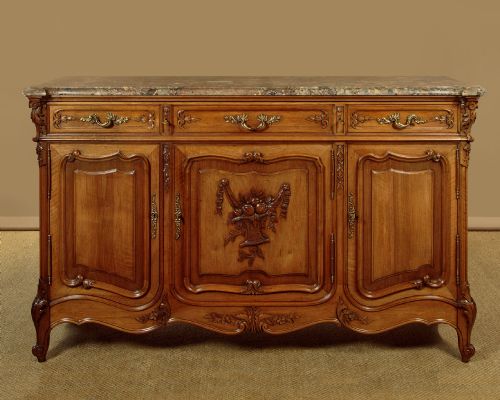
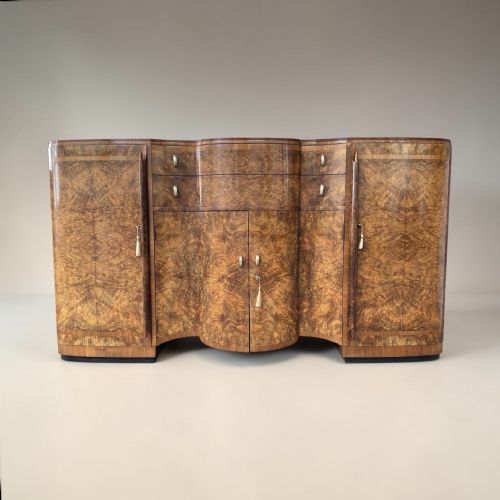
Alongside British productions, the inventory includes pieces reflecting French Provincial and Louis XV styles adapted to interwar tastes. Drinks cabinets and serpentine cupboards appear among the sideboards, expanding the options for entertaining spaces. Each form addresses the interwar demand for orderly, elegant storage in domestic interiors.
How they were made
Cabinet makers built these pieces using solid woods like oak and mahogany combined with decorative wood veneers such as burr walnut, macassar, and sycamore. Carpenters applied these figured veneers to flat and curved surfaces to create striking geometric patterns across the front doors and drawers. This technique allowed workshops to display the natural grain of exotic timbers while maintaining structural stability.
Metal components played a crucial role in construction, with brass handles, hinges, and mounts providing functional contrast to the dark and figured woods. Marble tops appeared on several French variants, offering a cool, heavy surface fitted neatly to the wooden carcass. Interior fittings often included specialised baize-lined compartments for cutlery and dedicated spaces for bottles.
1930s Buffet Credenza Retail Price Guide 2026
Typical asking prices for 1930s buffet credenza among the pieces listed under this phrase on Sellingantiques today, from the lower quarter to the upper quarter. They describe what is for sale here now, not the wider market.
Listings for this phrase include examples from the 1920 and 1930 periods, executed in oak, walnut, brass, and glass.
What varies in quality
The distinction between standard production and exceptional work rests on the selection and matching of wood veneers. Master workshops used symmetrical book-matching across multiple doors, creating continuous grain patterns that elevate the visual weight of the piece. Lesser examples rely on plain timber or simple cuts that lack this deliberate decorative symmetry.
Construction methods and hardware density also separate the tiers of manufacture. High-end pieces by notable makers utilise solid secondary woods in the drawer linings and heavy brass fittings that operate smoothly within close tolerances. The integration of specialised internal compartments, such as fitted drinks sections and lined cutlery drawers, indicates a higher grade of original commission.
Maurice Adams·Harry and Lou Epstein·Gomme·Hille·Hamptons of Pall Mall London·Bowman Brothers
The 1930s Buffet Credenza Glossary
- Burr walnut
- A prized timber taken from the wart-like growth on a walnut tree, producing swirling, highly decorative grain patterns. Cabinet makers prized this wood for creating dramatic panel fronts on interwar furniture.
- Credenza
- A sideboard or buffet used for storing and serving food, typically featuring cupboards and drawers. The term often describes low-profile cabinets designed during the Art Deco period.
- Parquetry
- A geometric mosaic of wood pieces used for decorative effect on furniture surfaces. French workshops frequently applied this technique to table and sideboard tops.
- Serpentine
- A furniture front or top that curves inward centrally and bows outward at the ends. This undulating shape requires advanced woodworking skill to execute properly.
- Sycamore
- A light-coloured hardwood frequently used for interior linings and contrasting stringing in cabinet work. Its pale tone sets off darker veneers like walnut and mahogany.
1930s Buffet Credenza: Frequently Asked Questions
What is a 1930s buffet credenza?
A 1930s buffet credenza is a large storage unit designed for the dining room to hold tableware, linen, and bottles. These pieces combine practical cupboards with wide serving surfaces on top.
Most examples from this decade reflect the geometric aesthetics of the Art Deco movement, utilising figured veneers and brass hardware.
How do I use one in a modern home?
These pieces function effectively as dining room servers or as media consoles in living spaces due to their generous internal capacity. The flat top surface provides ample room for lamps, decorative objects, or serving food during gatherings.
Internal shelving and drawers accommodate modern dinnerware, glassware, and electronics with ease.
How do I tell French and British pieces apart?
British pieces from this era tend to feature rectilinear oak or walnut construction with simple, sturdy proportions. Makers like Gomme and Epstein focused on practical domestic utility combined with bold veneer patterns.
French examples frequently incorporate serpentine curves, marble tops, and exotic woods like macassar ebony, reflecting a more theatrical approach to interior decoration.
What woods were commonly used?
Oak and walnut form the structural foundation for the majority of these items, providing strength and durability. Craftsmen enhanced the exterior appearance by applying decorative veneers such as burr walnut, sycamore, and macassar.
Solid secondary timbers like mahogany and maple also appear in drawer construction and internal framing.