

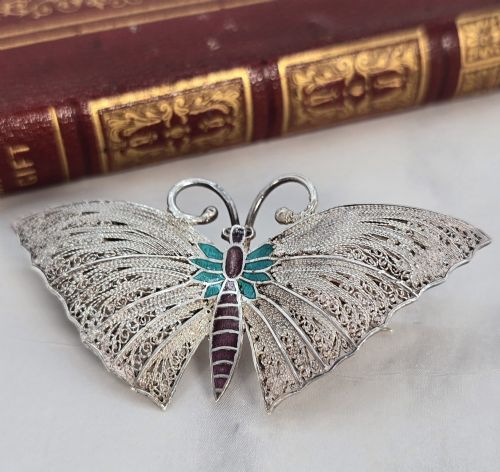


1930s Brooch
These pieces take the shape of a 1930s brooch, offering geometric lines and bright gemstones that catch the eye on any lapel.
1930s Brooch
A 1930s brooch brings forward the geometric rigour and symmetry of the Art Deco period, alongside colourful enamel work and whimsical insect or floral motifs. Buyers seek these jewels for their distinct architectural forms and the way platinum or silver settings hold old cut diamonds, sapphires, and emeralds.
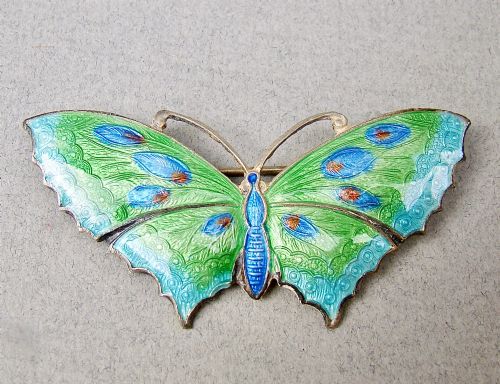
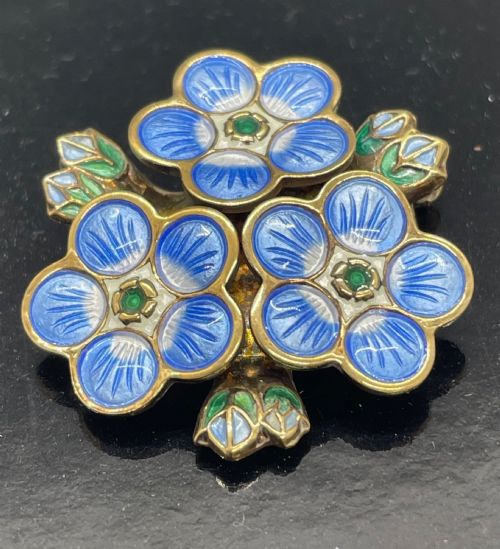
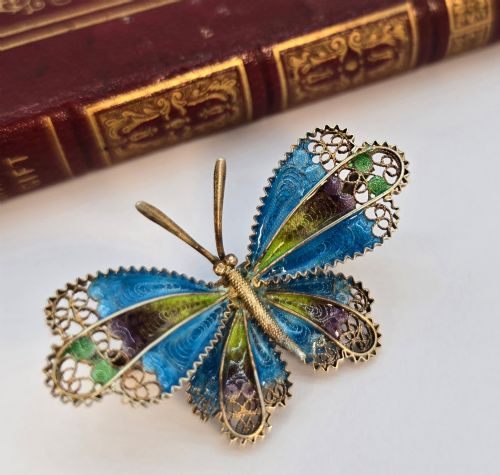
The most frequent examples encountered on this page combine silver, enamel, and paste or diamond accents, often taking the shape of butterflies, dragonflies, and delicate dress clips. These smaller pieces demonstrate how everyday accessorising shifted during the decade to accommodate practical yet decorative fastenings.
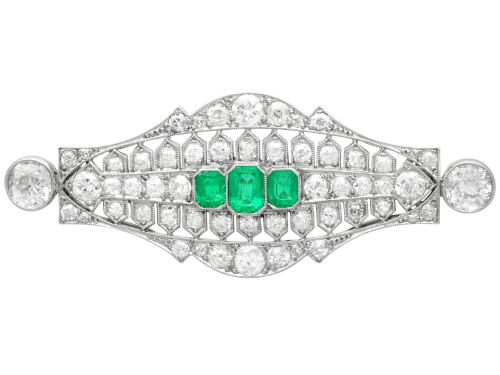
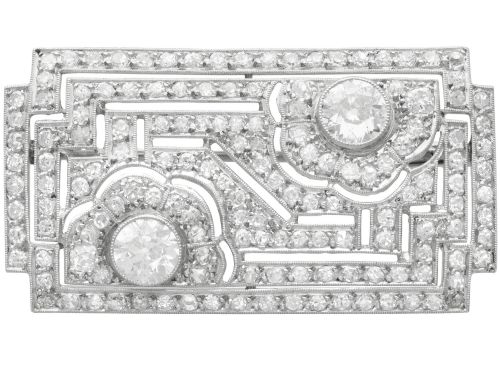
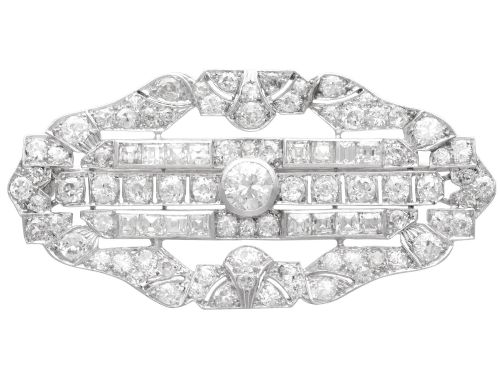
Larger platinum creations set with substantial diamond clusters represent the more formal end of the era. Alongside these, continental silver filigree and guilloché enamel pieces point to diverse regional workshops operating across Europe and beyond.
Materials and Methods
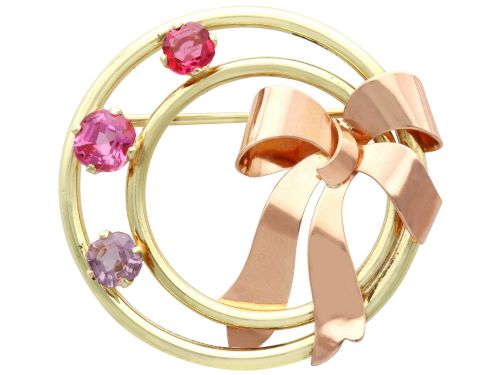
Platinum and sterling silver form the structural backbone of these jewels, providing the necessary strength to secure heavy diamond and gemstone layouts without bulky claws. Gold, both yellow and white, appears alongside silver gilt to warm the metal tones where required by the design.
Enamel techniques, particularly guilloché and translucent layers over engine-turned metal, create rich colour gradients across butterfly wings and geometric panels. Artisans also utilised fine silver filigree wire, marcasite settings, and specialised glass paste to achieve intricate patterns at varied price points.
1930s Brooch Retail Price Guide 2026
Typical asking prices for 1930s brooch among the pieces listed under this phrase on Sellingantiques today, from the lower quarter to the upper quarter. They describe what is for sale here now, not the wider market.
Tiny celluloid ducks and porcelain plaques found their way onto lapels alongside multi-carat diamonds during this eclectic decade.
Judging Quality
The distinction between standard commercial pieces and top tier examples rests on lapidary work and metal fabrication. Superior items feature hand-set old cut diamonds with high clarity and colour, paired with precise platinum framing that conceals solder joints and maximises light transmission.
Enamel preservation and metal finishing determine the integrity of smaller silver pieces. Clean, unbroken guilloché patterns and crisp filigree twist wire indicate skilled workshop production, whereas rushed casting or dull paste stones denote simpler manufacturing.
David Andersen·Georg Jensen·Paillette·Jakob Bengel
The 1930s Brooch Glossary
- Art Deco
- A design style dominant in the 1920s and 1930s characterised by clean geometric lines, stylised symmetry, and industrial influences. It replaced the flowing curves of Art Nouveau with rigid architectural forms.
- Guilloché enamel
- A decorative technique where a mechanical pattern is engraved into metal beneath a transparent layer of coloured enamel. This process produces rhythmic wave or sunburst effects that catch light beneath the glass.
- Silver gilt
- Sterling silver that has been coated with a thin layer of gold through chemical or electrolytic processes. It offers the warmth of gold combined with the working properties of silver.
- Dress clip
- A hinged jewellery component designed to fasten securely onto clothing lapels or necklines without piercing the fabric. They frequently convert into double clip brooches via a separate frame.
- Paste
- Faceted lead glass cut and polished to imitate gemstones such as diamonds or emeralds. Historically valued for its own optical brilliance rather than mere deception.
1930s Brooch: Frequently Asked Questions
How do I wear a 1930s brooch?
These jewels suit heavy wool coats, silk scarves, and formal dress lapels. Pin placement can anchor drapes or accent the collar of a blouse.
Double clip versions offer versatility by splitting into two symmetrical pieces worn on separate lapels or joined together on a single frame.
Are these brooches made of platinum?
Platinum served as the primary precious metal for high end diamond and gemstone pieces during this decade. It provided exceptional strength for delicate openwork settings.
Silver, silver gilt, and white gold appear frequently in continental workshops and smaller novelty designs.
What motifs are common?
Insect designs, particularly butterflies and dragonflies, dominate the enamel and silver categories. Floral sprays and geometric abstract patterns also feature prominently.
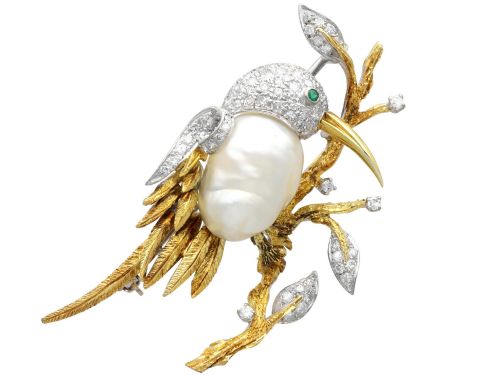
Novelty items include celluloid figures and whimsical bird shapes set with pearls and gemstones.
How do I spot an original piece?
Examine the pin mechanism, catch style, and metal hallmarks for period characteristics. Older brooches often feature C-clasps or early safety catches alongside hand-finished metalwork.
Material choices like platinum-tested settings and natural gemstones help confirm the era of manufacture.