



1930s Birds Eye Maple
These 1930s birds eye maple pieces bring striking grain patterns and geometric lines into modern rooms.
1930s Birds Eye Maple
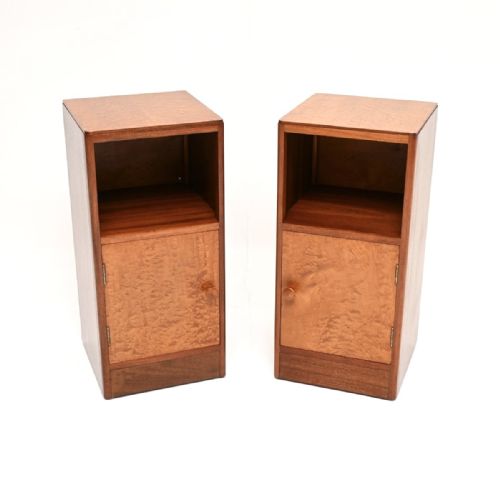
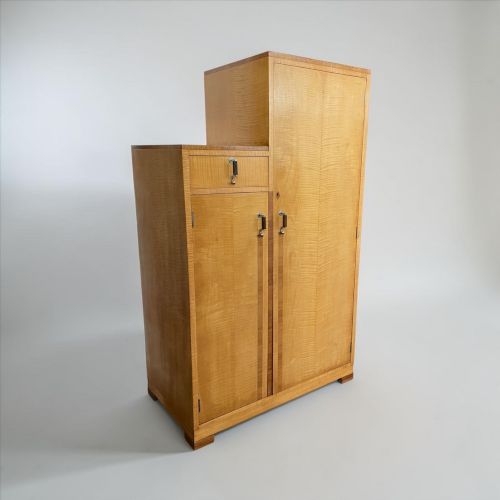
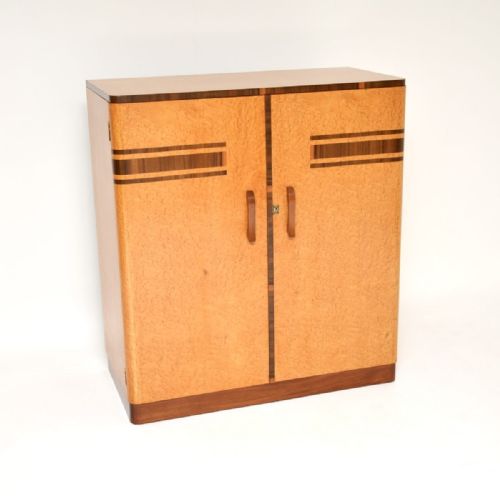
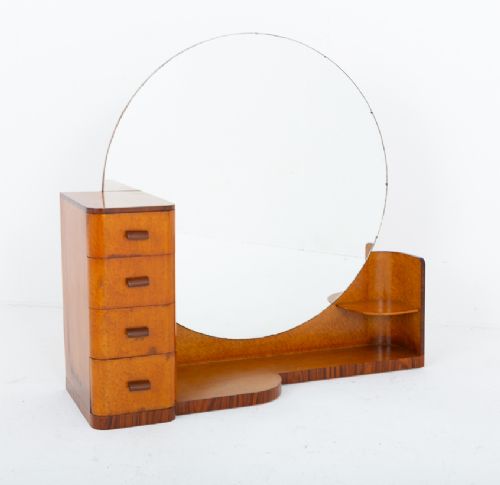
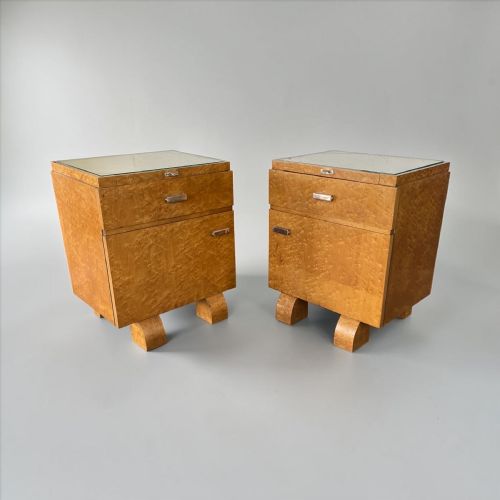
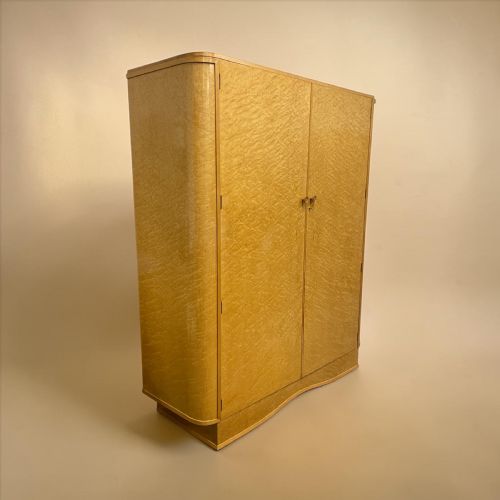
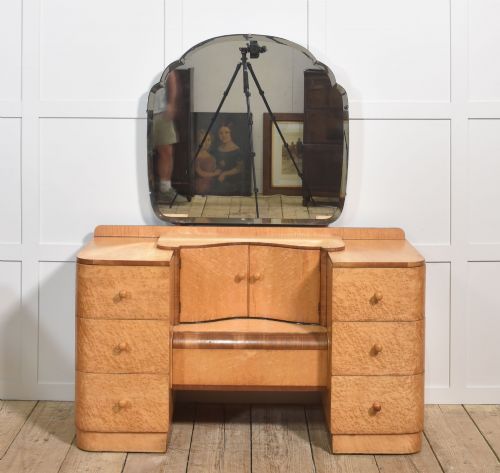
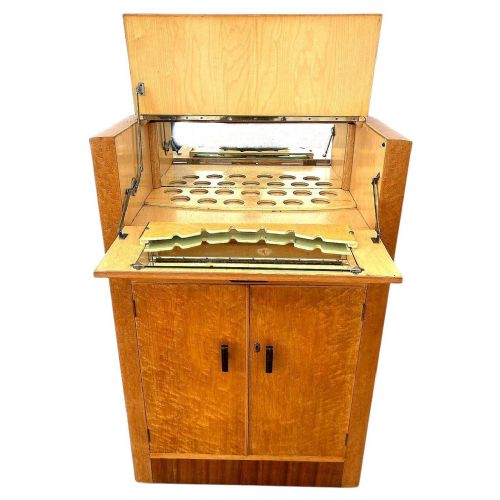
When you search for 1930s birds eye maple, you encounter functional bedroom and living room furniture defined by the Art Deco style. The pieces span wardrobes, dressing tables, bedside cabinets, and cocktail cabinets.
Bedside cabinets and dressing tables dominate the forms you meet most often on this page. Makers combined the distinctive patterned timber with contrasting woods like walnut and rosewood.
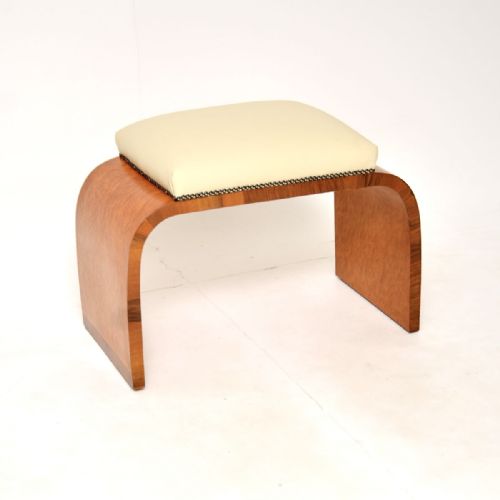
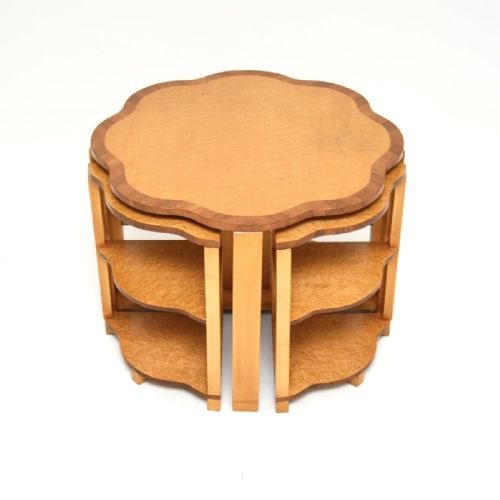
The selection also includes nesting tables, stools, beds, and dining suites. Most items date from the 1930s, though occasional examples date from adjacent decades.
How they were made
Craftsmen utilised birds eye maple veneers across large surfaces to showcase the characteristic dotted figuring of the wood. Solid timber elements provided structural support, often paired with secondary woods such as walnut.
Designers incorporated metal accents including chrome, brass, and silvered glass alongside leather upholstery. These contrasting materials emphasised the modernist aesthetic of the period.
1930s Birds Eye Maple Retail Price Guide 2026
Typical asking prices for 1930s birds eye maple among the pieces listed under this phrase on Sellingantiques today, from the lower quarter to the upper quarter. They describe what is for sale here now, not the wider market.
Objects span the 1900s to the 1940s, with the 1930s representing the primary period of manufacture.
What varies in quality
The density and uniformity of the timber figuring dictate the visual impact of each piece. Superior examples display an even distribution of birds eyes across the primary surfaces without disruption.
The integration of contrasting veneers, such as rosewood or walnut banding, marks the distinction between standard production and workshop-led design. Construction methods, particularly in veneered carcases and matching grain across drawer fronts, determine the standard of execution.
Maurice Adams·The Hille Furniture Company·Harry and Lou Epstein
The 1930s Birds Eye Maple Glossary
- Birds Eye Maple
- A figure in maple wood that resembles small, swirling eyes, highly prized in cabinet making. This pattern occurs naturally and creates a mottled appearance.
- Art Deco
- A design style of the 1920s and 1930s characterised by streamlined forms, geometric patterns, and modern materials. It influenced architecture, interior design, and furniture.
- Compactum
- A large wardrobe or fitted storage unit designed to hold a wide variety of clothing in an organised manner. These cabinets often feature internal shelving and hanging space.
- Cocktail Cabinet
- A specialised piece of furniture for storing drinks, glassware, and mixing equipment, popular during the interwar period. They frequently feature mirrored interiors and drop-front serving surfaces.
- Nesting Tables
- A set of small tables of graded size that fit neatly beneath one another when not in use. They provide flexible surface space in living areas.
1930s Birds Eye Maple: Frequently Asked Questions
What is birds eye maple?
Birds eye maple is a distinctive wood veneer featuring small, circular markings that resemble tiny eyes. It results from a natural variation in sugar maple growth.
Cabinet makers used this figured timber extensively during the Art Deco period to create decorative surfaces on bedroom suites and occasional furniture.
How do I style these pieces?
These items integrate well into contemporary interiors by providing a focal point through their striking wood grain. Pairing them with neutral walls allows the natural pattern of the maple to stand out.
Combine bedroom cabinets and dressing tables with simple modern lighting to highlight the geometric lines of the Art Deco style.
Are these items original 1930s pieces?
The majority of pieces originate from the 1930s, reflecting the height of the Art Deco movement. Construction methods and materials align with this interwar period.
Makers of the era utilised maple veneer alongside contrasting woods like walnut, rosewood, and chrome hardware.
What types of furniture use this wood?
Furniture utilising this timber includes wardrobes, dressing tables, bedside cabinets, and cocktail cabinets. Smaller items such as nesting tables and stools also appear.
Designers applied the veneer to large flat surfaces to showcase the grain pattern across beds and dining suites.