


1930s Art Deco Sconces
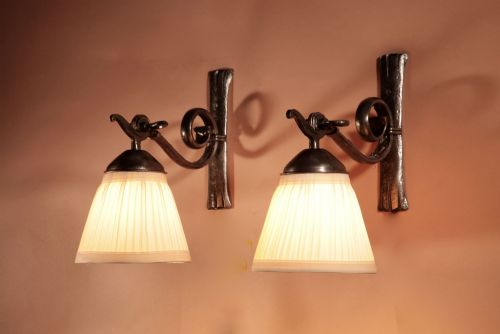
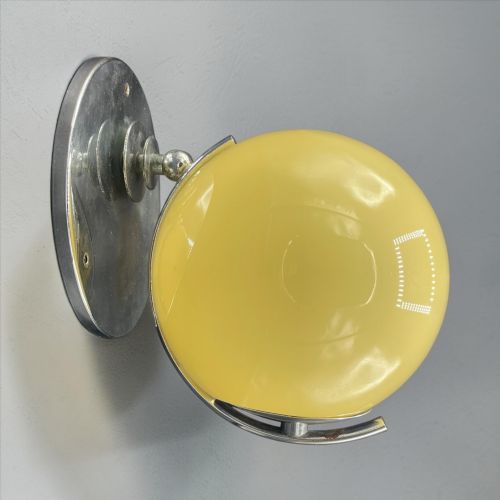
These 1930s art deco sconces bring architectural form and diffused light to a room through striking combinations of chrome and moulded glass.
1930s Art Deco Sconces
When you search for 1930s art deco sconces, you encounter wall lights designed to illuminate interiors with geometric and streamlined elegance. The pieces span wall lights, girandoles, and candlesticks originating from the 1920s through to the 1930s, alongside occasional Edwardian examples.
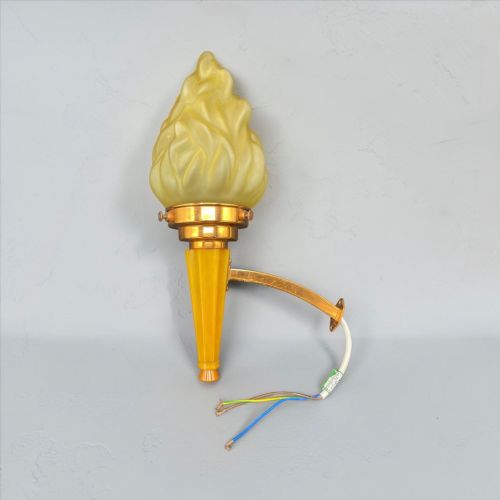
The selection ranges from single fixtures to matched pairs and larger suites intended for principal rooms. Forms draw heavily on organic and industrial motifs, including clam shells, clouds, flames, trumpets, and skyscraper silhouettes.
How they were made
Maker workshops combined polished metal frames with shaped glass to achieve the characteristic sheen of the period. Chrome plating, brass, bronze, and sterling silver provide the metallic structures, while glass elements rely heavily on frosting, moulding, and sometimes Lucite or Bakelite details.
French makers frequently employed specialised glasshouses to produce heavy pressed shades that screwed or clipped directly into metal mounts. Carved wood and mirrored glass also appear in grander wall-mounted girandoles from the era.
Listings feature chrome, brass, bronze, and sterling silver paired with frosted glass, Bakelite, and Lucite.
What varies in quality
The distinction between standard production and exceptional quality rests on the weight of the metal and the purity of the glass. Substantial chrome plating over solid brass or bronze resists pitting, while superior glass shows crisp moulding lines and even diffusion without internal bubbles.
Design ambition separates basic utility pieces from works by notable French houses and makers like Lalique or Baccarat. Matched pairs and larger suites command greater interest than single fixtures due to the difficulty of sourcing identical companions.
Baccarat·Lalique
The 1930s Art Deco Sconces Glossary
- Girandole
- An ornamental bracket wall light featuring multiple branches, often incorporating a mirror backplate to multiply the illumination. These pieces frequently utilise carved wood or silvered frames.
- Bakelite
- An early synthetic plastic utilised for decorative mounts, switches, and contrasting details on electrical fittings. It offers a dense, durable finish characteristic of twentieth-century design.
- Frosted glass
- Glass treated by acid-etching or sandblasting to diffuse light evenly and soften the glow of internal bulbs. This technique highlights the moulded contours of shell and cloud shades.
- Sconce
- A wall-mounted lighting fixture designed to project illumination outward and upward into a space. They appear as single brackets or multi-branch formats.
- Skyscraper style
- An architectural aesthetic translated into decorative lighting through stepped, vertical tiers reminiscent of modern city towers. This form defines many geometric fixtures from the period.
1930s Art Deco Sconces: Frequently Asked Questions
How do I wire 1930s sconces for modern homes?
Most vintage wall lights require rewiring by a qualified electrician to meet current safety standards and regulations. Modern internal lamp holders can usually be fitted discreetly behind the original metal or glass shades.
Original backplates often align with modern UK conduit boxes, but you should check the mounting depth before purchase. Professional conversion preserves the exterior metalwork while ensuring safe operation on domestic circuits.
Are these wall lights suitable for bathrooms?
Period wall lights were not manufactured with modern Ingress Protection ratings for wet environments. Using them in a bathroom requires careful placement away from direct water splashes and consultation with an electrician.
Many buyers choose to install them in hallways, living rooms, and bedrooms where moisture is absent. This placement protects the delicate chrome plating and electrical components from corrosion.
How do I clean chrome and frosted glass?
Wipe chrome components gently with a soft microfibre cloth to remove dust without scratching the plated surface. Avoid abrasive cleaners that strip the protective layer from vintage metalwork.
Wash glass shades in lukewarm water with mild soap, removing them from the metal mount if possible. Dry them thoroughly before reassembly to prevent water spots on the interior surfaces.
Can I find replacement glass shades?
Sourcing exact period replacement shades for broken fixtures presents a significant challenge due to the specific designs involved. Most pieces rely on their original matched glass to retain their visual integrity and value.
Inspect listings carefully to ensure shades are intact and original to the metal mount. Buying matched pairs or suites reduces the risk of mismatched components.