



1930s Art Deco Ceramics
These 1930s art deco ceramics combine bold geometric lines with vibrant glazes, offering collectors an enduring record of interwar design.
1930s Art Deco Ceramics
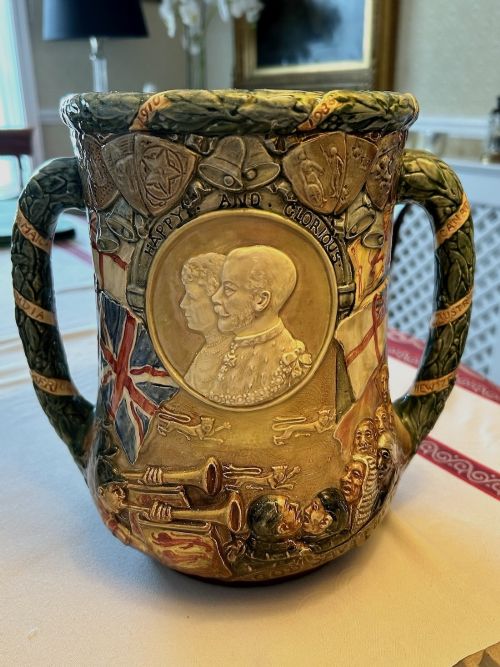
When you search for 1930s art deco ceramics, you encounter a diverse range of objects designed for utility and display during the interwar period. The selection on this page spans utilitarian vessels and ornamental pieces created across Britain, France, Austria, and Germany.
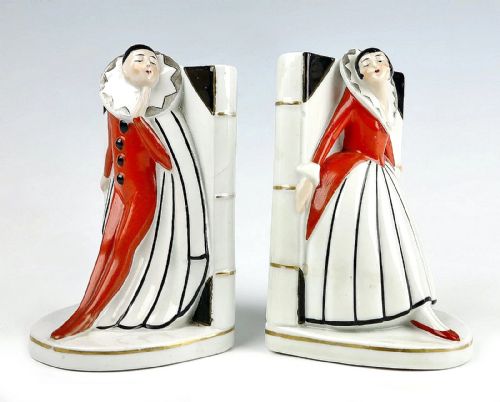
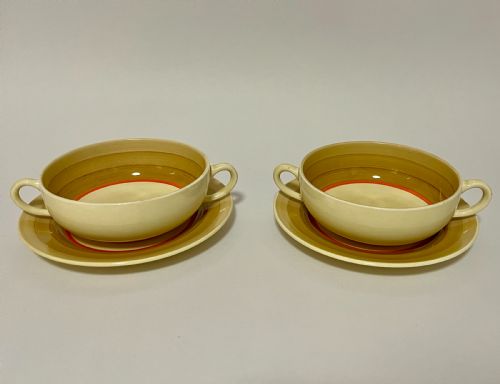
The most common forms you meet include functional tableware such as coffee sets, soup bowls, and decorative chargers alongside domestic ornaments like figurines, bookends, table lamps, and powder boxes. Many of these items reflect the distinct stylistic shift towards streamlined abstraction and stylised figuration characteristic of the era.
Makers from this period utilised various ceramic bodies, ranging from fine porcelain to robust earthenware and terracotta. The overarching aesthetic prioritises clear silhouettes, stylised motifs, and expressive use of colour.
How They Were Made
Potters and manufacturers shaped these pieces using traditional casting, moulding, and throwing techniques before applying specialised glazes. Earthenware and porcelain bodies provided the foundation for hand-painted patterns, coloured glazes, and occasionally gilded highlights.
Many patterned surfaces rely on tubelined decoration, where liquid clay creates raised outlines that separate distinct blocks of colour. Hand-painted designs and sprayed glazes further defined the decorative finishes seen on tableware and decorative chargers from this decade.
Listings feature earthenware, porcelain, and terracotta forms spanning Britain, France, Germany, and Austria.
What Varies in Quality
The distinction between standard commercial output and finer studio work lies in the execution of the design and the complexity of the glazing. Pieces featuring hand-painted patterns or intricate tubelined work generally demonstrate a higher degree of artisan involvement than mass-produced transfers.
Form and finish also dictate the standing of a piece, with crisp moulding on figural subjects and rich, even coloration across glazes marking out superior examples. Attributions to notable designers and specific ceramic houses elevate the status of individual objects within the wider field.
Gilbert Privat·Fasold & Stuach·Clarice Cliff·Charlotte Rhead·Royal Doulton·Royal Dux·Gio Ponti
The 1930s Art Deco Ceramics Glossary
- Tubelined
- A decorative ceramic technique where fine lines of clay are squeezed onto a pottery body to form cells which are then filled with coloured glazes. This method creates a distinct raised outline around painted patterns.
- Bizarre
- A vivid and experimental hand-painted range of earthenware produced by Clarice Cliff featuring geometric patterns and bright colours. It defines much of the bold British ceramic output of the interwar years.
- Wall Masque
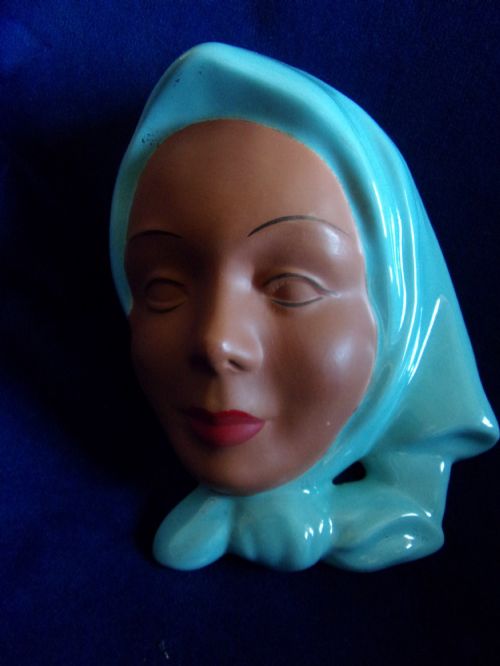
- A ceramic wall-hanging sculpture typically depicting a stylized human face or theatrical mask. These pieces were popular decorative items for domestic interiors during the period.
- Half Doll
- A ceramic upper torso figure without legs, frequently used as a decorative cover for powder boxes, whisk brooms, or perfume bottles. They often depict fashionable flapper figures of the era.
- Charger
- A large decorative plate intended for display on a wall or sideboard rather than for dining use. They often served as primary canvases for bold abstract or floral designs.
1930s Art Deco Ceramics: Frequently Asked Questions
How do I identify a 1930s art deco ceramic?
Look for characteristic geometric forms, stylised floral patterns, and distinct glaze colours typical of the interwar period. Many pieces bear maker marks, pattern names, or registration numbers stamped to the underside.
Design motifs such as abstract sunbursts, angular flapper figures, and streamlined animal shapes further help confirm the era of manufacture.
Were these ceramics used daily or displayed?
Many objects on this page, including coffee sets and bowls, were designed for everyday household utility and dining. Other items like wall masques, figurines, and decorative chargers served purely ornamental purposes in domestic spaces.
Functional items often show wear patterns consistent with practical use, whereas display pieces generally survive in cleaner preservation states.
How should I clean my ceramic pieces?
Dust these items gently with a dry, soft cloth to prevent accumulation in recessed areas and textured surfaces. Avoid abrasive cleaners or soaking pieces with hand-painted or gilded highlights.
Porcelain and glazed earthenware generally tolerate careful cleaning with a damp cloth, provided you dry them thoroughly afterwards.
What materials were commonly used?
Makers of the period utilised porcelain, earthenware, and terracotta as the primary ceramic bodies for their wares. Some sculptural pieces incorporated supplementary elements such as glass eyes or fabric accessories.
Surfaces were then finished with coloured glazes, enamel paints, or metallic highlights to achieve the characteristic aesthetic.