


1920s Style Armchairs
These 1920s style armchairs combine period forms with solid wood frames and comfortable upholstery, offering character and practical seating for any room.
1920s Style Armchairs
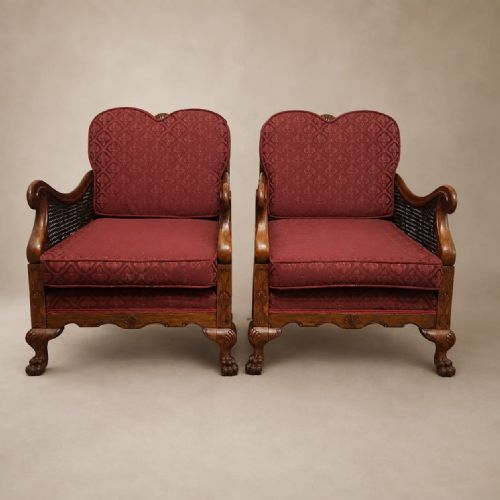
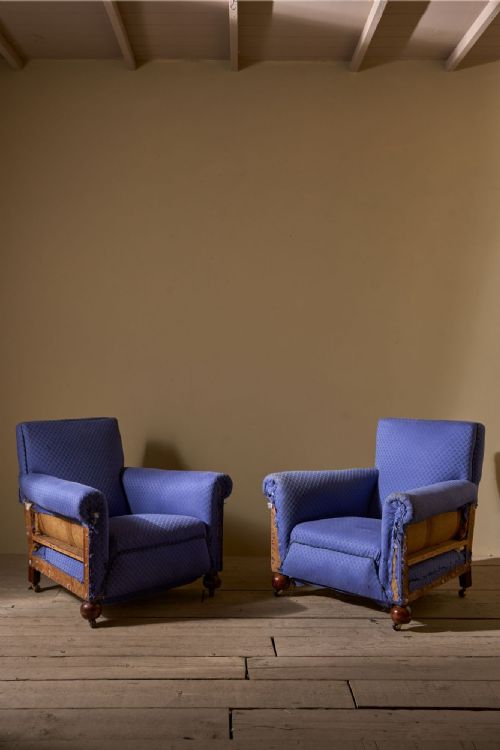
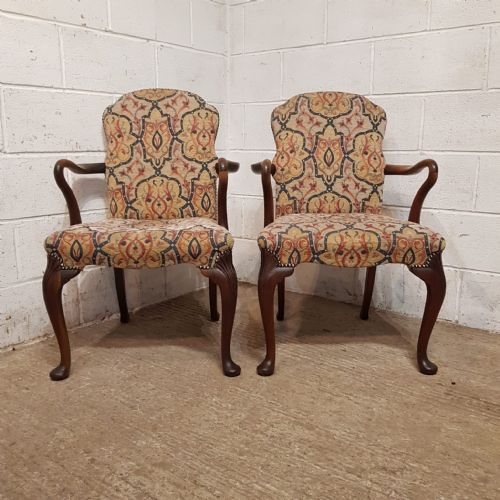
When you search for 1920s style armchairs, you encounter a varied selection of seating created during the early twentieth century alongside pieces drawing inspiration from earlier centuries. The pieces on this page span armchairs, desk chairs, and dining chairs, encompassing both relaxed club seating and formal library designs.
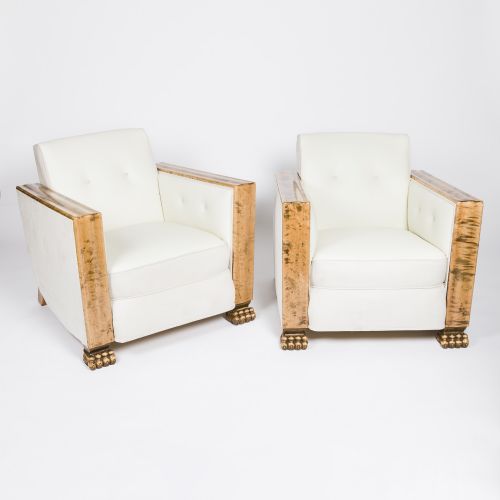
Makers of the period often looked backward to historical aesthetics, resulting in revival pieces that sit alongside distinct Art Deco forms. Walnut, oak, and mahogany frame structures frequently appear, upholstered in leather, velvet, or woven fabric.
You find matching pairs alongside single chairs, offering options for a fireside grouping or a singular reading seat. The construction reflects both English cabinet-making traditions and French stylistic influences from the era.
What varies in quality
The choice of timber underpins the integrity of each piece, with dense hardwoods providing greater longevity and stability than secondary softwoods. Superior frames exhibit clean joinery and robust weight.
The standard of upholstery work and the selection of covering materials dictate the comfort and visual appeal of the finished seat. Original leather and tightly woven velvet represent higher grades of finishing compared to standard fabric.
Listings feature walnut, oak, mahogany, ash, and beech frames, alongside upholstery in leather, velvet, and woven fabric.
The 1920s Style Armchairs Glossary
- Bergere
- An enclosed upholstered armchair with a wooden frame, frequently featuring cane work on the sides and back. This French form gained popularity in various revivals.
- Club chair
- A deep, comfortable armchair traditionally upholstered in leather. The style prioritises relaxed seating and solid proportions.
- Wing armchair
- A high-backed chair with side panels designed to shield the sitter from drafts. These chairs often feature prominent wooden legs and deep cushioning.
- Split cane
- Woven plant material used to create decorative and breathable panels on chair backs and sides. It requires skilled hand weaving to achieve an even tension.
1920s Style Armchairs: Frequently Asked Questions
Are these armchairs comfortable for daily use?
Many of these seating options feature deep sprung upholstery and padded arms designed for relaxation. They provide supportive seating for reading rooms and living spaces.
Heavier club chairs and library seats offer particularly substantial padding, while open-arm styles provide a lighter sit suitable for desks and studies.
How do I identify a 1920s revival chair?
Revival pieces incorporate historical motifs from Queen Anne, Louis styles, or Jacobean periods onto early twentieth-century frames. Examining the timber age and construction methods helps distinguish them from older originals.
The use of walnut or mahogany alongside period hardware points directly to the manufacturing standards of the nineteen-twenties.
What is the difference between club and wing armchairs?
Club chairs present a low, deep profile upholstered completely in leather or fabric with minimal exposed wood. They prioritise casual comfort and solid proportions.
Wing armchairs incorporate high backs with protective side cheeks and typically display more exposed carved wood on the legs and frame.
Can I use these chairs in a modern room?
The diverse range of styles, from geometric Art Deco lines to classic walnut frames, allows these seats to anchor contemporary interiors. Their traditional materials add warmth and texture to minimalist spaces.
Pairing a single statement armchair with modern furnishings creates an effective focal point without overwhelming the room.