




1920s Pedestal Desk
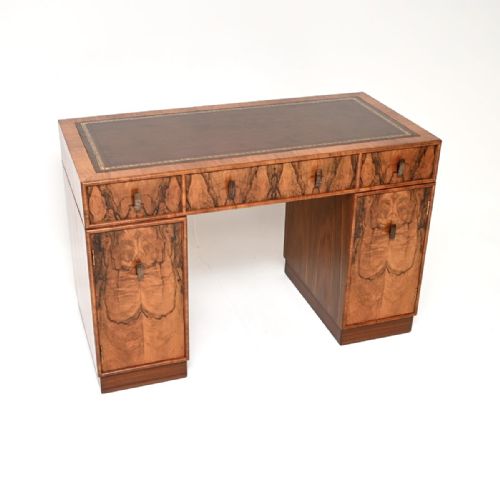
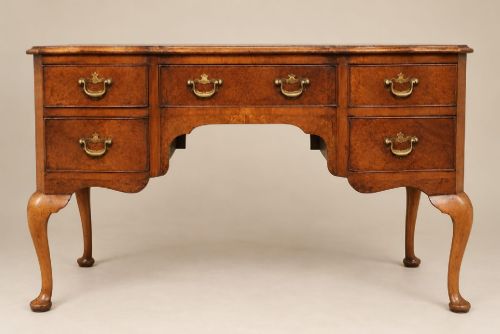
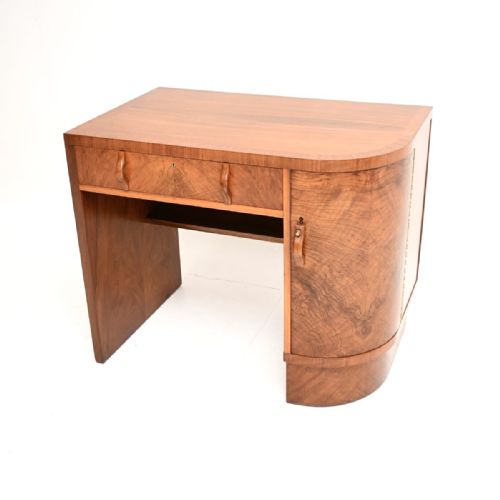
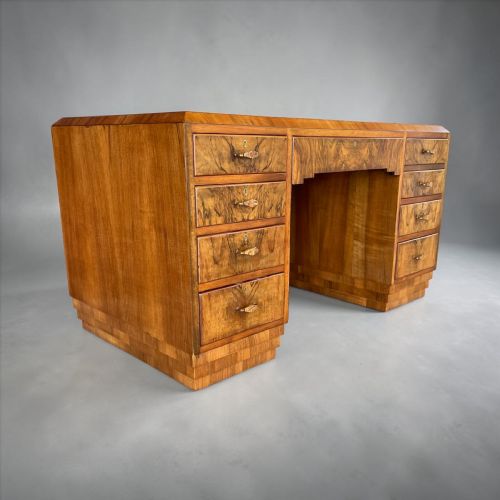
A 1920s pedestal desk gives a room absolute character, offering twin banks of drawers beneath a solid writing surface.
1920s Pedestal Desk
A 1920s pedestal desk is a heavy, substantial piece of furniture designed for serious study or administrative work, featuring two separate pedestals of drawers that support a central writing top. When you search for this phrase, you are looking for twin-pedestal forms that provide generous storage alongside a dedicated work space.
The pieces appearing on this page include solid oak kneehole configurations and three-part naval designs from the interwar period. Alongside traditional timber constructions, you will encounter pieces influenced by the prevailing aesthetics of the era, bringing distinct architectural presence to an interior.
Materials and construction
Makers of the period built these desks primarily using solid oak, mahogany, and walnut, often applying decorative veneers to flat surfaces to showcase natural grain patterns. Brass hardware and leather inserts frequently complete the construction, providing durable working surfaces and functional pulls.
Joinery methods of the time relied on sturdy internal framing to support the weight of twin drawer stacks and heavy tops. These construction techniques ensured the stability required for daily office or study use.
1920s Pedestal Desk Retail Price Guide 2026
Typical asking prices for 1920s pedestal desk among the pieces listed under this phrase on Sellingantiques today, from the lower quarter to the upper quarter. They describe what is for sale here now, not the wider market.
Materials appearing across these listings include solid oak, mahogany, walnut, brass, and leather.
Judging quality in 1920s pedestals
Quality rests in the selection of timber and the precision of the veneer work across the pedestals and top. Desks utilising figured walnut or carefully matched mahogany display a higher grade of craftsmanship than plain utility versions.
The integrity of the original hardware, including brass pulls and fitted leather writing surfaces, separates standard commercial items from superior examples. Better pieces retain their original structural rigidity and smooth drawer operation.
The 1920s Pedestal Desk Glossary
- Pedestal desk
- A freestanding writing table supported by two vertical columns of drawers, one on each side of the user.
- Kneehole
- The central recessed space between the two pedestals where the user sits.
- Veneer
- A thin layer of figured wood applied over a secondary timber base to create decorative patterned surfaces.
- Naval desk
- A modular or multi-part desk designed to be easily dismantled for transport on ships.
1920s Pedestal Desk: Frequently Asked Questions
How do I care for the leather top?
Keep leather writing surfaces clean by dusting them regularly with a soft cloth and avoiding harsh chemical cleaners that strip the finish.
Condition the leather periodically with specialised creams to prevent cracking and maintain its supple texture over years of use.
Are these desks easy to move?
Most pedestal desks are heavy, substantial items constructed from solid hardwoods, meaning they require multiple people to lift and shift safely.
Some specialised forms, such as three-part naval desks, separate into distinct modular sections to make transport and repositioning much simpler.
Where were these desks typically used?
These pieces originally served as functional work furniture in private studies, corporate offices, and shipboard cabins.
Today, they translate easily into modern home offices or studies, serving as grand focal points that provide practical daily storage.
How can I identify a 1920s piece?
Look for characteristic construction methods, timber choices like oak and mahogany, and hardware styles typical of the interwar period.
Compare the overall proportions and decorative details against verified examples from the same decade to confirm the era.