




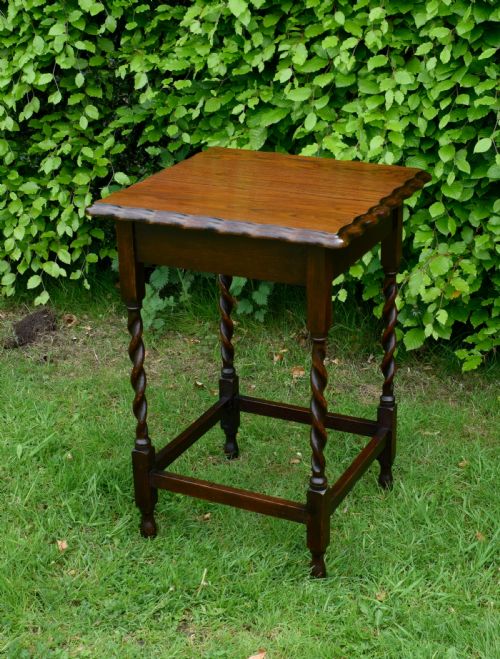


1920s Oak Table Lamp
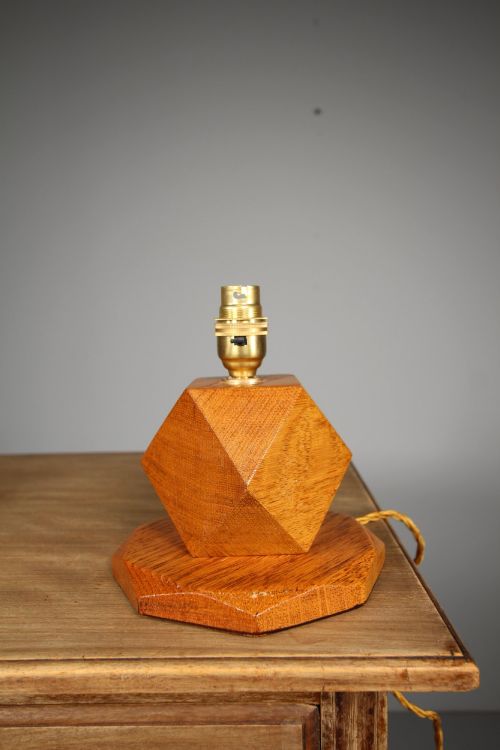
These 1920s oak table lamp examples and related occasional pieces bring solid timber character and period utility straight into a room.
1920s Oak Table Lamp
When searching for a 1920s oak table lamp, buyers encounter various forms spanning solid timber constructions, occasional tables, and specific lighting adaptations from the interwar decades. The evidence shows a strong overlap between dedicated lamp tables and sturdy side tables that serve the same functional placement in a room.
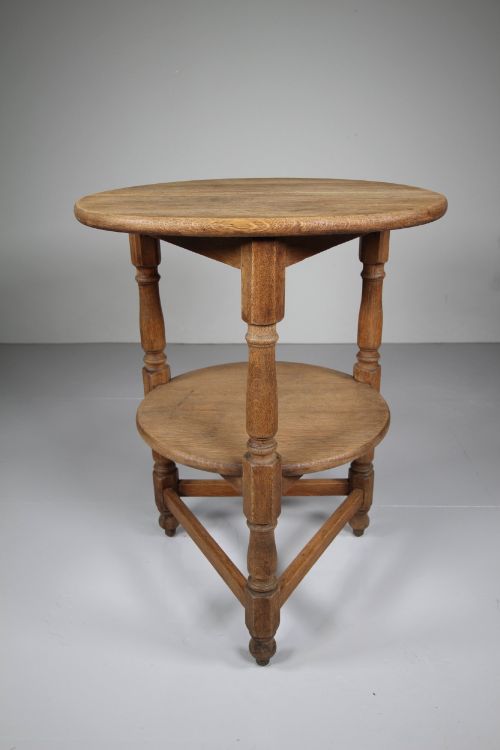
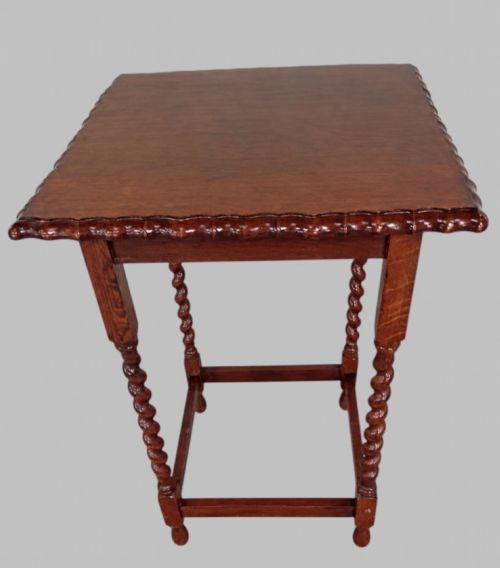
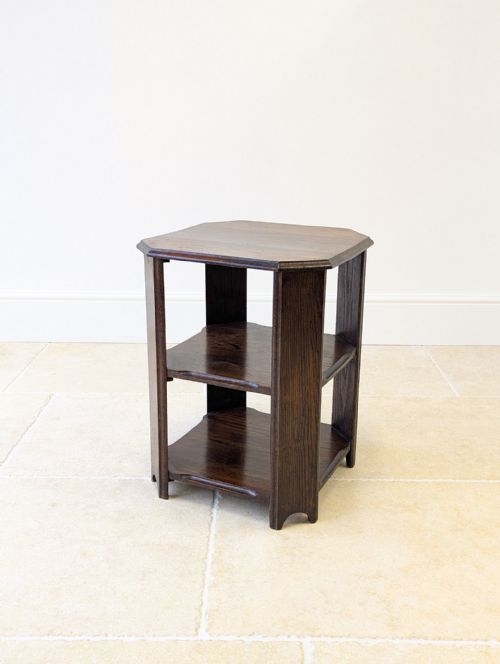
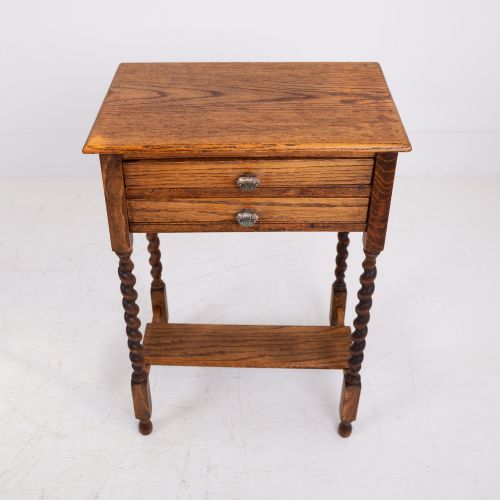
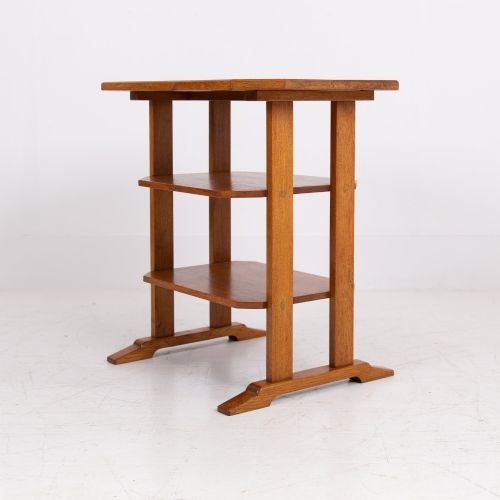
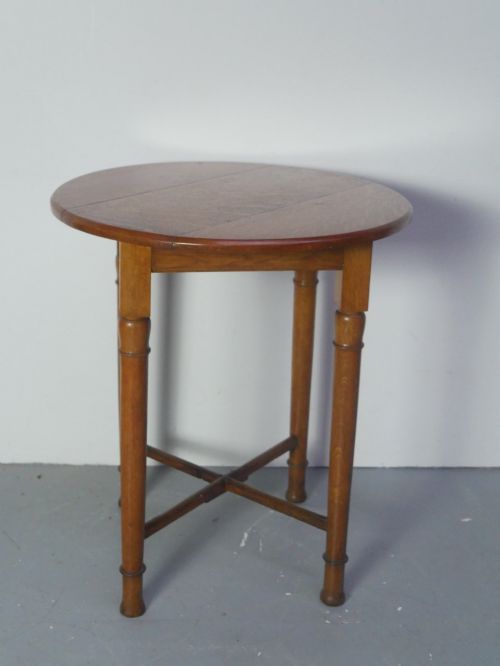
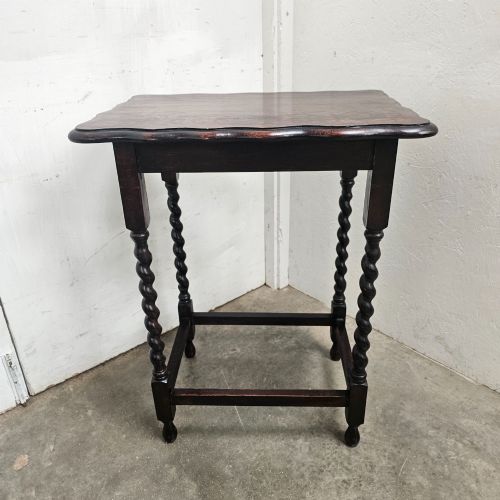
The pieces on this page originate predominantly from the 1920s, alongside adjacent examples from the 1910s and 1930s. Common structural formats include octagonal surfaces, tiered shelving, barley twist legs, and multi-drawer designs created for domestic interiors.
Materials and construction methods
Makers of these items relied heavily on oak, solid oak, and light oak, supplemented by walnut and hardwood accents. Metal and brass components frequently appear in the hardware, structural fittings, and electrical adaptations of the period.
Joinery methods reflect traditional cabinet-making adapted to interwar production, utilising turned elements like barley twists alongside clean geometric lines found in Arts and Crafts and Art Deco interpretations.
1920s Oak Table Lamp Retail Price Guide 2026
Typical asking prices for 1920s oak table lamp among the pieces listed under this phrase on Sellingantiques today, from the lower quarter to the upper quarter. They describe what is for sale here now, not the wider market.
Even a quiet corner table manages to look industrious when topped with a heavy brass lamp.
Distinctions in quality and execution
Superior examples demonstrate careful selection of timber grain, particularly in solid oak surfaces and distinct regional idioms like Cotswold School or Heals pieces. Finer items exhibit precise turning on legs such as barley twists and well-fitted drawers with clean interior construction.
Lesser pieces rely on simpler secondary hardwoods or show heavier modern interventions, particularly where old side tables have been converted into lamp bases with new wiring.
Heals
The 1920s Oak Table Lamp Glossary
- Barley twist
- A type of turning shaped like a spiral rope, frequently seen on table legs from this era. This decorative detail adds vertical movement to standard oak furniture.
- Jacobean Revival
- A style echoing 17th-century English oak furniture, popular during the early twentieth century. It utilises dark finishes, geometric paneling, and robust turned supports.
- Arts and Crafts
- A design movement emphasising handcraftsmanship, simple construction, and visible material honesty. Pieces from this tradition avoid excessive factory ornamentation in favor of honest utility.
- Occasional table
- A small, movable table designed for a specific, intermittent domestic use such as holding a lamp or book. These formats include octagonal, square, and rectangular surfaces.
- Pie crust table
- A small table featuring a raised, carved edge resembling pastry crimping. This decorative rim sits atop a turned pedestal or standard leg configuration.
1920s Oak Table Lamp: Frequently Asked Questions
Are these lamp tables newly wired?
Some listings specify recent rewiring to meet modern safety standards, particularly for pieces sold directly as lamps rather than repurposed side tables. Buyers should check individual descriptions for specific electrical updates.
Original vintage wiring is rarely suitable for continuous daily use without professional safety checks by a qualified electrician.
How do I identify a 1920s oak table?
Look for characteristic construction traits such as solid oak timbers, interwar styling like early Art Deco or Jacobean Revival, and traditional joinery methods. Regional influences such as Cotswold School designs also help date a piece accurately.
Hardware elements like brass drawer pulls and specific patination on the oak surface further confirm the early twentieth-century origin.
Where should I place an octagonal table?
Six-sided or octagonal occasional tables fit well beside armchairs or in corners where square edges might obstruct movement. Their symmetrical multi-sided tops provide convenient surface space for lamps and small decorative objects.
The compact footprint makes them versatile additions to both traditional and interwar interior schemes.
What is the difference between solid oak and veneered oak?
Solid oak furniture utilises thick timber throughout the structure, offering greater durability and the ability to be refinished over generations. Veneered pieces apply a thin layer of oak over a secondary softwood or hardwood core.
Listings specifically distinguishing solid oak highlight the heavier, more substantial construction preferred by quality makers of the period.