



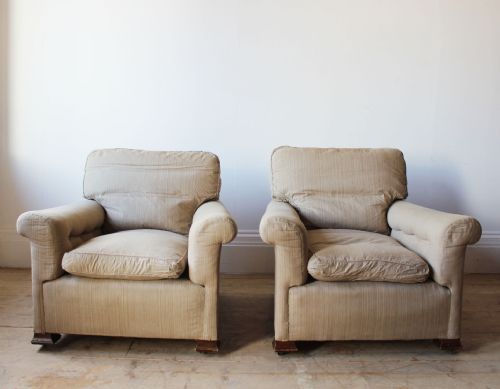
1920s Lounge Chair
A 1920s lounge chair brings serious comfort and distinct period presence into a modern room, anchored by sturdy timber frames and deep upholstery.
1920s Lounge Chair
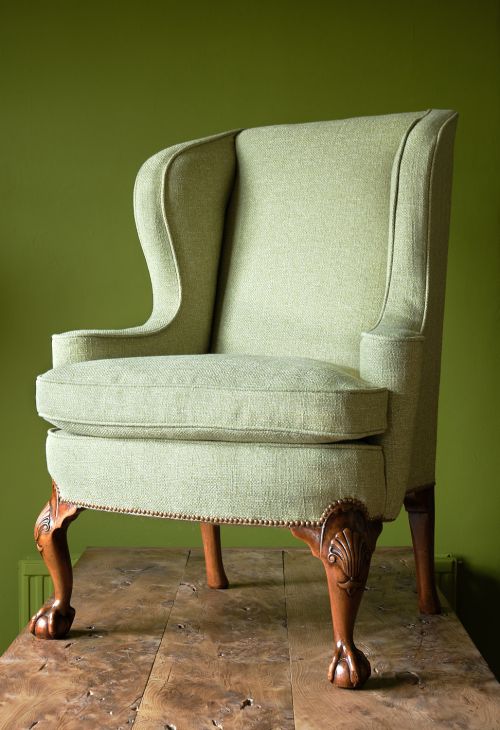
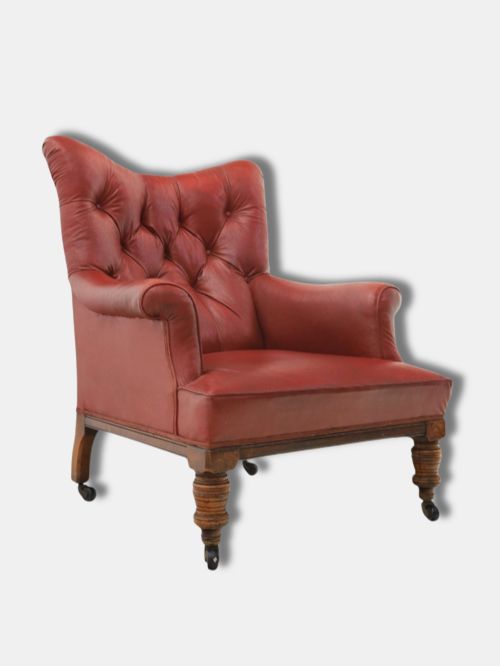
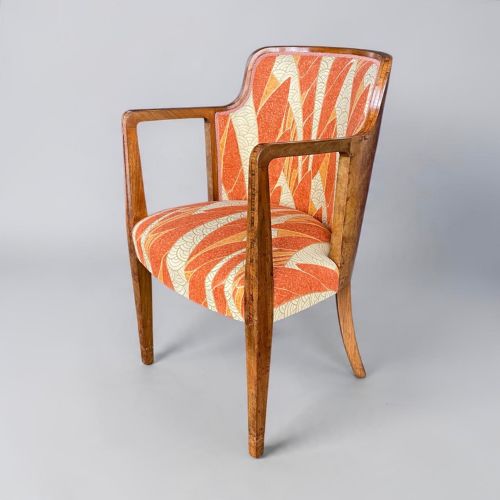
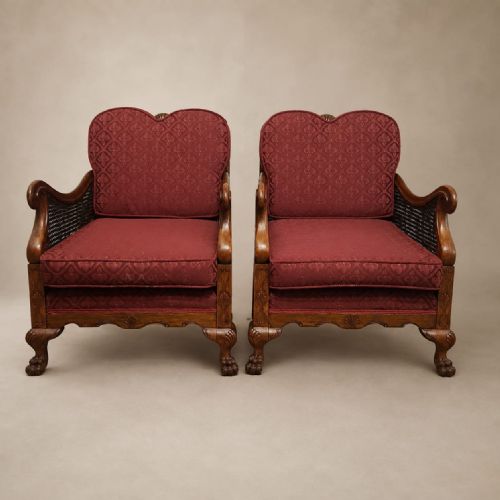
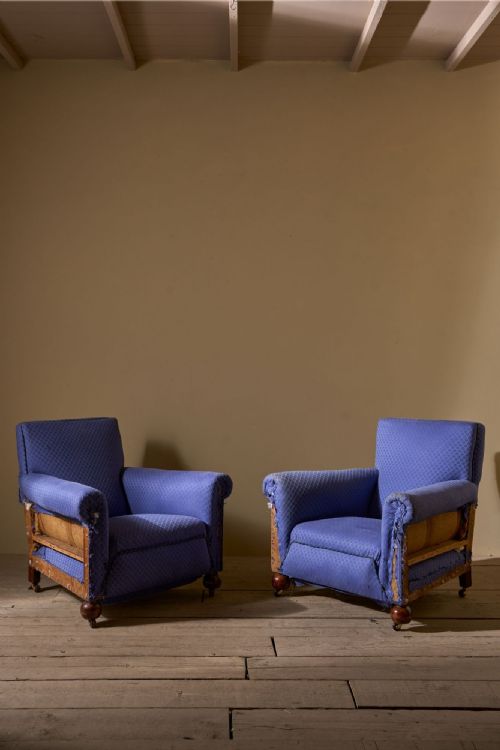
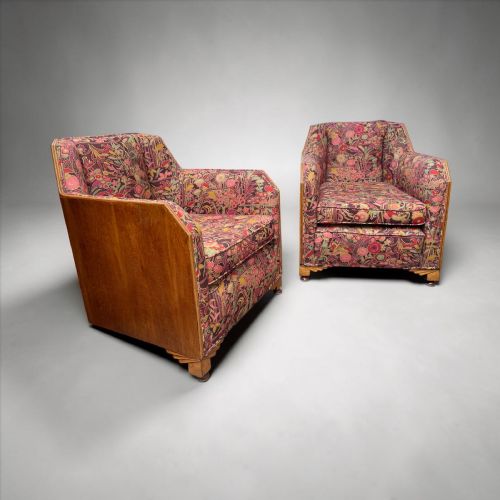
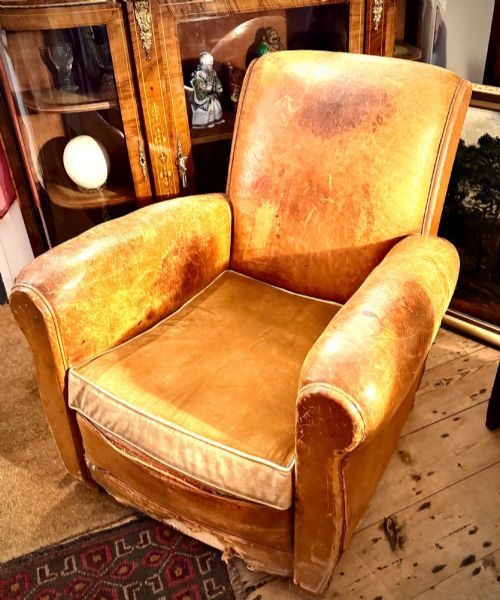
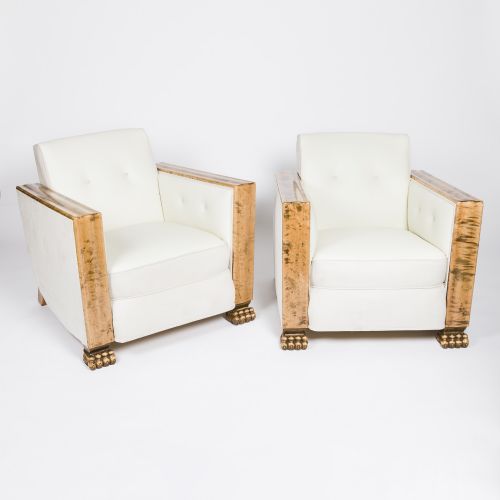
When you search for a 1920s lounge chair, you are looking at seating designed for relaxation, spanning heavy leather club chairs to refined walnut bergere armchairs. The pieces on this page draw from the 1920 and 1930 periods, along with the 19th Century, capturing transitional Edwardian tastes alongside bold Art Deco forms.
Originating from an era that valued both robust comfort and striking lines, these seats suit studies, drawing rooms, and reading corners. Their proportions are generous, inviting you to sit back and experience period seating built for daily use.
Materials and construction
Frames rely on solid hardwoods like walnut, teak, and timber, providing the structural skeleton necessary to support deep seating. Caning and split cane panels appear on select wooden frames, offering texture and breathability.
Upholstery defines the character of these pieces, utilising supple leather, soft velvet, fabric, and ribbed textiles. Metal components occasionally support reclining mechanisms or frame accents, tying the wooden and upholstered elements together.
1920s Lounge Chair Retail Price Guide 2026
Typical asking prices for 1920s lounge chair among the pieces listed under this phrase on Sellingantiques today, from the lower quarter to the upper quarter. They describe what is for sale here now, not the wider market.
Some reclining chairs feature hidden wooden ratchets that let you lean back without ever leaving the room.
Judging quality in period seating
The distinction between ordinary and exceptional chairs rests on the integrity of the frame timber and the handling of the upholstery. Walnut and teak frames with crisp carved details or smooth polished finishes command attention.
Leather quality and stitching execution dictate the longevity and tactile appeal of club chairs. Well-executed reupholstery that respects the original proportions elevates a piece far above utilitarian alternatives.
The 1920s Lounge Chair Glossary
- Bergere
- An enclosed upholstered armchair with wooden frames and cane sides. This style brings a lighter visual weight to period interiors.
- Club chair
- A deep, comfortable armchair traditionally upholstered in leather. These sturdy seats originated in French clubs and smoking rooms.
- Barrel back
- A seating design featuring a semicircular upholstered backrest that wraps around the user. This curved shape offers enclosing comfort.
- Wing armchair
- A high-backed seat with side panels designed to shield the occupant from drafts. The wings extend from the armrests up to the headrest.
- Split cane
- Woven rattan material split for flexibility and used on chair panels. It provides a decorative and airy texture to wooden frames.
1920s Lounge Chair: Frequently Asked Questions
How do I identify a true 1920s lounge chair?
Look for construction markers typical of the period, including timber species like walnut and teak, alongside characteristic Art Deco or Edwardian silhouettes. The combination of traditional joinery and period upholstery styles helps confirm the era.
Examine the weight and profile of the chair, as 1920s designs prioritize solid proportions and specific revival styles such as Queen Anne or French Revival.
Are these chairs comfortable for daily use?
These lounge chairs were originally engineered for relaxation, featuring deep seats and supportive backs. Many examples have undergone professional restoration to ensure internal webbing and padding meet modern comfort standards.
Reclining variants and club chairs offer particularly generous proportions, making them well-suited for regular seating in contemporary living spaces.
How do I care for leather club chairs?
Leather upholstery requires regular conditioning to maintain its suppleness and prevent cracking over time. Keep the leather clean using soft, dry cloths and apply specialised balms periodically.
Position these chairs away from direct heat sources and strong sunlight to preserve the rich tone and texture of the original or restored hide.
What is the difference between Art Deco and Edwardian chairs?
Art Deco chairs showcase streamlined geometric forms, smooth leather surfaces, and bold silhouettes introduced around 1920 and 1930. They lean into modernism and striking visual presence.
Edwardian chairs often reflect earlier revival aesthetics, utilising exposed timber frames, intricate caning, and softer, traditional fabric patterns rooted in the nineteenth century.