




1920s Landscape Oil Painting
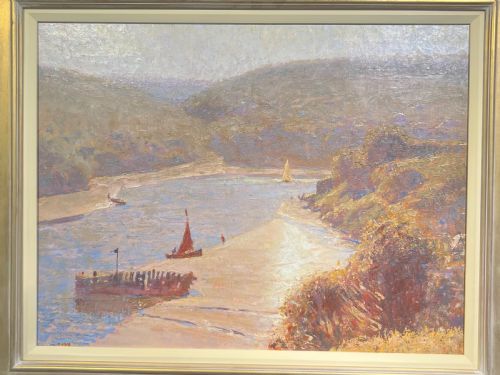
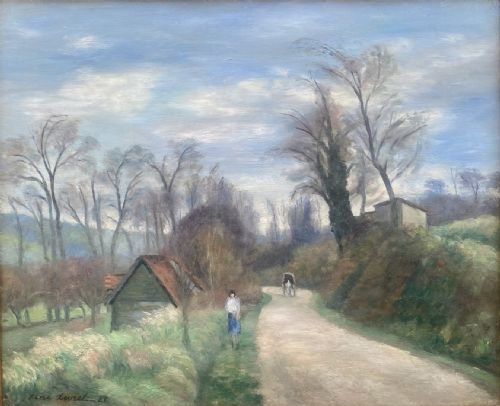
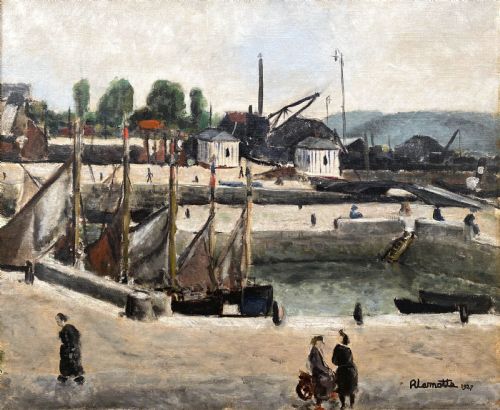
These 1920s landscape oil painting examples capture plein air scenes and rural vistas on canvas and panel, offering an authentic window into interwar art.
1920s Landscape Oil Painting
You are most likely to meet French and British examples influenced by Impressionist, Post-Impressionist, and Fauvist traditions. These pieces range from small cabinet boards depicting quiet rivers to large canvases capturing Mediterranean light.
The subjects span domestic hay wagons, dramatic cliffs in Normandy, quiet Breton harbours, and Venetian waterways. Each composition records the varied approaches artists took to natural light and atmosphere between the wars.
Materials and techniques
Artists of this decade typically applied oil paint onto primed canvas or wooden panels, sometimes utilising gesso as a preparatory layer to seal the support. The application ranges from smooth, traditional realism to energetic, visible brushstrokes characteristic of plein air painting.
Many works incorporate gilt frames that complement the tonal palette of the oils, while others retain simpler wood surrounds. The physical construction relies on standard stretchers for canvas and solid timber panels for smaller board works.
Listings feature canvases and wood panels painted in oil, framed in wood or gilt.
What separates the best examples
The distinction between ordinary and exceptional works rests upon the artist's handling of light, brushwork confidence, and compositional balance. Superior paintings demonstrate a sure command of colour harmony and atmospheric depth rather than mere mechanical recording.
Provenance and documentation also elevate certain pieces, particularly when a signed canvas links directly to a known regional school or an exhibiting artist. The integration of period frames further distinguishes works that have remained intact over the decades.
Cecil Allan Mould RI·Rene Levrel·Raymond Moritz·Louis Suire·Edmond Defonte·Pierre Peltier·Walter J Hall·William J Solby
The 1920s Landscape Oil Painting Glossary
- Gesso
- A traditional paint mixture consisting of a binder mixed with chalk, gypsum, or pigment, used to prepare wood panels or canvases before painting.
- Plein air
- The act of painting outdoors, allowing artists to directly observe the landscape and capture shifting natural light.
- Post-Impressionism
- An art movement extending Impressionism while rejecting its limitations, emphasising symbolic content, heavier brushwork, and distinct forms.
- Fauvism
- A style characterised by strong colours and fierce brushwork over the representational values retained by impressionism.
- Panel
- A flat piece of wood used as a rigid support for oil painting, common in smaller scale works.
1920s Landscape Oil Painting: Frequently Asked Questions
How do I identify a 1920s landscape oil painting?
Look for stylistic markers such as post-impressionist brushwork, modernist compositional choices, and subjects typical of the interwar period. Artists often recorded contemporary scenes, from coastal tourism to rural labour.
Examine the back of the canvas or panel for artist signatures, exhibition labels, and period framing techniques that confirm the age of the piece.
Where were these paintings created?
The works originate from various European art centres, with a strong representation of French and British scenes. Painters travelled to regions like Normandy, Brittany, Provence, and Venice to capture local light.
Regional variations reflect the dominant artistic movements in each country, ranging from Scottish impressionist boards to sun-drenched Mediterranean panels.
What supports do these oil paintings use?
Artists used both woven canvas stretched over wooden frames and solid wood panels. Canvas allowed for larger compositions, while wooden boards suited smaller plein air studies carried outdoors.
Both supports received a preparatory ground layer, such as gesso or lead white priming, before the oil paint was applied.
How should I display a vintage oil painting?
Hang your painting away from direct sunlight and steady heat sources to protect the oil paint and canvas from drying out or warping. Stable indoor humidity prevents the wooden panels and stretcher bars from moving.
Ensure the piece is secured in a suitable frame that supports the edges without placing undue pressure on the canvas or board.