


1920s Impressionist Oil Painting
A 1920s impressionist oil painting captures light and brushwork from the interwar years, offering buyers a tactile connection to early twentieth-century art.
1920s Impressionist Oil Painting
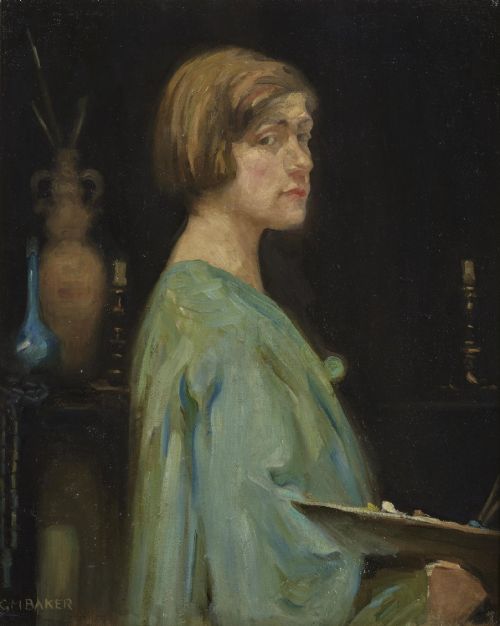
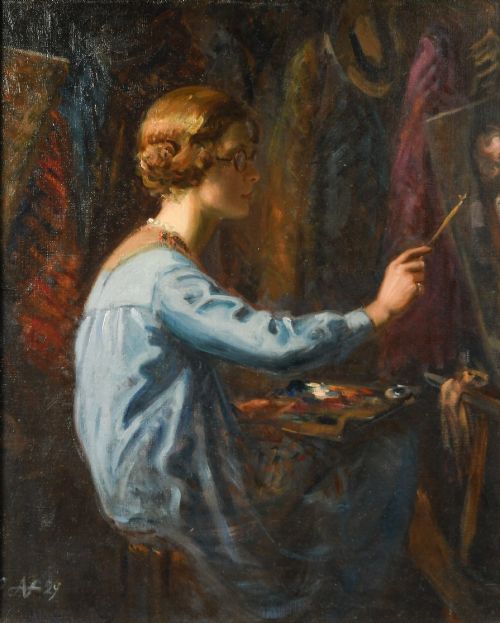
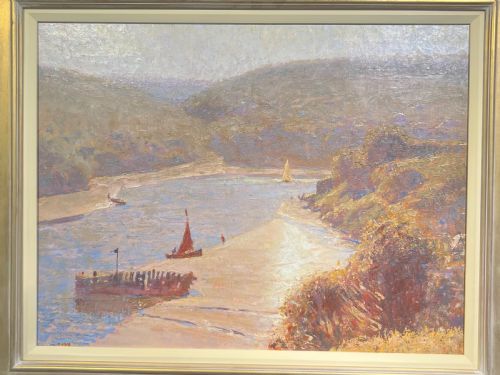
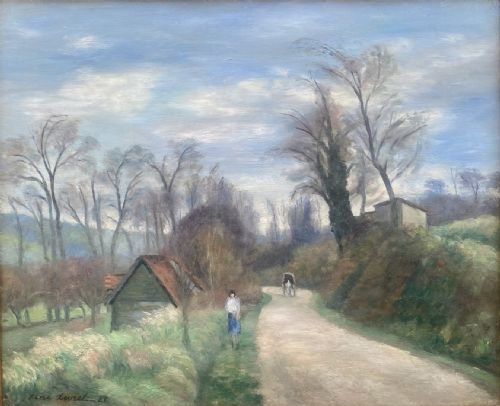
When searching for a 1920s impressionist oil painting, buyers encounter works spanning French impressionism, post-impressionism, and modern British styles. These pieces capture landscapes, coastal scenes, portraits, and still lifes created during a dynamic period of artistic exploration.
The most common examples on this page are French and British works on canvas or board, dated between nineteen twenty and nineteen thirty. Subjects range from Mediterranean seascapes and Breton coastlines to intimate interior scenes and figures.
Collectors find works reflecting regional movements such as Scottish impressionism alongside continental plein air painting. Each piece demonstrates how artists interpreted light and atmosphere in the decade following the First World War.
Materials and techniques
Artists applied oil paint using various brush and knife techniques onto prepared canvas, wooden panel, or board. The physical support often dictates the texture and preservation of the brushwork.
Gilt frames frequently accompany these works, providing a period-appropriate border that enhances the luminous quality of the pigments. Pigments were manipulated to capture fleeting effects of light en plein air or within domestic interiors.
The selection includes British impressionism, French impressionism, post-impressionism, and modern British art styles.
Assessing quality and execution
Quality rests upon the confidence of the brushwork and the artist's handling of light and tone. Strong compositions demonstrate a deliberate command over colour harmony and spatial depth.
The preservation of the paint surface and the integrity of the original support separate superior works from lesser examples. Stronger pieces retain their surface vibrancy without excessive intervention or destabilisation.
Gladys Marguerite Baker·Cecil Allan Mould·Rene Levrel·Raymond Moritz·Louis Suire·Jean Hippolyte Marchand·Edmond Defonte·Pierre Peltier·Walter J Hall·Harry John Pearson
The 1920s Impressionist Oil Painting Glossary
- Plein air
- Painting outdoors to capture natural light and atmospheric conditions directly. This method defined much of the impressionist approach to landscape subjects.
- Post-Impressionism
- An artistic movement following impressionism that extended its use of vivid colours while emphasising geometric forms or expressive brushwork. Painters rejected strict naturalism in favour of personal emotional response.
- Fauve
- A style characterised by wild, vibrant brushwork and non-naturalistic use of colour. Practitioners prioritised painterly qualities and strong colour over representational accuracy.
- Cubist
- An early twentieth-century style that broke subjects down into geometric planes and multiple viewpoints. This approach influenced various modernist still lifes and figurative works.
- Board
- A rigid flat substrate used as a painting support instead of stretched canvas. Artists frequently utilised board for smaller plein air sketches and panel paintings.
1920s Impressionist Oil Painting: Frequently Asked Questions
What defines a 1920s impressionist oil painting?
These works are defined by loose brushwork, an emphasis on light, and subject matter ranging from landscapes to figures. They reflect the continuation of impressionist ideals into the interwar period.
Artists across Britain and France worked on canvas, panel, and board, capturing modern life and natural scenery with varied regional characteristics.
How should I care for an oil painting?
Keep the painting away from direct sunlight, high humidity, and rapid temperature fluctuations. Environmental stability protects the oil paint and its support.
Dust the surface gently with a soft, dry brush and avoid using water or cleaning solvents on the paint layer.
Are these paintings usually framed?
Many pieces retain period frames, such as gilt moulding, which complement the aesthetics of the interwar era. Original or period-appropriate frames enhance the presentation of the artwork.
Framing styles vary from simple wooden profiles to ornate gilded designs depending on the origin of the piece.
How can I tell the period?
Dating relies on stylistic evidence, artist signatures, exhibition records, and materials such as canvas supports and backing boards. Works often bear dates or archival documentation from the decade.
Stylistic markers like post-impressionist brushwork or art deco influences help position the artwork within the nineteen twenties.