




1920s Gold Band Ring
A 1920s gold band ring brings together geometric clarity and enduring precious metals for everyday wear.
1920s Gold Band Ring
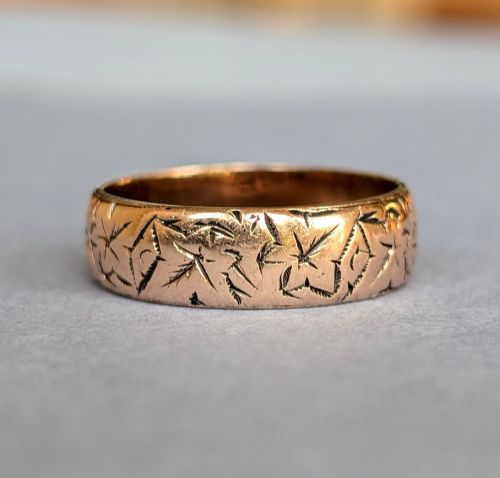
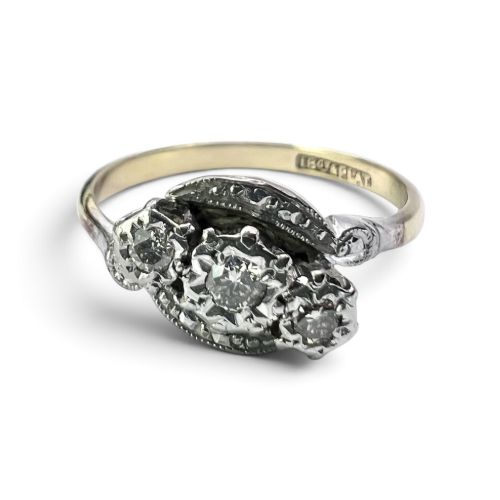
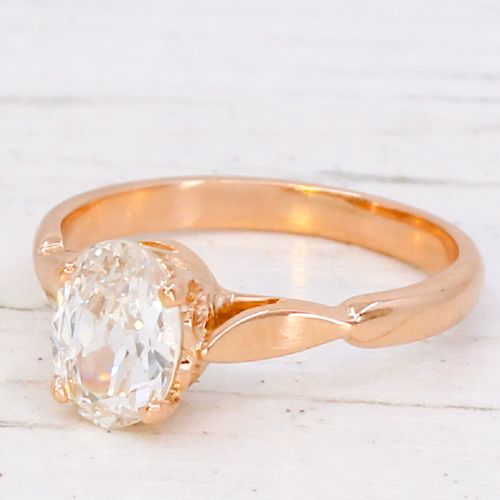
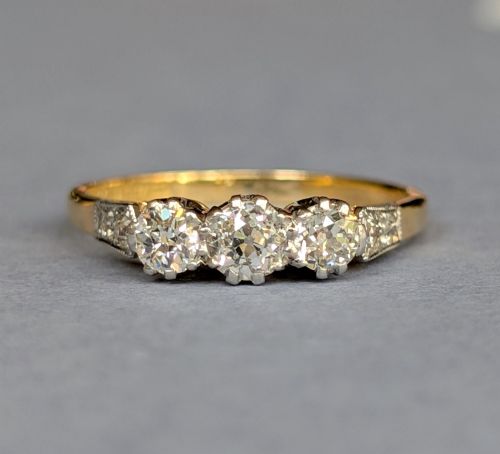
When you search for a 1920s gold band ring, you encounter finger adornments that span plain wedding bands to gem-set engagement rings and dress rings. Many examples incorporate platinum settings alongside yellow gold or white gold to showcase diamonds, sapphires, rubies, and emeralds.
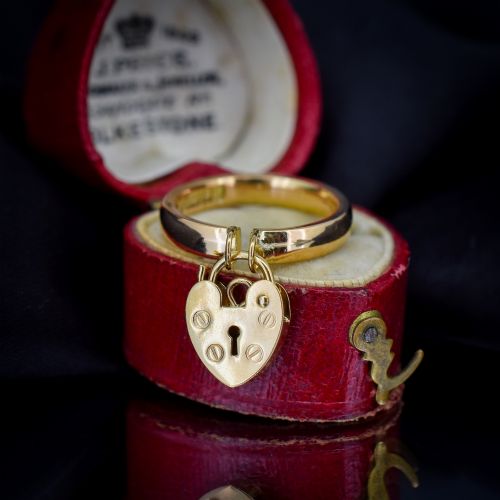
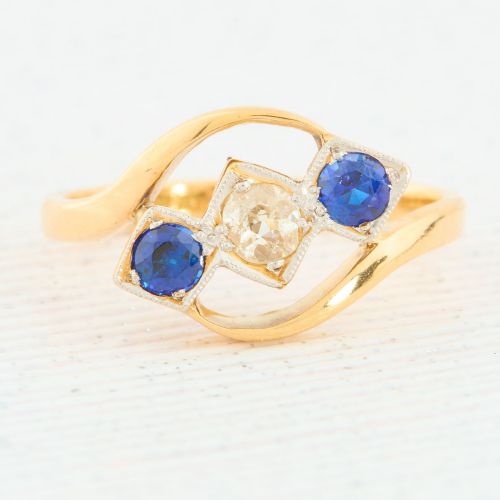
The selections on this page lean heavily into the Art Deco aesthetic alongside Edwardian survivals. You will find simple 9ct rose gold or yellow gold wedding bands, heart padlock drop variations, and complex multi-stone cluster or trilogy configurations.
Origins trace primarily to the 1920s and 1930s periods, capturing an era of distinct geometric design and refined craftsmanship. These items serve both as historical artefacts and functional jewellery suited for modern fingers.
How they were made
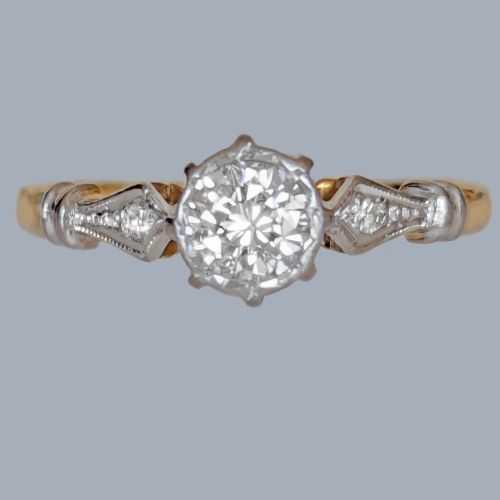
Goldsmiths of this era utilised 18ct yellow gold, 18ct white gold, 14ct yellow gold, and 9ct rose or yellow gold as foundational metals. Platinum frequently accompanied gold to form secure, bright white settings for old cut diamonds.
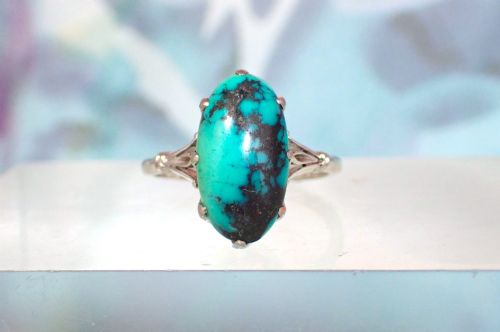
Gemstones including diamonds, sapphires, rubies, emeralds, aquamarines, and turquoise were hand-set using claw, star, or flush techniques. Enamel work also appears on select pieces to add colour contrast to the metal framework.
Listings feature 18ct yellow gold, 18ct white gold, 14ct yellow gold, and 9ct gold alongside platinum.
What varies in quality
The distinction between tiers rests on the precision of the metalwork and the integration of the stones. Finer examples display crisp geometric lines, secure claw or platinum settings, and well-matched old cut diamonds or natural unheated sapphires.
Simpler bands rely on the weight of the gold and the integrity of hallmarks, such as Birmingham assay stamps. Superior artistic conception, seen in detailed cluster or swirl motifs, elevates a piece beyond a standard utilitarian band.
The 1920s Gold Band Ring Glossary
- Art Deco
- A design style characterised by sleek geometric shapes, stylised motifs, and symmetrical lines popular during the 1920s and 1930s.
- Old Cut Diamond
- A vintage diamond cutting style featuring a small table, high crown, and open culet, designed to catch candlelight.
- Trilogy Ring
- A ring featuring three main gemstones, traditionally symbolising the past, present, and future.
- Platinum
- A dense, durable, and naturally white precious metal utilised heavily during the period to securely hold gemstones.
- Solitaire
- A ring setting featuring a single prominent gemstone, usually a diamond.
1920s Gold Band Ring: Frequently Asked Questions
What defines a 1920s gold band ring?
These pieces combine period gold bases, such as 18ct yellow or white gold, with characteristics of the Art Deco or Edwardian eras. They range from plain wedding bands to intricate diamond and sapphire set designs.
Many incorporate platinum settings to accentuate old cut diamonds, reflecting the manufacturing techniques typical of the decade.
How should I care for my ring?
Precious metals and gemstones require gentle cleaning with warm soapy water and a soft brush to remove everyday debris. Avoid harsh chemical cleaners that might damage softer stones like turquoise or emeralds.
Regularly check the claws and platinum settings with a jeweler to ensure the old cut diamonds and coloured gems remain secure.
Can I wear an antique ring daily?
Most gold and platinum rings from this period were built for enduring wear, making them suitable for daily use. However, delicate settings or softer stones like emerald require mindful wear during heavy manual tasks.
Selecting a sturdy 18ct gold or platinum band provides greater resilience for continuous everyday enjoyment.
How do I identify the period?
Period identification relies on stylistic cues like geometric Art Deco motifs, combined with hallmarks indicating the year of manufacture. Materials such as platinum-topped gold provide strong chronological markers.
Consulting the specific details listed for each piece helps clarify whether an item originates from the 1920s or adjacent decades.