


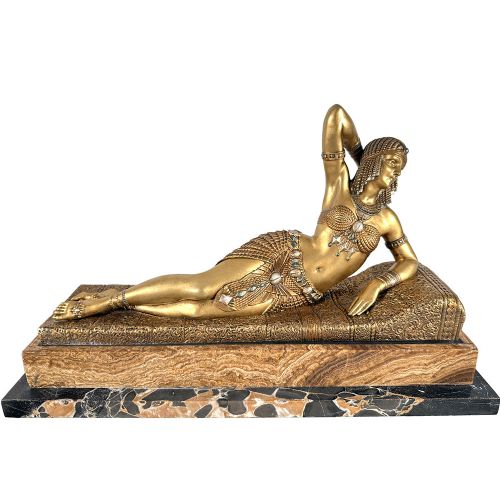

1920s Female Bronze
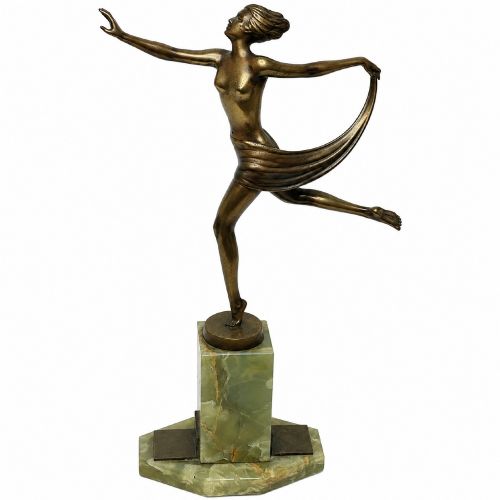
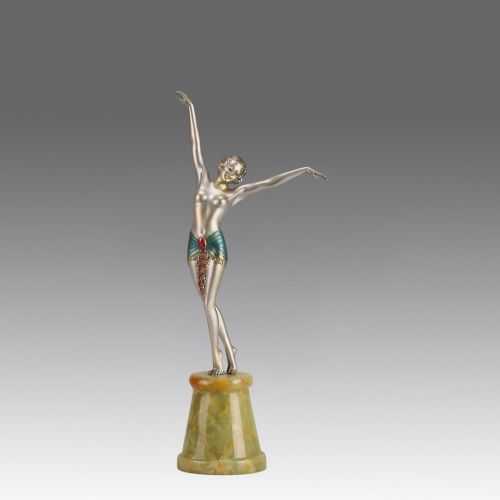
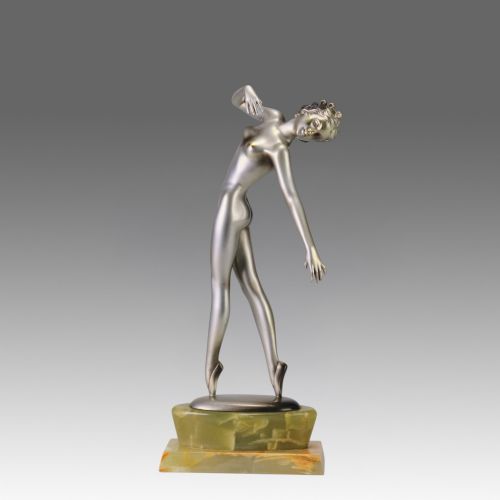
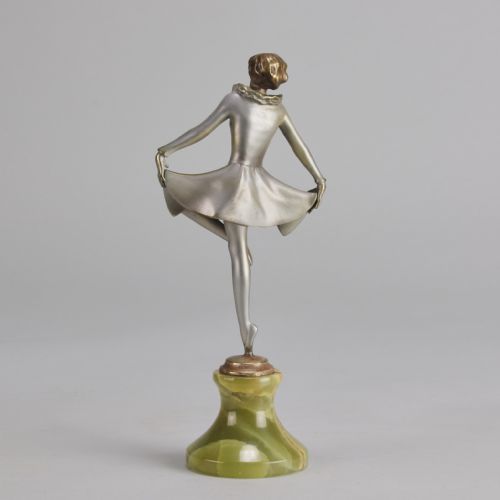
These 1920s female bronze sculptures capture the kinetic grace of the interwar years, offering collectors iconic dancer and nude figures.
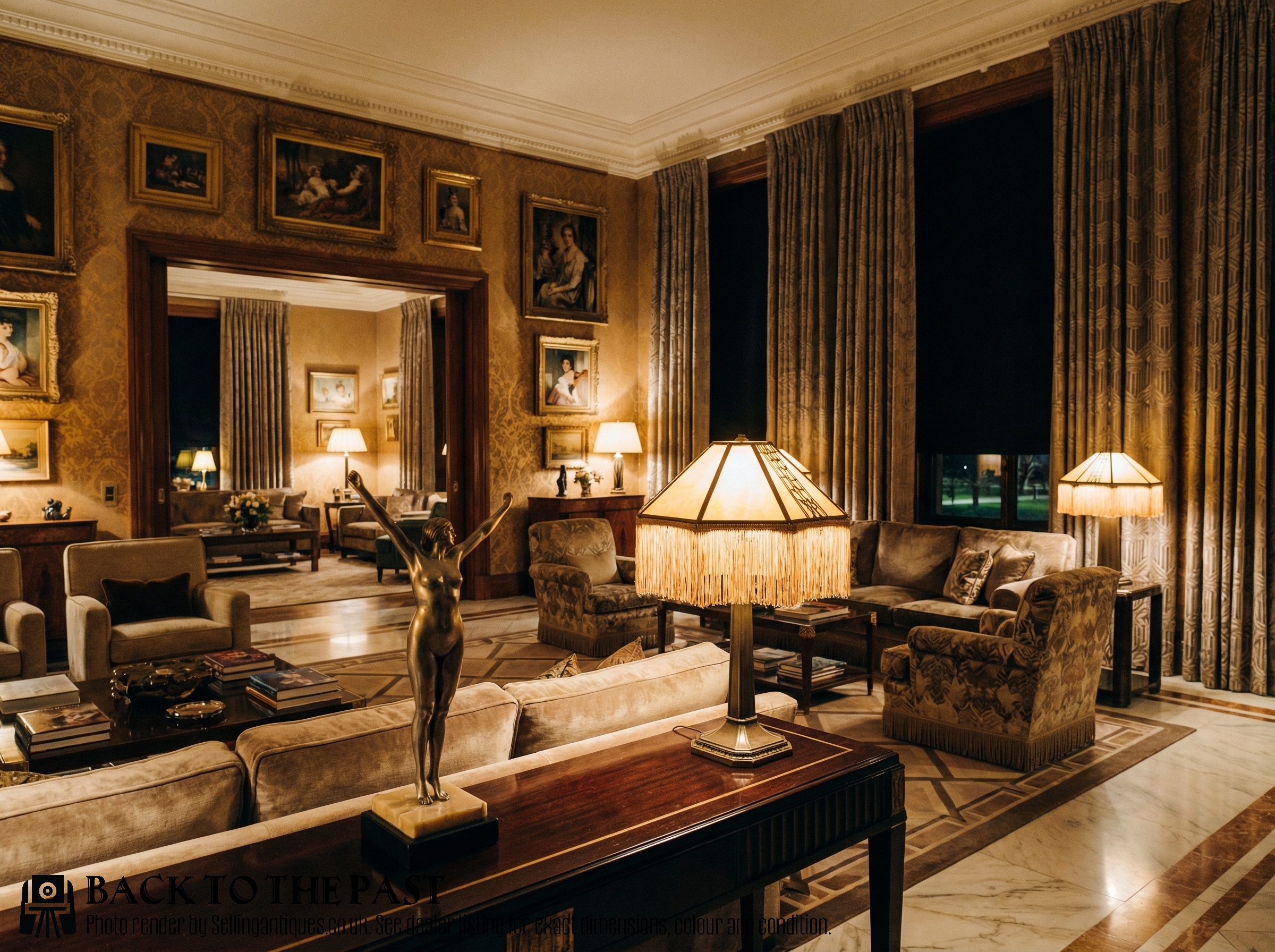
1920s Female Bronze
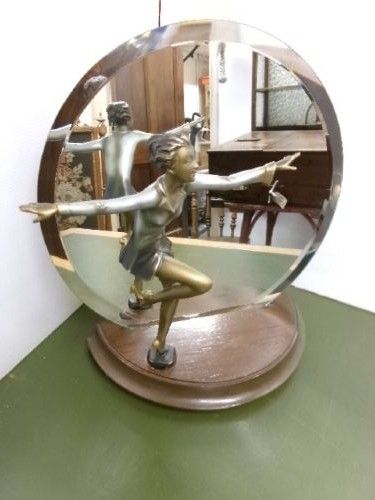
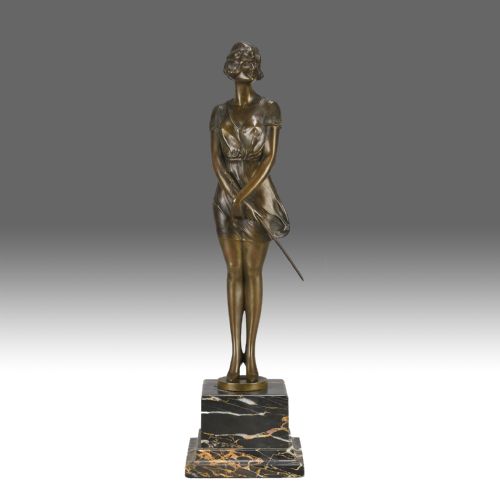
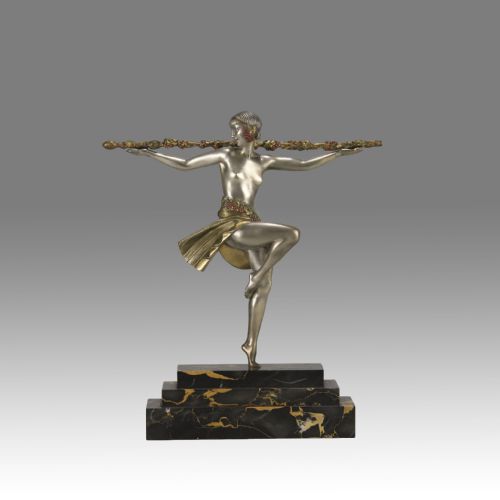
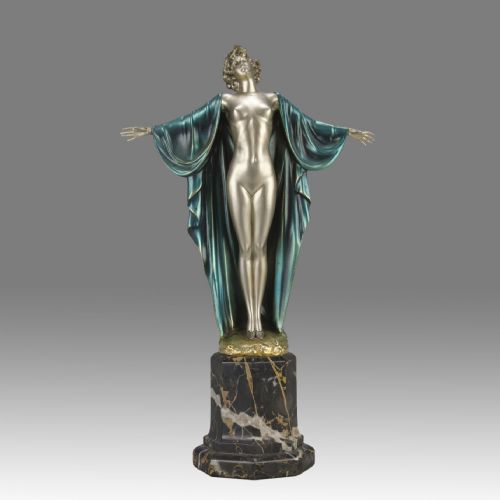
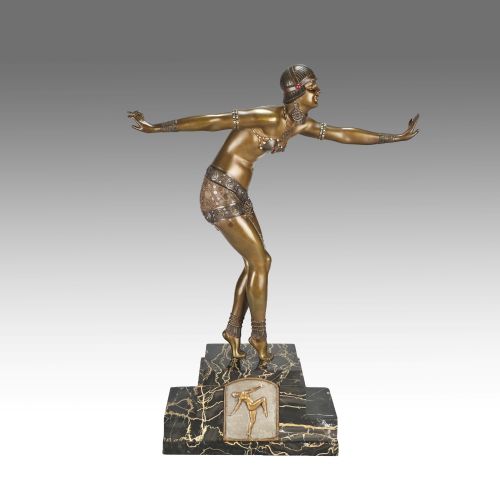
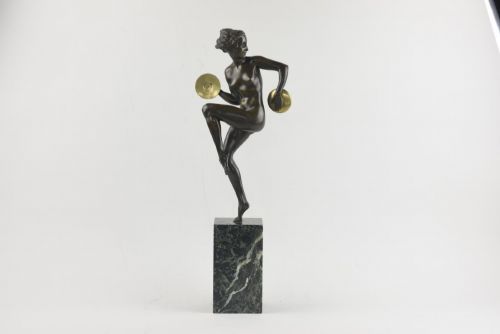
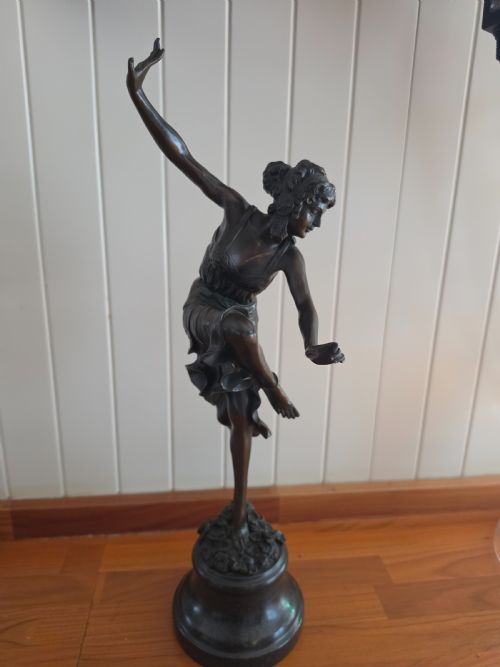
When you examine 1920s female bronze works, you encounter sculptures, statuettes, and table lamps predominantly shaped by the Art Deco movement. The pieces frequently depict dancers, ballerinas, and female nudes caught in motion, reflecting the liberated spirit of the era.
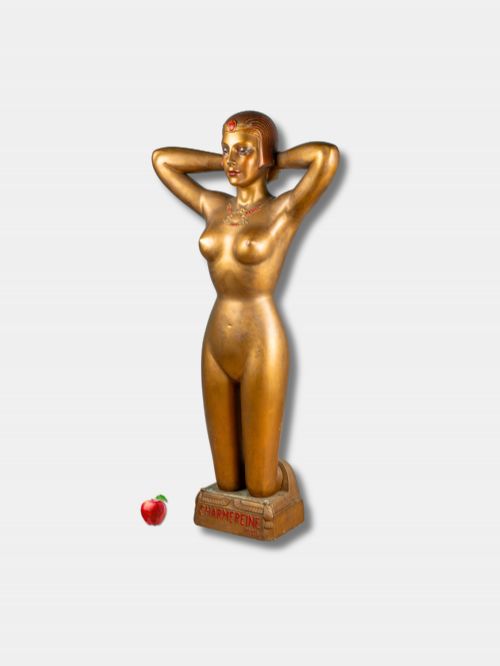
You will most commonly meet figures mounted on heavy bases of marble or onyx. The subjects range from specific named characters like Cleopatra and Maria Jeritza to anonymous dancers and advertising mannequins.
The objects extend beyond freestanding figures into functional items such as table lamps and car mascots. Their origins trace primarily to continental European workshops, particularly French and Austrian foundries.
What varies in quality
The fidelity and sharpness of the casting define the upper tier of these sculptures. Finer pieces retain crisp details in the facial expressions, drapery folds, and fingers without softness in the metal.
The application of cold-paint or gilt surfaces alters the desirability of a piece. Original, well-preserved paint layers or rich patination distinguish superior studio work from later touching up.
The quality of the mount matters equally, seen in the selection and polished finish of the marble or onyx bases. Well-proportioned plinths complement the dynamic balance of the dancer figures.
One piece immortalises the frog prince in metal.
Bruno Zach·Pierre le Faguays·Ferdinand Preiss·Josef Lorenzl·Demetre Chiparus·Aurore Onu·C J R Colinet·Zoldan Kovats·Maurice Guiraud Riviere·Paul Philippe·Rene Andre Varnier·Paul de Boulogne
The 1920s Female Bronze Glossary
- Chryselephantine
- A term describing statues made from a combination of bronze and ivory. This technique highlights the flesh tones of the female figures against the metallic garments.
- Cold-painted
- A method where paint is applied to cold bronze without subsequent firing. This results in delicate surface polychromy found on many dancer figures.
- Patination
- The chemical treatment or natural ageing process that colours the surface of bronze. It creates deep brown, green, or black tones across the metal.
- Spelter
- A zinc alloy frequently utilised as a less expensive alternative to bronze during the period. It often received painted or metallic finishes to imitate heavier bronze.
- Lost-wax casting
- A sculptural method where a wax model is melted from a mould and replaced with molten metal. This process permits intricate undercut details in dynamic figures.
1920s Female Bronze: Frequently Asked Questions
What materials make up these pieces?
Sculptors utilised bronze, silvered bronze, and patinated metal alongside cold paint and gilt highlights. Bases were turned from heavy contrasting stone such as marble and onyx.
Selected works also incorporated carved ivory for flesh portions in chryselephantine combinations.
How do I display a bronze figure?
Place the sculpture on a sturdy, level surface away from direct heat sources and strong sunlight. Marble and onyx bases provide natural stability for slender, dynamic dancer poses.
Ensure adequate clearance around the piece so the outstretched arms and extended limbs can be viewed without obstruction.
Were these figures used as lamps?
Foundries adapted several female bronze designs to serve as functional table lamps and desk lamps. These illuminated sculptures integrated light fittings alongside the metal figures.
Artists also produced smaller versions specifically for use as automotive car mascots.
How do I distinguish Art Deco from Art Nouveau?
Art Deco forms rely on sharp lines, stylised geometry, and aerodynamic movement reflecting the interwar machine age. The 1920s female bronze pieces on this page lean heavily into these angular rhythms.
Art Nouveau pieces instead favour flowing, organic plant motifs and undulating asymmetrical curves.