



1920s Dress Pin
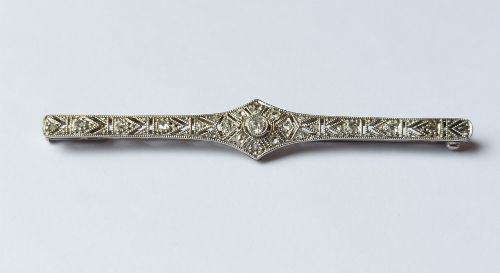
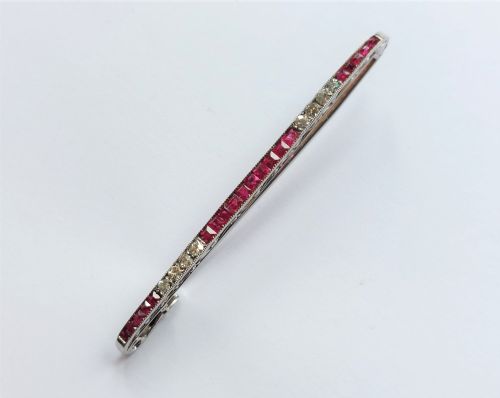
A 1920s dress pin brings the geometric geometry and sharp elegance of the period directly to a lapel or fastening.
1920s Dress Pin
When searching for a 1920s dress pin, buyers encounter varied items such as bar brooches, cape clips, and hat pin holders from the Edwardian and Art Deco eras. These pieces served practical and decorative functions on period garments, securing fabrics while displaying sophisticated design work.
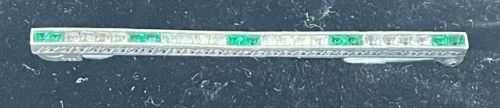
The selections span from silver and paste combinations to substantial platinum settings mounted with old-cut diamonds and rubies. Art Deco aesthetics dominate the offerings, bringing crisp lines and symmetrical arrangements to daily wear.
Beyond personal adornment, related items like ceramic or alabaster hat pin holders occasionally appear alongside wearable brooches. These diverse forms reflect the broader material culture of the nineteen-twenties and nineteen-thirties.
Materials and construction methods
Metals such as platinum, 18ct gold, 18kt white gold, and silver form the foundational structures for these jewels. Platinum provides the strength required for delicate, intricate openwork settings without adding excessive weight.
Gems including diamonds, rubies, onyx, rock crystal quartz, chrysoprase, and pink pearl are set into the metal frameworks. Glass, paste, and faux emeralds appear in alternative pieces, offering high visual impact through different compositional means.
The inventory includes items from the Edwardian period, 1920, and 1930, spanning Art Deco, George V, and Sknvirke styles.
Quality factors in period pieces
The tier of a piece depends on the choice of precious materials and the complexity of the metalworking. Platinum mountings set with substantial old-cut diamonds represent the upper end of the spectrum compared to silver-plated and glass alternatives.
Fine craftsmanship shows in the precision of the stone setting and the balance of geometric motifs. Superior examples maintain crisp structural integrity and refined finishes across every visible surface.
Crisford and Norris
The 1920s Dress Pin Glossary
- Art Deco
- A design style characterised by sleek geometric shapes, stylised motifs, and streamlined forms. It flourished internationally during the nineteen-twenties and nineteen-thirties.
- Bar Brooch
- A narrow, elongated brooch pin often worn horizontally on lapels or fastenings. These pieces frequently feature central stone clusters or symmetrical gemstone accents.
- Old Cut
- A historic diamond facet arrangement predecessor to modern brilliant cuts. These stones display smaller tables and deeper pavilions that catch candlelight effectively.
- Paste
- Faceted glass used as a substitute for gemstones in period jewellery. High-grade paste components are hand-cut and individually set into metal mounts.
1920s Dress Pin: Frequently Asked Questions
How do I wear a 1920s dress pin?
These pieces secure lapels, scarves, and structured fabrics in the manner of traditional brooches. Their pin mechanisms fasten firmly behind the decorative face.
Heavier platinum and diamond versions require sturdy textiles like wool or heavy silk to support their weight properly throughout the day.
What metals were used for these pins?
Makers utilised platinum, 18ct gold, 18kt white gold, and silver for the primary mountings. Platinum gained favour for its durability in fine diamond settings.
Alternative pieces employ silver plating or base metals paired with glass or paste elements for decorative effect.
How do I identify an Art Deco pin?
Art Deco pieces display distinct geometric patterns, symmetry, and stylised motifs derived from the architecture and design of the period. Platinum and white metals predominate in these settings.
Accompanying stones often include calibre-cut onyx, rubies, and rock crystal arranged in sharp, linear formations.
What is a hat pin holder?
Hat pin holders are upright ceramic, silver, or alabaster vessels designed to store long hat pins when not in use. They sat on dressing tables as functional ornaments.
Examples take sculptural forms, including figures and floral motifs reflective of nineteen-twenties design tastes.