



1920s Diamond Solitaire Ring
A 1920s diamond solitaire ring brings singular geometric focus to the hand through period craftsmanship that collectors prize.
1920s Diamond Solitaire Ring
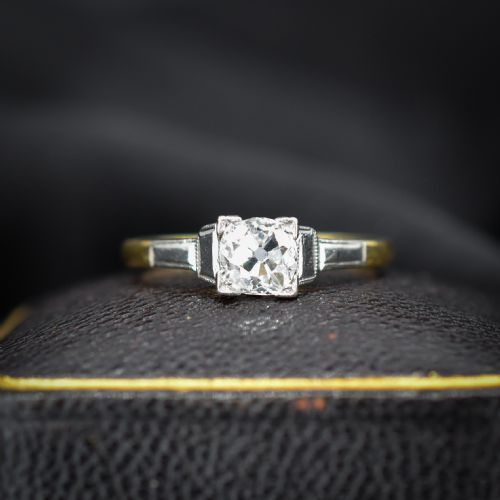
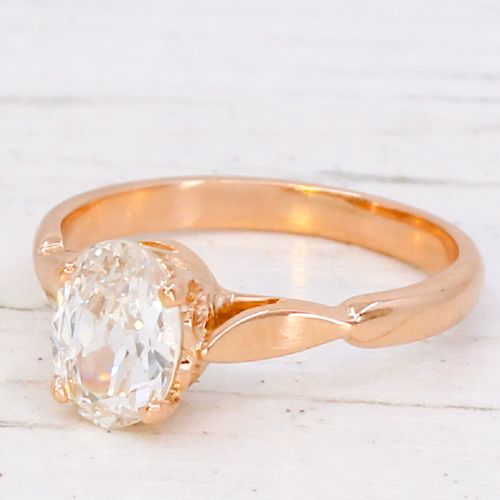
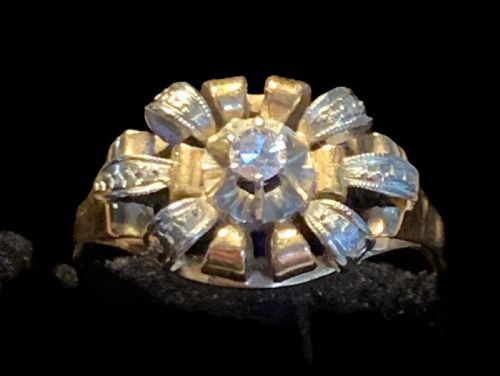
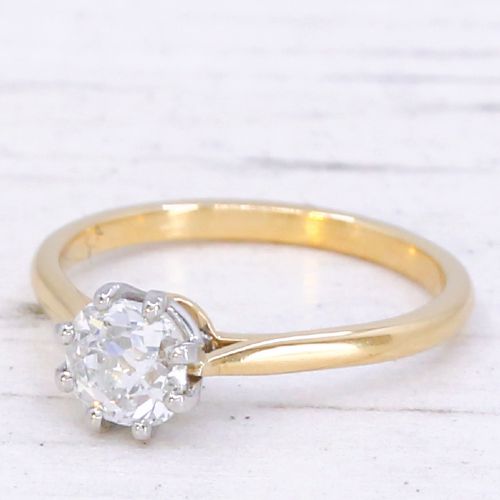
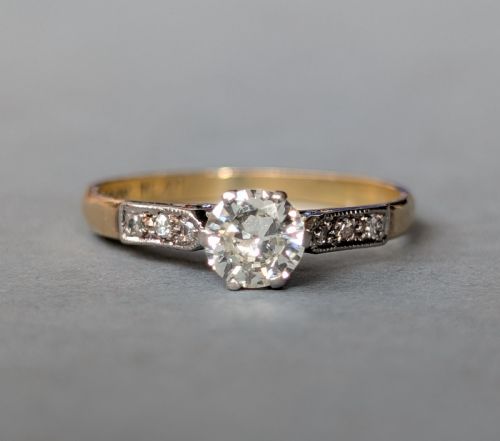
A 1920s diamond solitaire ring showcases a single central stone set within the distinct geometric aesthetic of the Art Deco period. These pieces originate primarily from the 1920 and 1930 decades, capturing an era defined by clean lines and architectural influence.
The most common forms on this page pair a central diamond with precious metal settings. Engagement rings dominate the selection, combining traditional symbolism with the bold design vocabulary of the early twentieth century.
Makers of the period favoured platinum and gold combinations to structure the mountings. Pieces vary from delicate low-profile bands to substantial diamond weights exceeding one carat.
Materials and construction methods
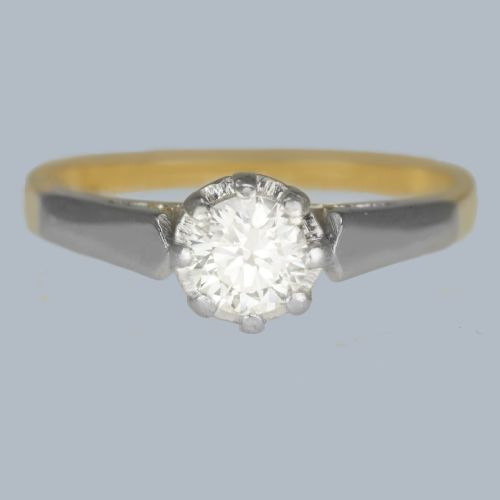
Metals recorded in the evidence include platinum, white gold, 18ct gold, and 18ct yellow gold. Platinum frequently provides the strong, bright prongs needed to secure stones while maintaining a delicate visual weight.
Stones exhibit historic cutting styles such as transitional cuts, cushion cuts, and old mine cuts. These hand-faceted diamonds interact with ambient light differently than modern brilliant cuts, displaying broader flash patterns.
1920s Diamond Solitaire Ring Retail Price Guide 2026
Typical asking prices for 1920s diamond solitaire ring among the pieces listed under this phrase on Sellingantiques today, from the lower quarter to the upper quarter. They describe what is for sale here now, not the wider market.
French workshops occasionally added a tiny sapphire accent just to keep everyone guessing.
Distinguishing quality across the range
Quality differences rest in the integration of metalwork and stone proportion. Superior examples demonstrate precise platinum claw work that holds the diamond securely without overwhelming its silhouette.
The weight and cut of the central diamond drive the character of each piece. Larger carat weights combined with early cut styles elevate the visual presence of the ring.
The 1920s Diamond Solitaire Ring Glossary
- Old mine cut
- An earlier hand-cut diamond shape characterised by a nearly square girdle, high crown, and deep pavilion. This cut reflects candlelight and softer illumination sources.
- Platinum
- A dense, durable precious metal favoured in Art Deco jewellery for its strength in secure settings. Its natural white colour does not fade or require plating.
- Solitaire
- A jewellery setting designed to feature a single gemstone, typically a diamond. This arrangement concentrates visual attention entirely on the central stone.
1920s Diamond Solitaire Ring: Frequently Asked Questions
What defines a 1920s diamond solitaire ring?
These rings feature a single central diamond set within Art Deco mountings made of platinum and gold. The style reflects the geometric design principles popular during the 1920 and 1930 periods.
Craftsmanship from this era often combines platinum tops with gold shanks. This construction method provided both structural security for the stone and a warm contrast in the metal.
How do period diamond cuts differ from modern ones?
Diamonds from this era utilise historic cuts like transitional, cushion, and old mine cuts. These were shaped by hand rather than by automated laser machinery.
As a result, the facets are often wider and deeper. This historical facet arrangement produces a distinctive pattern of light return under lower light conditions.
What metals are typically used in these rings?
The evidence shows combinations of platinum, white gold, 18ct gold, and 18ct yellow gold. Platinum was particularly favoured for securing diamonds due to its exceptional tensile strength.
Jewellery makers often mounted stones in platinum while using yellow or white gold for the band. This technique maximised both durability and aesthetic contrast.
Were these pieces originally engagement rings?
Many of the pieces recorded in the evidence are identified as vintage engagement rings. Their single-stone design made them the standard choice for proposals during the early twentieth century.
Beyond engagement use, single-stone rings were also worn as fashion or commemorative jewellery. Their versatile proportions suit continuous daily wear.
How can I tell a 1920s ring from a later piece?
Dating relies on the structural characteristics, metal combinations, and specific diamond cutting styles recorded in the evidence. Art Deco geometry and the use of transitional or old mine cuts point directly to the period.
Examining the underside of the setting and the integration of platinum with 18ct gold further reveals the hand-manufacturing techniques of the era.