


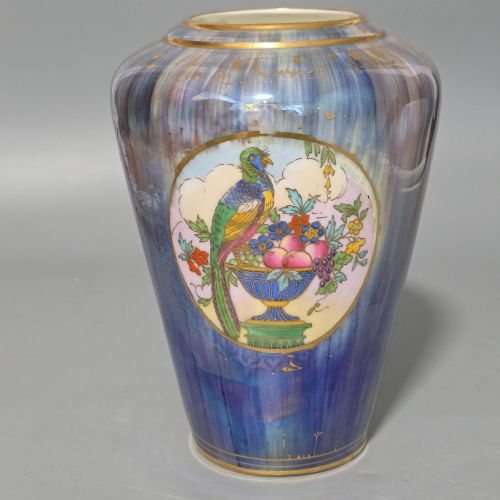


1920s Ceramic Vase
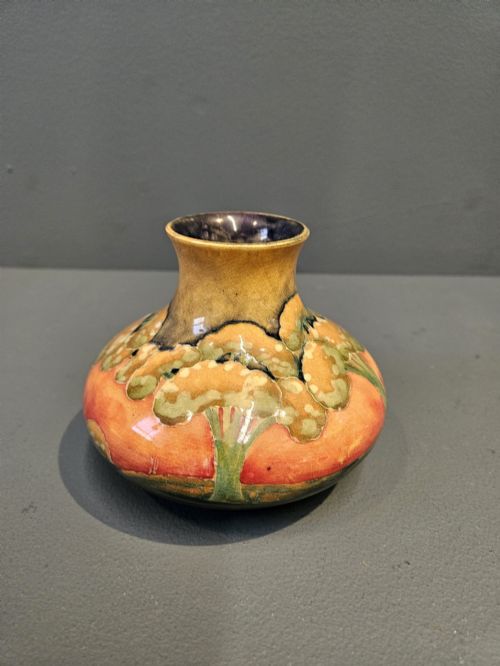
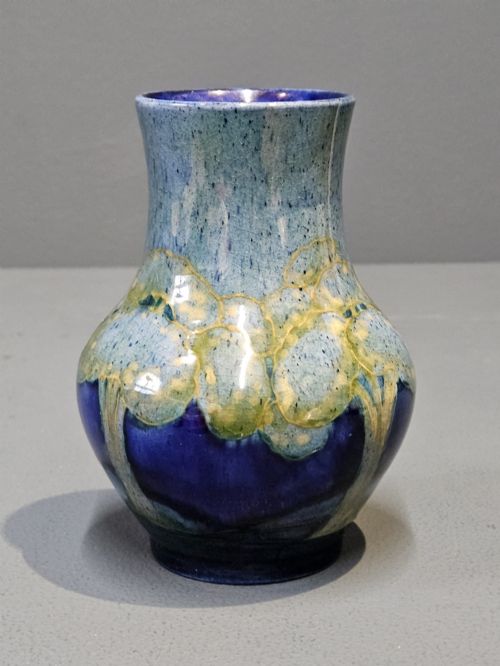
These 1920s ceramic vases bring bold glazes and striking decorative patterns into a room, offering a distinct focal point for any collector.
1920s Ceramic Vase
When someone searches for a 1920s ceramic vase, they are looking for vessels that capture the shift from traditional floral motifs to geometric lines and rich glazes. The selection here ranges from compact cabinet pieces to large floor-standing vessels, alongside related forms like umbrella stands and lidded jars.
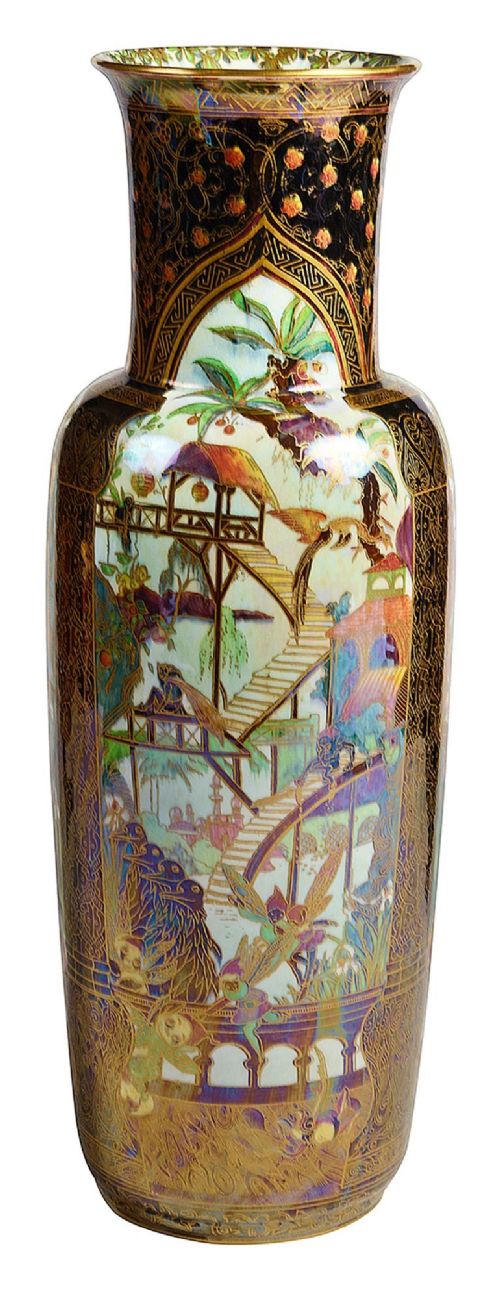
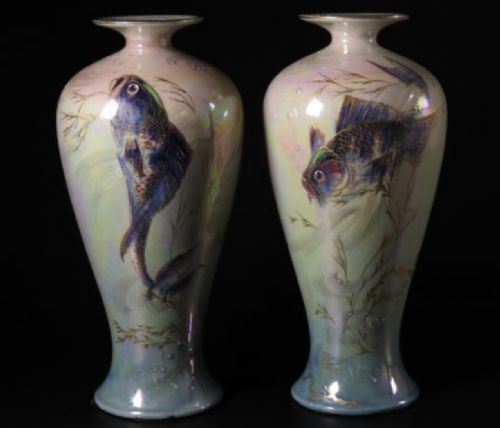
Art Deco and Chinoiserie styles dominate the period output, often rendered in earthenware or porcelain with vibrant enamel decoration. Buyers will frequently encounter English and European potteries producing vibrant lustre glazes alongside Japanese imports from the same decade.
Materials and methods of the period
Potters of this era relied on earthenware, bone china, and porcelain bodies as the foundation for their designs. These ceramic bases were then finished with specialised coatings including high-fired lustre glazes that created iridescent, metallic sheen effects.
Surface decoration frequently involved hand-enamelling and the application of gold leaf over the fired glaze. Many of the finest examples required multiple firings in the kiln to fix the intricate pigments and precious metal highlights securely.
1920s Ceramic Vase Retail Price Guide 2026
Typical asking prices for 1920s ceramic vase among the pieces listed under this phrase on Sellingantiques today, from the lower quarter to the upper quarter. They describe what is for sale here now, not the wider market.
Fish, deer, and parrots share the ceramic stage with mandarin figures across these whimsical period designs.
Distinctions in craftsmanship and design
The division between standard production and exceptional work rests on the precision of the hand-painting and the depth of the glaze chemistry. Pieces decorated by named designers or master painters display superior brushwork and more complex polychrome schemes.
Quality also shows in the ambition of the form, moving from simple thrown shapes to complex moulded bodies with pierced details or applied elements. Heavier reliance on hand-finishing rather than stencilled transfers marks out the finer examples in this category.
Daisy Makeig-Jones·Walter Slater·Robert T Lallement·Richard Joyce·William Ricketts
The 1920s Ceramic Vase Glossary
- Lustre Glaze
- A type of pottery glaze containing metallic salts that produce an iridescent, reflective surface upon reduction firing. This technique creates a shimmering rainbow effect across the ceramic body.
- Earthenware
- Porous pottery fired at lower temperatures than stoneware or porcelain, requiring a glazed surface to become impervious to liquids. It serves as the common body for much decorative art pottery of the period.
- Imari
- A traditional Japanese style of porcelain decoration characterised by underglaze blue and overglaze red, gold, and green. European makers frequently reinterpreted these distinctive palettes on their own ceramic bodies.
1920s Ceramic Vase: Frequently Asked Questions
How do I identify a 1920s ceramic vase?
Look for a combination of period specific styles, such as Art Deco geometric lines or exotic Chinoiserie scenes, paired with distinctive manufacturing traits like lustre glazes.
Maker marks, printed backstamps, and painted artist ciphers on the underside provide the most reliable confirmation of the decade of production.
Are these vases suitable for holding fresh flowers?
While many of these vessels were designed for functional use, their delicate hand-enamelled surfaces and historic ceramic bodies require careful handling.
It is generally safer to use a hidden plastic liner inside antique glazed earthenware to protect the interior from moisture damage.
What is lustre glaze?
Lustre glaze is a specialised ceramic finish that incorporates metallic elements to produce an iridescent, pearl-like shine when exposed to light.
Potteries utilised this technique to give earthenware and porcelain surfaces a rich, glowing depth that changes depending on the viewing angle.
How should I clean my antique vase?
Dust the exterior gently with a soft, dry cloth to prevent accumulation without risking the delicate overglaze enamel decorations.
Avoid using chemical cleaning agents, abrasive sponges, or immersion in water, particularly on pieces featuring gold leaf or lustre finishes.