


1920s Ceiling Light
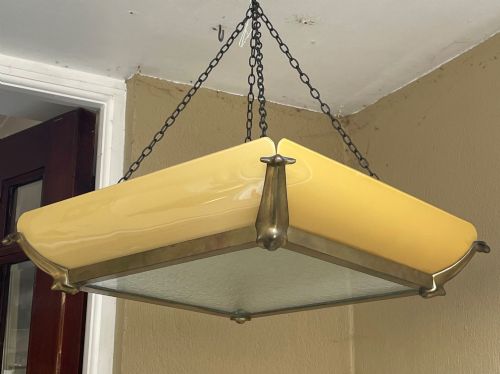
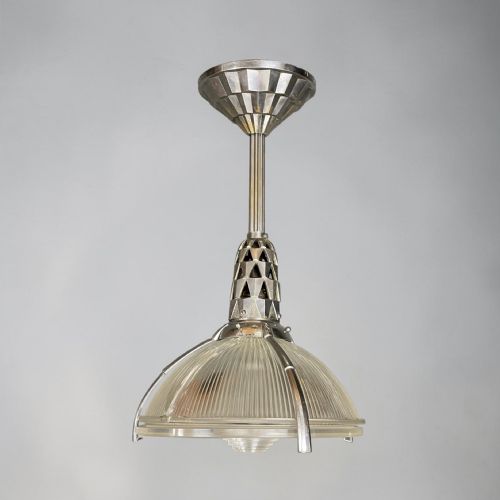
A 1920s ceiling light brings period proportion and genuine industrial or decorative metalwork directly to a room.
1920s Ceiling Light
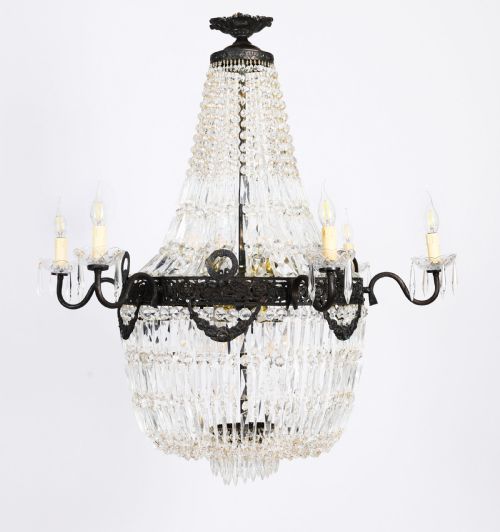
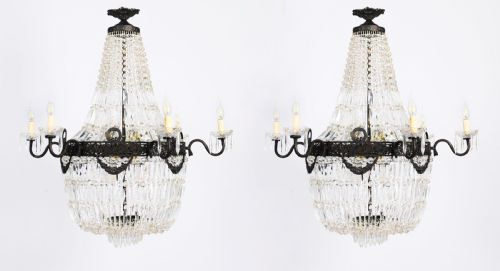
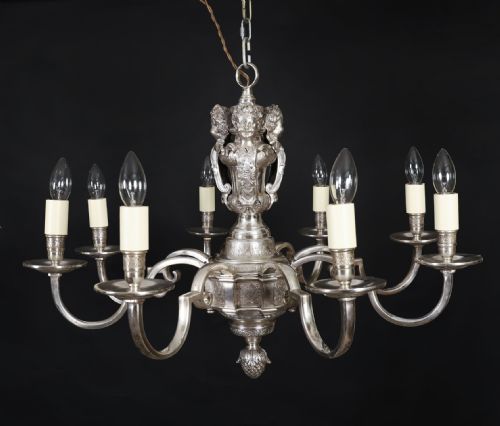
When you search for a 1920s ceiling light, you encounter diverse hanging fixtures ranging from modest pendants to large multi-arm chandeliers. The selection includes styles spanning Art Deco, Louis Revival, and Dutch Baroque Revival forms.
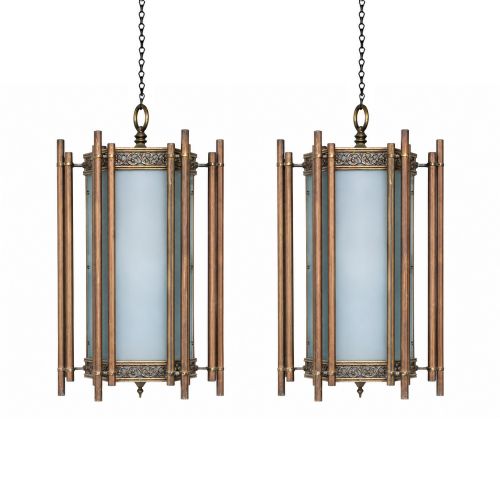
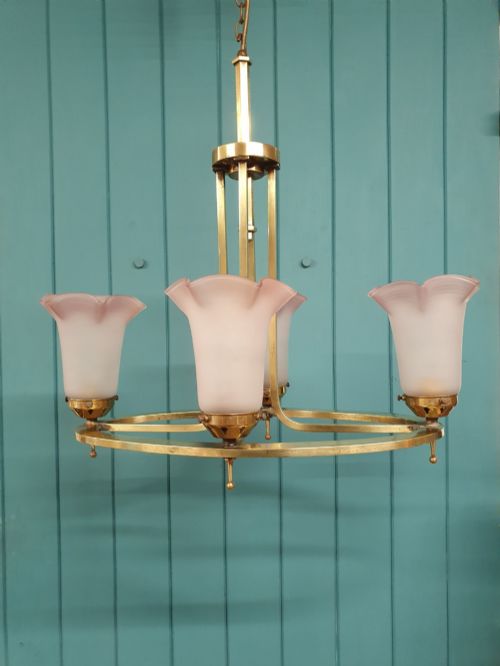
Chandeliers and pendant lights dominate the offerings, often appearing alongside hall lanterns and individual glass shades. The most frequent versions on this page combine brass or bronze frames with glass, crystal, or frosted glass elements.
Origins stretch across English, French, and Dutch workshops, occasionally reaching into American and Swedish designs. Pieces date predominantly from 1920 and 1930, with occasional Edwardian overlaps appearing in the structural typology.
How they were made
Metals form the structural backbone of these fixtures, utilising brass, chrome, silver plating, cast iron, and gilt bronze. Blacksmith made ironwork and copper elements also appear in utilitarian hall lanterns.
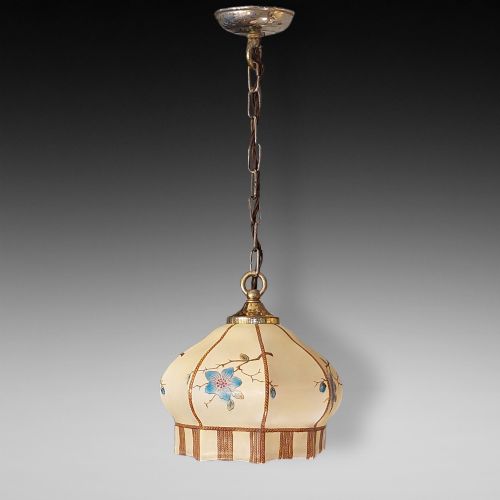
Lighting diffusers and shade bodies rely heavily on glass, featuring cut crystal, frosted glass, hand painted glass, opaque glass, and mercury mirrored glass alongside carved alabaster. Cast acanthus leaf mounts and beaded arms provide ornamental detail to the brass and bronze frameworks.
Blacksmiths hammered iron into rigid hall lanterns while glassblowers spun delicate mercury mirrored spheres, proving the twenties possessed a dual personality.
What varies in quality
Quality differences emerge through the crispness of metal casting and the depth of hand finishing on mounts and frames. Superior examples display sharply defined cast acanthus leaves and substantial metal gauges rather than thin stampings.
The clarity and weight of the glass components separate standard fixtures from high-end pieces. Heavy cut crystal drops, carved alabaster bowls, and uniform frosted or hand painted shades indicate elevated production standards.
Émile-Jacques Ruhlmann·Schneider
The 1920s Ceiling Light Glossary
- Chandelier
- A branched ceiling light designed to hold multiple lamps or candles. These fixtures often feature extensive crystal drops or metal arms.
- Alabaster
- A fine-grained mineral carved into bowls and shades for ceiling lights. This material diffuses light softly through its natural veining.
- Tent Chandelier
- A chandelier style featuring an upper canopy connected to the lower frame by rows of small crystal beads. This creates a tent-like profile.
- Hall Lantern
- An enclosed ceiling fixture designed specifically for entryways and corridors. They frequently utilise metal frames with glass panels.
- Mercury Glass
- Glass blown with a silvering solution trapped between double walls to create a reflective mirror finish. Pendants utilising this technique produce a dim, metallic gleam.
1920s Ceiling Light: Frequently Asked Questions
How do I hang a heavy chandelier?
Heavy chandeliers require direct anchoring to a ceiling joist using a steel support bracket rather than relying on standard plaster fixings. Professional installation ensures the structural weight is safely managed.
Electrical wiring must also be assessed to handle the total wattage of multi-arm fixtures, particularly for larger crystal designs.
Can I shorten the hanging chain?
Most chain-hung pendants and chandeliers allow links to be removed or adjusted to suit your ceiling height. Electric cable must be re-fed through the shortened chain carefully.
Solid rods or fixed stems cannot be altered as easily and require professional metalworking if a different drop is needed.
How do I clean frosted glass shades?
Frosted and hand painted glass shades benefit from gentle washing in lukewarm water with mild soap. A soft cloth prevents scratching the textured surface.
Avoid submerging metal mounts or painted details to protect the original finishes from moisture damage.
Are these lights compatible with modern bulbs?
Most vintage fittings accept standard screw or bayonet bulbs provided the wattage matches the historical capacity of the sockets. LED alternatives offer a cooler operating temperature while preserving period brightness.
Rewired fixtures ensure safe electrical connection to modern domestic mains.