


1920s Art Deco Seating
These 1920s art deco seating pieces combine geometric form with luxurious upholstery, offering striking period character for a modern interior.
1920s Art Deco Seating
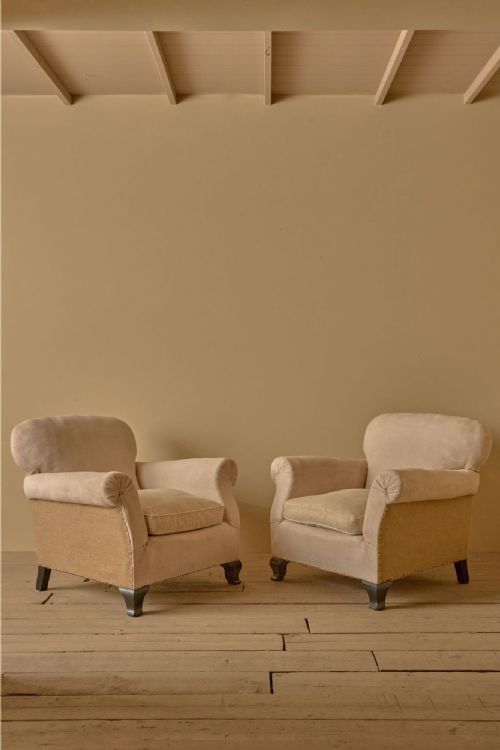
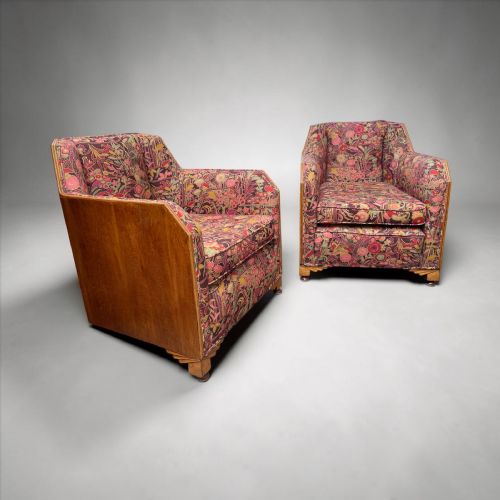
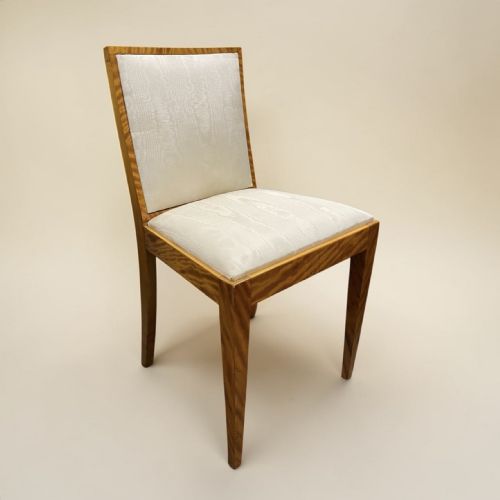
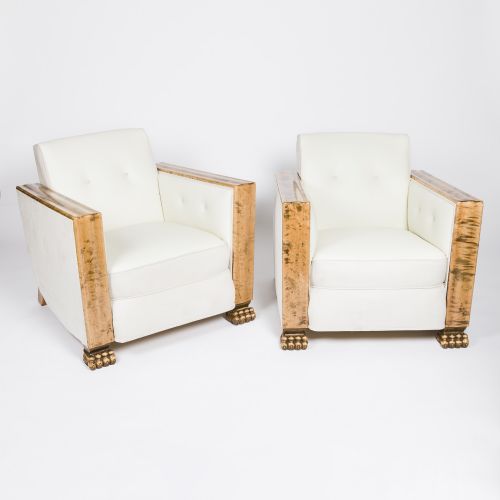
These 1920s art deco seating examples encompass armchairs, bedroom chairs, stools, and dining chairs originating from the 1920 and 1930 periods. The selection includes substantial club armchairs alongside smaller occasional seating.
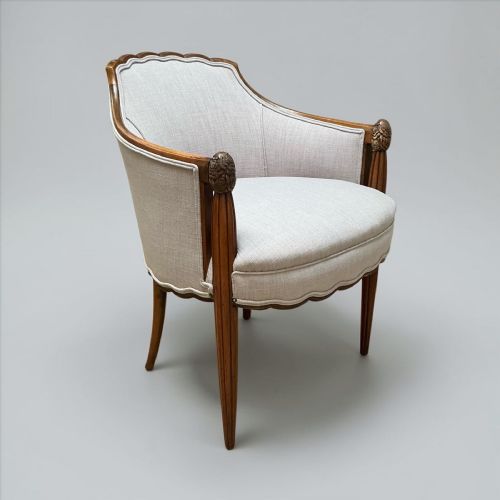
Makers such as Bath Cabinet Makers and Epstein produced notable examples during this era, while other pieces originate from French makers. Forms range from cloud back designs to barrel back armchairs.
How they were made
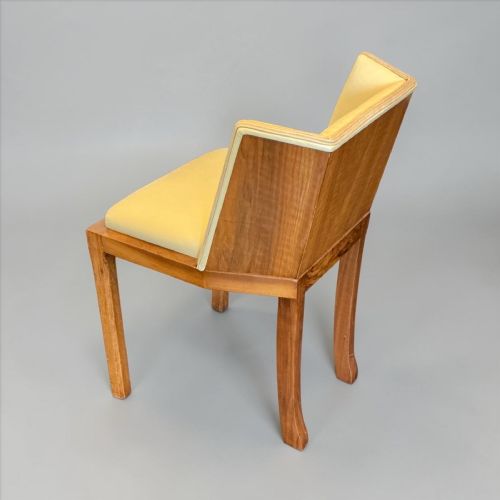
Construction relies upon quality timber frames utilising hardwood, satinwood, and burr walnut veneer for exposed wooden elements. These materials provide both structural strength and decorative grain patterns.
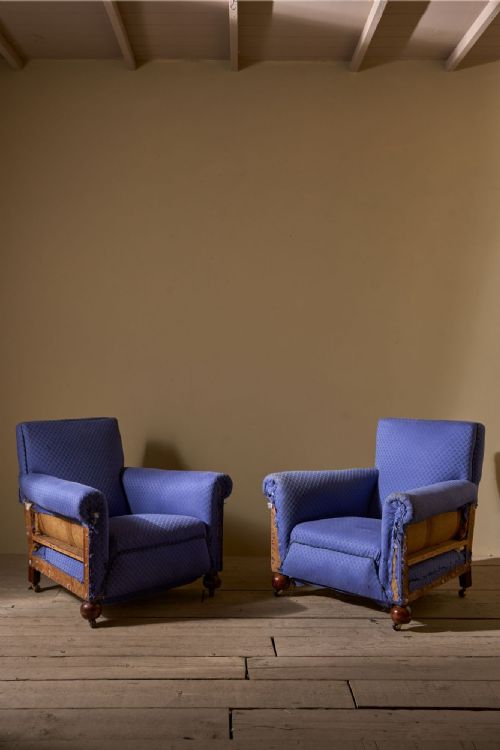
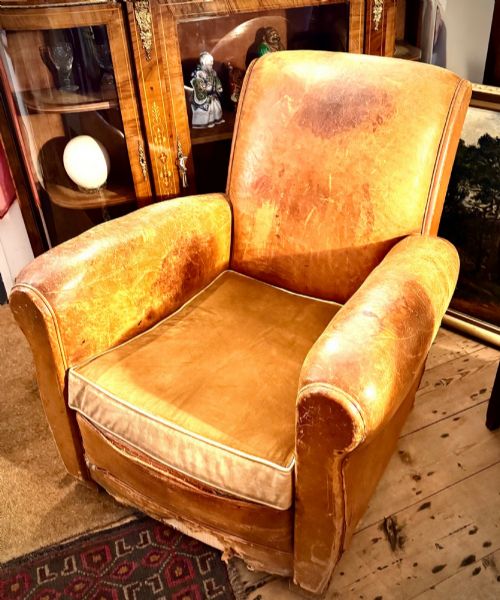
Upholstery involves traditional fabric, velvet, and leather finishes, including cigar brown leather and ribbed blue textile treatments. Craftsmanship focuses on clean geometric lines and comfortable padded seating.
One French artist captured the era's spirit in 1929 with a painting titled The Flapper in her Nuisette.
What varies in quality
Quality depends upon the choice of timber and veneer work, where figured burr walnut displays greater decorative depth than plain hardwood. The complexity of the frame design also distinguishes standard production from maker-attributed pieces.
The standard of upholstery and the preservation of original leather or fabric surfaces influence the overall integrity of the piece. Matching pairs and complete dining sets command greater interest than individual chairs.
Bath Cabinet Makers·Epstein
The 1920s Art Deco Seating Glossary
- Art Deco
- A design style emerging in the interwar period characterised by streamlined forms, geometric patterns, and modern industrial materials. It dominated decorative arts throughout the 1920 and 1930 eras.
- Burr Walnut
- A specialised wood veneer taken from the burl growths of walnut trees, prized for its swirling, intricate grain patterns. Makers utilised it to create striking surface decoration on cabinet work and chair frames.
- Club Chair
- A deep, wide armchair designed for maximum comfort, typically upholstered in heavy leather or fabric. 1930 examples often feature rounded profiles and low centres of gravity.
- Barrel Back
- A seating form featuring a rounded, semi-circular backrest that wraps continuously around the sitter. This shape provides enclosed support and reflects the curved geometries typical of the period.
1920s Art Deco Seating: Frequently Asked Questions
What defines a 1920s art deco chair?
These chairs are defined by geometric silhouettes, streamlined curves, and distinctive period materials like burr walnut and leather. They bridge traditional craftsmanship with modern design.
Makers of the period applied these principles across various forms, from club armchairs to bedroom chairs.
Are these chairs comfortable for daily use?
Most examples, particularly club armchairs and barrel back designs, are built with deep padding and substantial proportions for daily seating. The generous scale supports relaxed lounging.
Upholstery materials such as leather and velvet offer durable surfaces for regular living spaces.
How do I identify a maker piece?
Attribution often relies on stamps, labels, or documented construction characteristics associated with notable workshops like Epstein or Bath Cabinet Makers. These pieces typically display superior timber selection.
Stylistic markers and specific veneer work also aid in recognising workshop output.
What wood types appear on these chairs?
Frames and exposed wooden elements utilise hardwoods, satinwood, and decorative burr walnut veneers. These timbers provide both structural stability and visual richness.
The grain patterns enhance the clean geometric lines characteristic of the style.