


1920s Art Deco Mascot
These 1920s art deco mascot pieces are striking metal and glass bonnet ornaments designed to sit on the radiator caps of vintage automobiles.
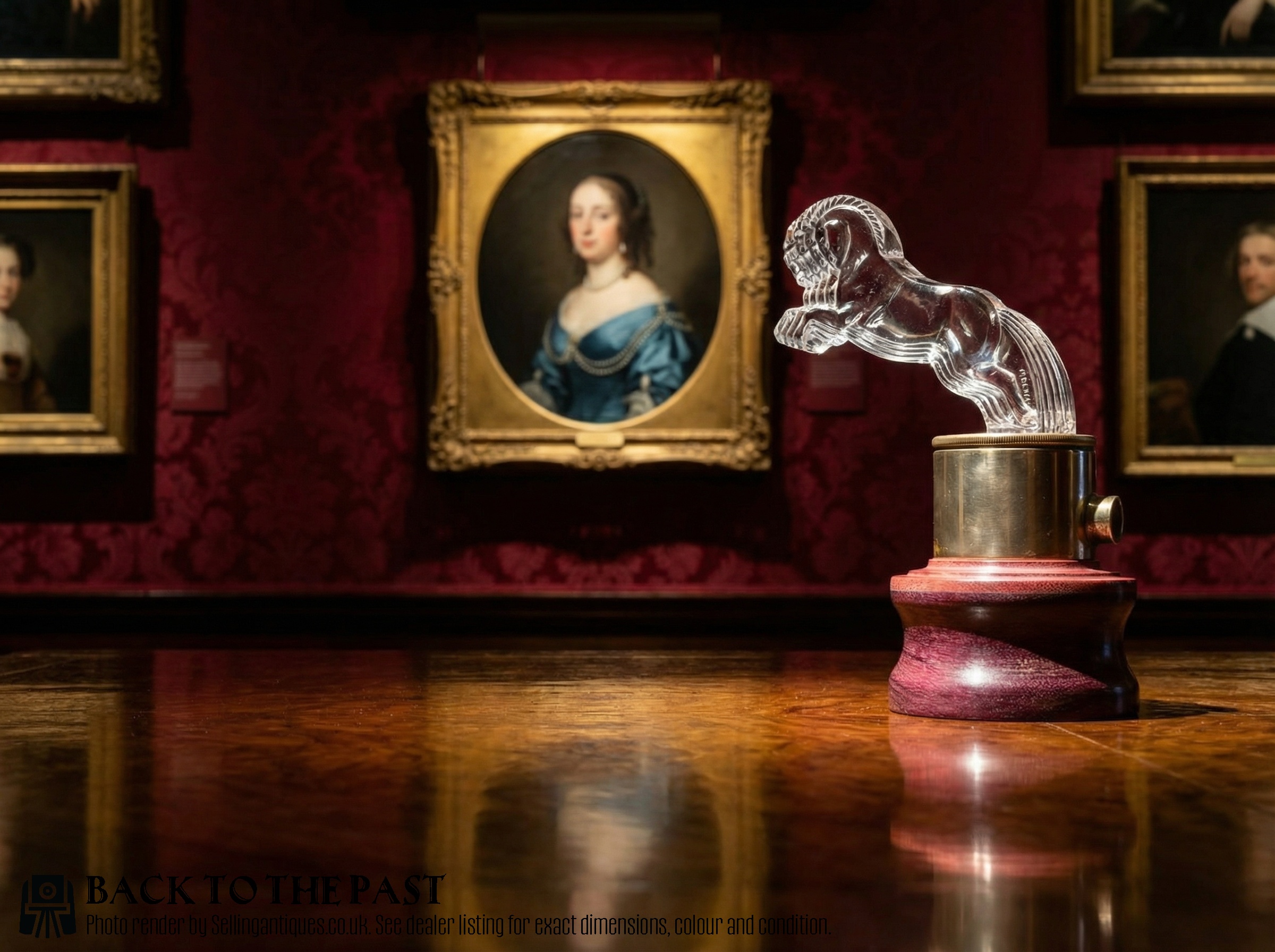
1920s Art Deco Mascot
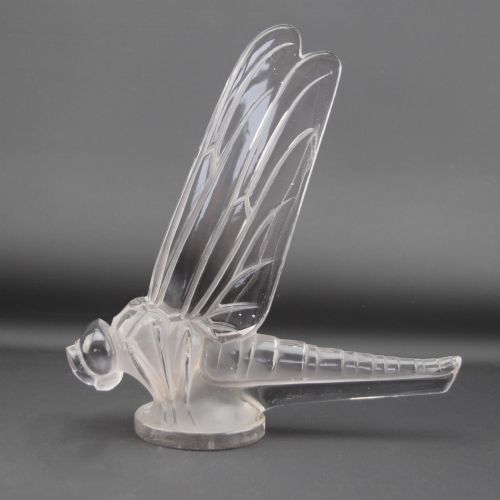
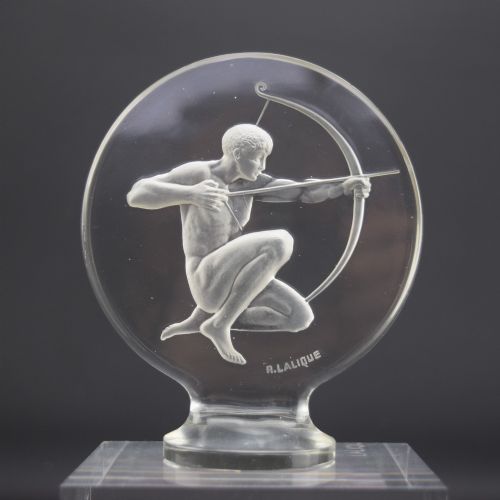
A 1920s art deco mascot represents a defining ornament of motoring style from the interwar period. These objects span figural sculptures, animal forms and abstract glass pieces originally mounted on motor car radiator caps.
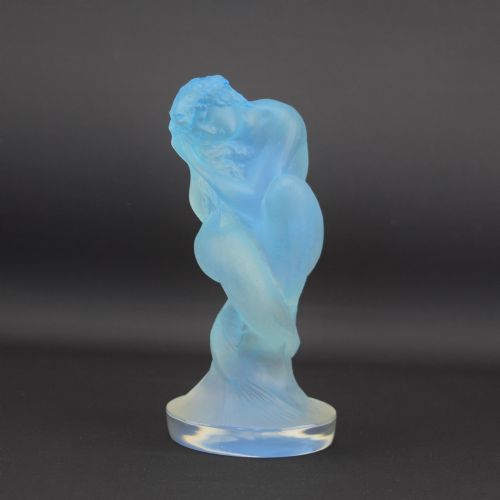
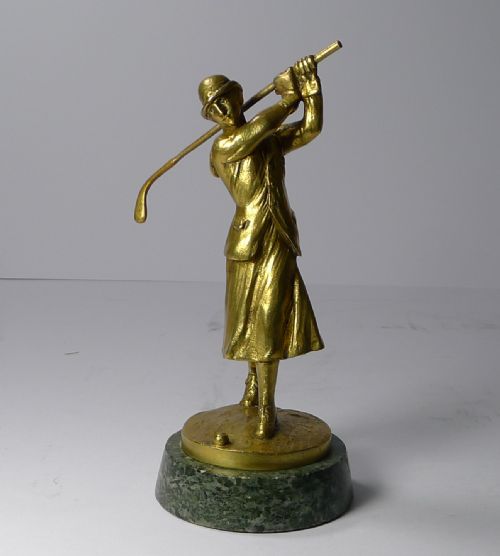
You meet two main formats on this page: moulded glass figures by makers such as Rene Lalique and cast metal sculptures in bronze. Many pieces double as decorative objects or paperweights when removed from the vehicle.
How they were made
Makers utilised hot casting and pressing techniques for glass pieces, shaping clear, frosted and opalescent glass into animal and human forms. The cooling process required careful temperature control to achieve the characteristic translucent glow.
Metal versions rely on traditional bronze casting methods, capturing fine details of figures and wildlife. Some examples incorporate wooden bases or Bakelite plinths to facilitate mounting.
Materials across these listings include moulded, frosted, clear, opalescent and pressed glass, alongside bronze, metal, wood and Bakelite.
What varies in quality
Metal quality rests on the crispness of the bronze chasing and the fidelity of the cast. Artistry in the pose and the quality of any patination determine the standing of a metal sculpture.
Rene Lalique·Jose Dunach·Etling
The 1920s Art Deco Mascot Glossary
- Opalescent glass
- Glass that displays a milky, iridescent quality shifting in tone between blue and amber according to the light. This effect adds depth to moulded figures.
- Frosted glass
- Glass treated to create a matte, non-reflective surface that accentuates the sculptural contours of a piece. It is common on motoring ornaments.
- Car mascot
- A sculptural ornament fitted to the radiator cap of a motor car during the early twentieth century. These function as both personal expression and aerofoil styling.
- Patina
- The surface sheen or colour that develops on bronze over time through age and handling. A rich patina enhances the visual appeal of metal sculptures.
1920s Art Deco Mascot: Frequently Asked Questions
What is a 1920s art deco mascot?
A 1920s art deco mascot is a decorative sculpture mounted on the radiator cap of a vintage motor car. They reflect the dynamic design ethos of the interwar period.
These pieces feature distinct styles ranging from stylised animals to human figures rendered in glass or bronze. Many collectors now display them independently as cabinet sculptures or paperweights.
How were these mascots mounted?
Mascots typically threaded directly onto the top of the vehicle radiator cap using a metal base or a threaded collar. Some glass examples required specialised adapters to secure them safely.
Today, most owners display them on wooden bases or dedicated stands rather than mounting them on vehicles.
Are glass mascots fragile?
Glass mascots use thick moulded or pressed glass designed to withstand wind resistance and minor road vibrations. They remain heavy, solid objects.
Despite their robust construction for motoring use, they require careful handling to protect delicate extremities from accidental impact.
How do I identify a Lalique mascot?
Rene Lalique mascots typically feature characteristic moulded signatures and distinct high-relief designs in clear, frosted or opalescent glass. The subjects often include animals, birds and classical figures.
The weight, optical quality of the glass and precision of the moulding help distinguish authentic period examples.