



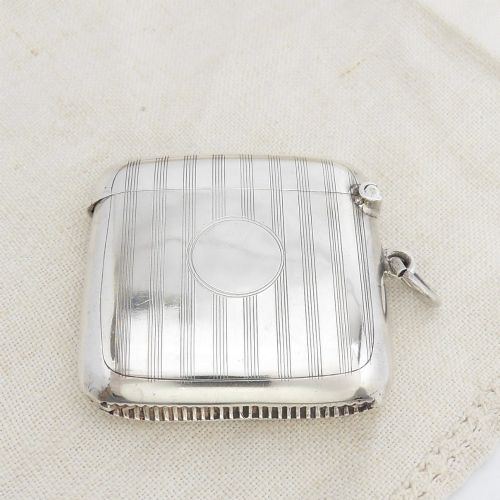


1910s Sterling Silver Box
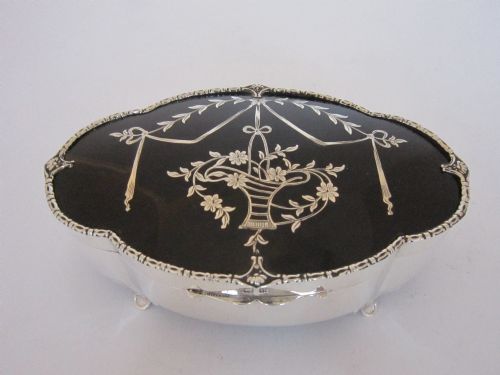
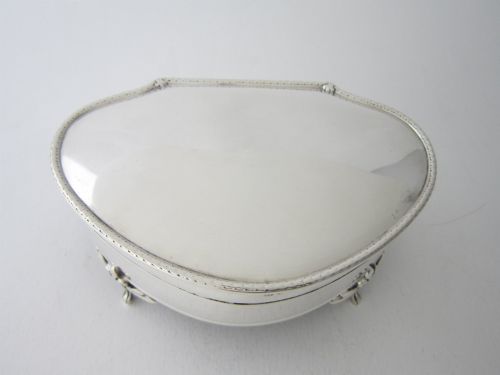
These 1910s sterling silver box pieces combine solid precious metal with tortoiseshell, enamel, and stone to hold keepsakes safely on a dressing table.
1910s Sterling Silver Box
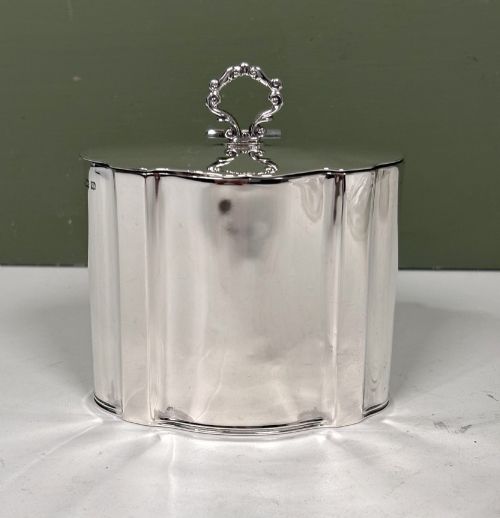
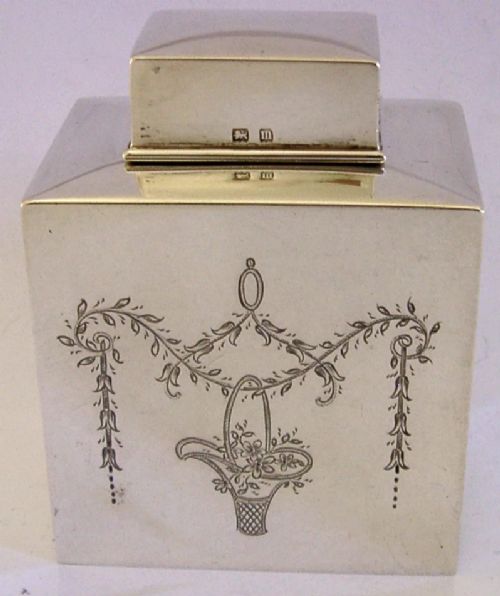
When you search for a 1910s sterling silver box, you encounter items shaped for specific domestic uses such as trinket storage, tea keeping, and stamp organisation. The examples appearing here span the Edwardian and George V periods, showing the distinct hallmarks of the Chester and Birmingham assay offices.
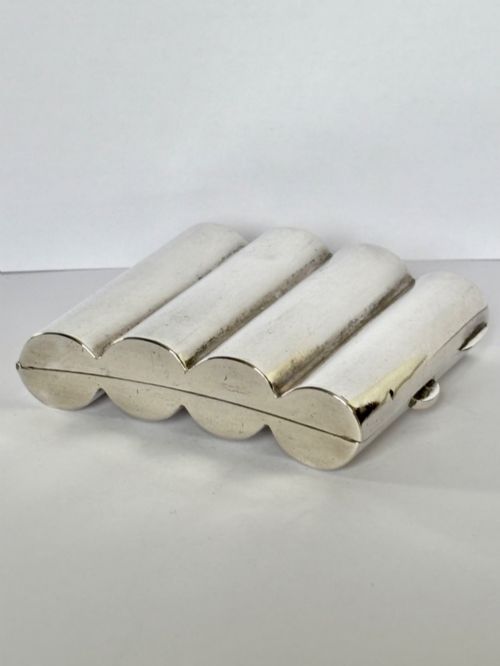
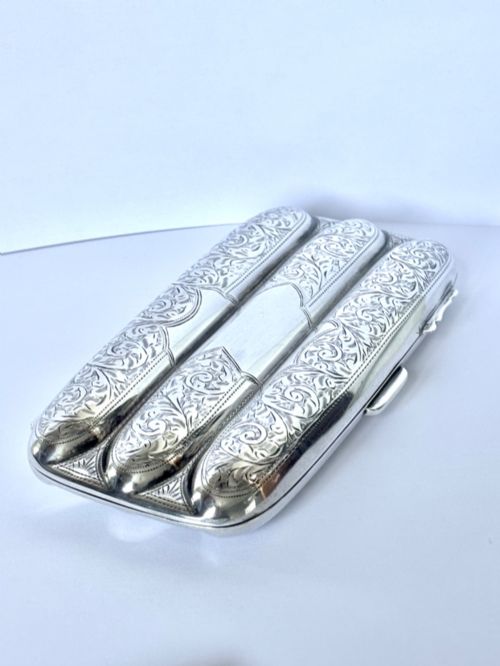
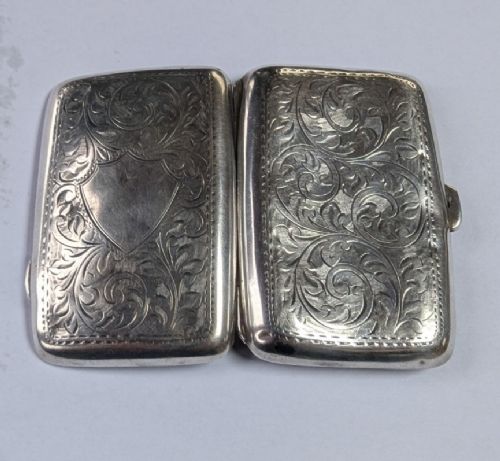
Trinket boxes and tea caddies dominate the selection, alongside smaller pieces like stamp cases, pill boxes, and vesta cases. These objects date from 1910 through to 1920, capturing a specific decade of British silversmithing before and during the First World War.
Materials and construction
The foundation of these pieces is solid sterling silver, often paired with natural decorative elements such as blue agate, tortoiseshell, and amethyst. Silversmiths utilised vitreous enamel and guilloche enamel to add colour and pattern to the metal surfaces.
Internal compartments frequently feature linings of silk and velvet to protect delicate contents. Construction relies on traditional techniques of pressing, shaping, and hallmarking to verify the silver standard.
1910s Sterling Silver Box Retail Price Guide 2026
Typical asking prices for 1910s sterling silver box among the pieces listed under this phrase on Sellingantiques today, from the lower quarter to the upper quarter. They describe what is for sale here now, not the wider market.
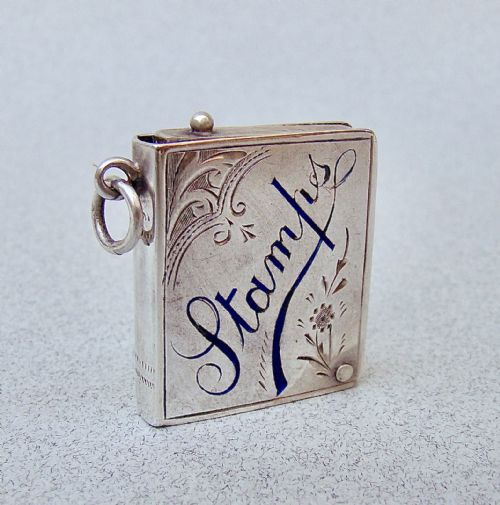
Some boxes from this era were made specifically to resemble miniature leather-bound books, hiding stamps between silver pages.
Assessing quality in silver boxes
The distinction between standard examples and finer pieces rests on the complexity of the materials combined with the silver. Boxes incorporating inset blue agate, detailed tortoiseshell work, or precision guilloche enamel demonstrate higher craftsmanship than plain metal containers.
Attribution to documented makers such as Zimmermann or Walker & Hall elevates a piece above anonymous production. The clarity of the Birmingham or Chester hallmarks and the preservation of original internal linings further define the tier of the object.
Zimmermann·Walker & Hall·Crisford & Norris·C.T. Burrows & Sons
The 1910s Sterling Silver Box Glossary
- Sterling silver
- A silver alloy containing 92.5 percent pure silver and 7.5 percent other metals, usually copper. This standard is guaranteed by official hallmarking.
- Guilloche enamel
- A decorative technique where a precise, intricate pattern is mechanically engraved into the silver beneath a translucent layer of enamel. This creates a shimmering depth of colour.
- Vitreous enamel
- A material made by fusing powdered glass to a metallic substrate at high temperatures. The result is a glossy, durable coloured coating.
- Hallmark
- A series of official marks stamped on items made of precious metals in the United Kingdom. These symbols indicate the maker, the assay office, and the year of testing.
- Vesta case
- A small pocket box designed to hold matches and keep them dry. They typically feature a striking surface on the base.
1910s Sterling Silver Box: Frequently Asked Questions
What are 1910s sterling silver boxes?
These are small, portable containers fashioned from solid silver during the second decade of the twentieth century. They were created to hold small valuables, tobacco, stamps, or tea.
Craftsmen often combined the silver with tortoiseshell, enamel, or gemstones. Each piece carries hallmarks that record its exact year of manufacture and assay office origin.
How do I date a 1910s silver box?
Dating relies on the official hallmarks stamped directly onto the silver body. These marks include a date letter corresponding to the specific year the piece was tested at an assay office like Birmingham or Chester.
Stylistic cues such as George V or Edwardian design elements also point to the correct decade. Examining these stamps removes guesswork from the timeline.
How were these silver boxes used originally?
Owners placed them on dressing tables, desks, and sideboards to organise daily essentials. Trinket boxes held rings and brooches, while tea caddies preserved dry tea leaves.
Smaller variants travelled in pockets or handbags to hold matches, stamps, or pills. Their sturdy construction ensured contents remained secure during daily handling.
How do I care for antique silver and enamel?
Keep these pieces away from direct sunlight and moisture to protect delicate internal silk or velvet linings. Clean the silver gently with a specialist cloth, avoiding abrasive polishes that damage engraved details.
Enamel and tortoiseshell require particular care, needing only a soft, dry cloth to remove dust. Proper handling preserves the original surfaces for daily enjoyment.