



1900s Gold Dress Ring
A 1900s gold dress ring brings the refined hand-work of the Edwardian era straight to the finger with gems set in precious metals.
1900s Gold Dress Ring
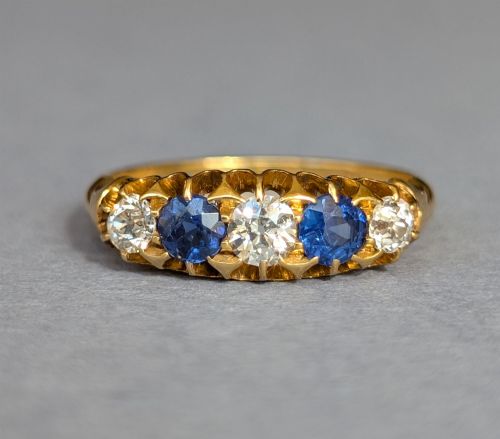
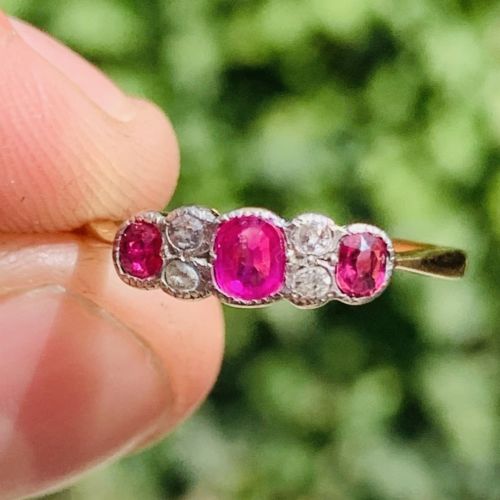
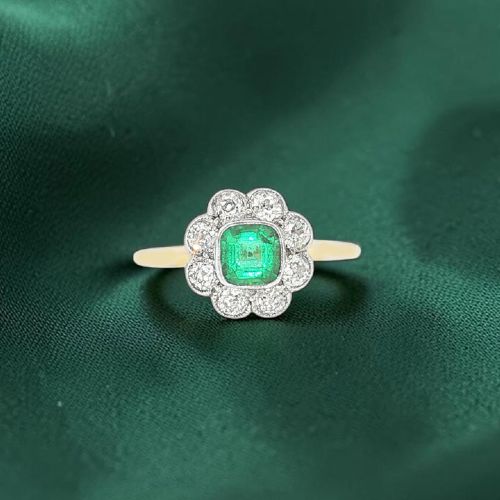
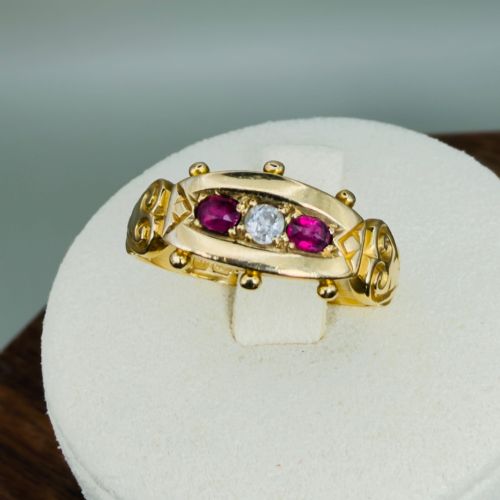
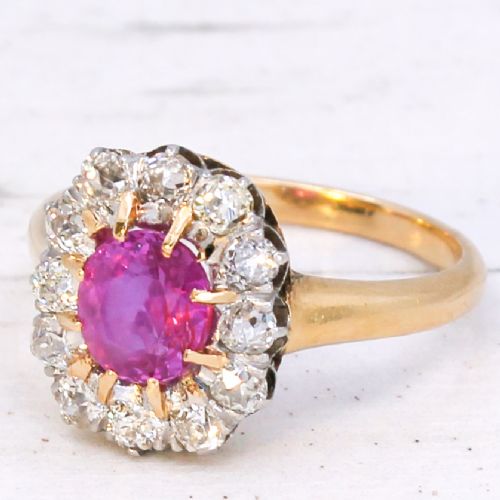
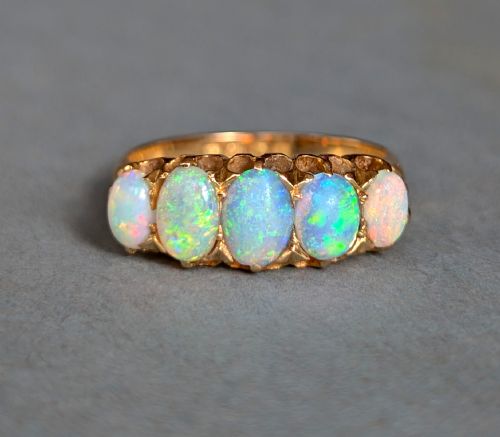
A 1900s gold dress ring represents a distinct period of jewellery design spanning the turn of the twentieth century, taking in Late Victorian, Edwardian, and Art Nouveau aesthetics. These pieces typically display delicate stone arrangements including cluster settings, trilogy formations, and five-stone rows.
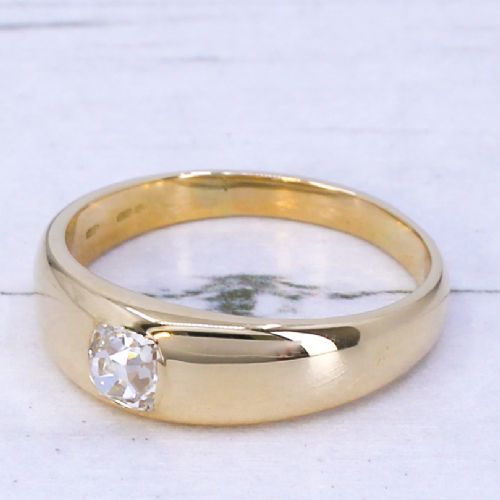
The most common examples encountered in this selection combine yellow gold bands with bright gemstones such as diamonds, sapphires, rubies, and opals. They were designed for daily ornamentation during an era that favoured intricate metalwork alongside vibrant coloured stones.
The origins of these rings trace through British workshops, with specific regional hallmarks occasionally appearing from assay offices such as Birmingham. Their enduring appeal lies in the combination of warm gold tones and old-cut diamonds that catch the light softly.
Materials and construction
The foundation of these rings rests on 18ct yellow gold, frequently paired with platinum sections to securely hold diamonds and coloured stones. This dual-metal technique emerged as jewellers sought stronger settings that allowed for finer claws and lighter mountings.
Gemstones such as rubies, sapphires, and emeralds are shaped in old cuts, including old European and rose cuts, which give them a softer brilliance than modern machine-cut stones. Pearls and opals are integrated into cluster and five-stone layouts, secured by hand-beaten settings and tiny claws.
Listings for the 1900s gold dress ring incorporate periods spanning Late Victorian, Edwardian, and Art Nouveau eras.
Distinctions in craftsmanship
The calibre of a 1900s gold dress ring rests upon the fineness of the metalwork and the proportion of the stones within the setting. Superior examples display precise hand-pierced gallery work and tightly matched gemstone carat weights that balance harmoniously across the finger.
Wear and tear on the claws and the security of old-cut stones distinguish well-preserved specimens from those that have undergone extensive reconstruction. The clarity of the gold hallmarks and the original integrity of the gemstone surfaces dictate the standing of the piece.
The 1900s Gold Dress Ring Glossary
- Edwardian
- A period of jewellery design spanning the early twentieth century known for lightness, platinum-topped gold, and delicate floral motifs. This style heavily influences the 1900s gold dress ring aesthetic.
- Old cut
- A hand-faceted diamond cut prevalent before modern machine precision, featuring a smaller table and higher crown. These stones produce a distinctive gentle sparkle under candlelight.
- Trilogy ring
- A ring featuring three principal gemstones set in a row, traditionally symbolising the past, present, and future. They appear frequently in Edwardian precious metal designs.
- Cluster ring
- A central gemstone surrounded by a border of smaller accent stones, usually diamonds. This arrangement maximises visual impact and light reflection.
- Almandine garnet
- A deep red variety of garnet utilised in antique cluster and multi-stone rings. It provides a rich, dark hue distinct from rubies.
1900s Gold Dress Ring: Frequently Asked Questions
How do I care for my 1900s gold dress ring?
These antique rings require gentle handling due to their delicate settings and softer gems like opals and pearls. Avoid wearing them during heavy manual tasks and clean them with a soft brush and warm soapy water rather than ultrasonic machines.
Regular checks by a jeweller ensure that the old claws holding the diamonds and sapphires remain secure. Proper storage in a fabric-lined box prevents the gold and stones from scratching against other items.
Can I wear a 1900s gold dress ring every day?
While these pieces were made for regular wear, their age means they benefit from mindful treatment. 18ct yellow gold is durable, but antique claws holding opals, pearls, or old-cut diamonds can thin over time.
Reserving the ring for daily office wear or social occasions rather than rigorous physical activity helps preserve the delicate Edwardian craftsmanship for years to come.
What is the difference between Victorian and Edwardian rings?
Victorian rings often feature heavier yellow gold settings, rich cluster designs, and occasionally darker gemstones like garnets. They tend to have a robust, substantial presence on the hand.
Edwardian rings transition towards lighter, more ethereal designs, frequently introducing platinum-topped gold to showcase diamonds and sapphires with airy openwork and lace-like metal details.
How can I tell if the gold is original?
Examining the piece closely often reveals British hallmarks stamped inside the shank, indicating the gold standard and the assay office. These small stamps are key indicators of period authenticity.
An expert jeweler can verify the metal purity and assess whether the settings are original to the 1900s or later replacements.