

18th Century Wooden Dresser
An 18th century wooden dresser brings robust utility and vernacular warmth to a room, offering sturdy timber surfaces and generous storage built to last.
18th Century Wooden Dresser
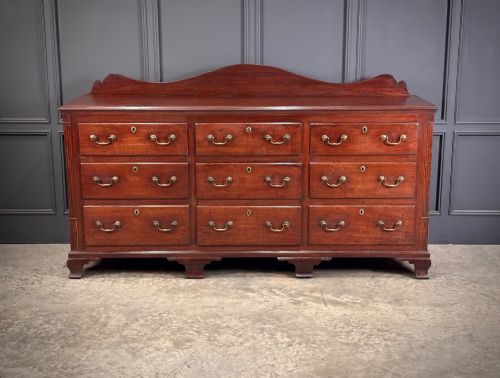
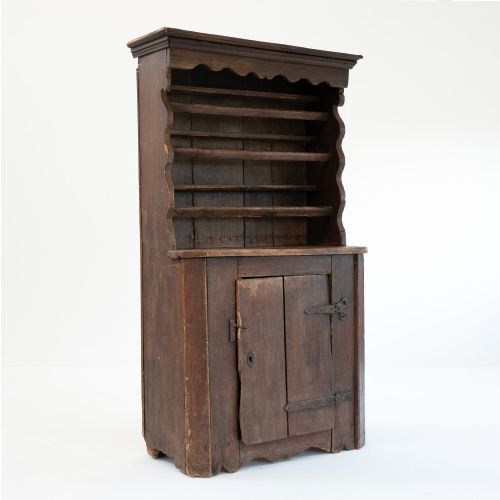
Buyers seeking an 18th century wooden dresser encounter a diverse selection spanning oak, mahogany and walnut forms originating across British, Irish and continental European workshops. These domestic storage items combine deep lower cupboards or banks of drawers with upper plate racks designed to display utilitarian ceramics and pewter.
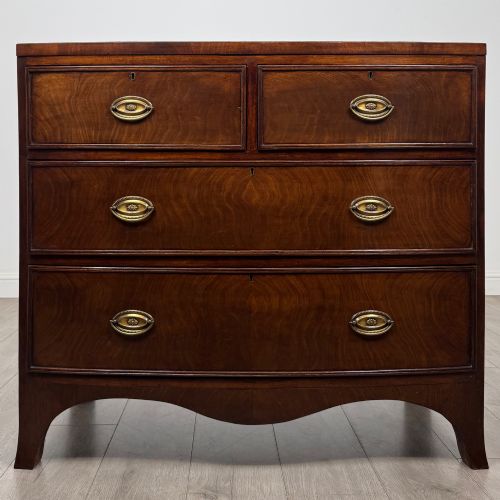
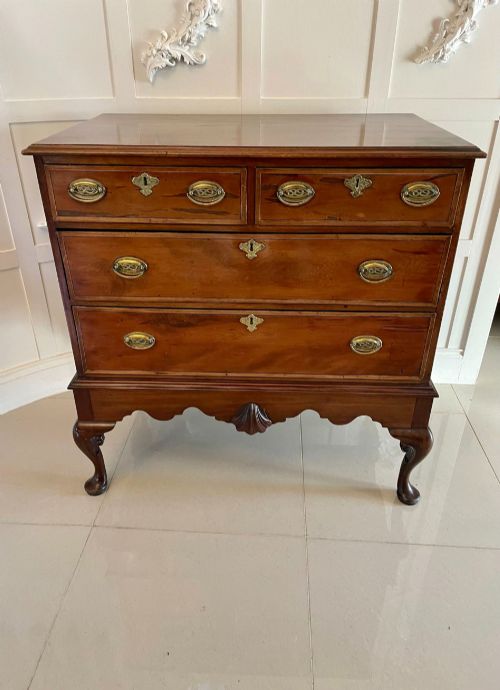
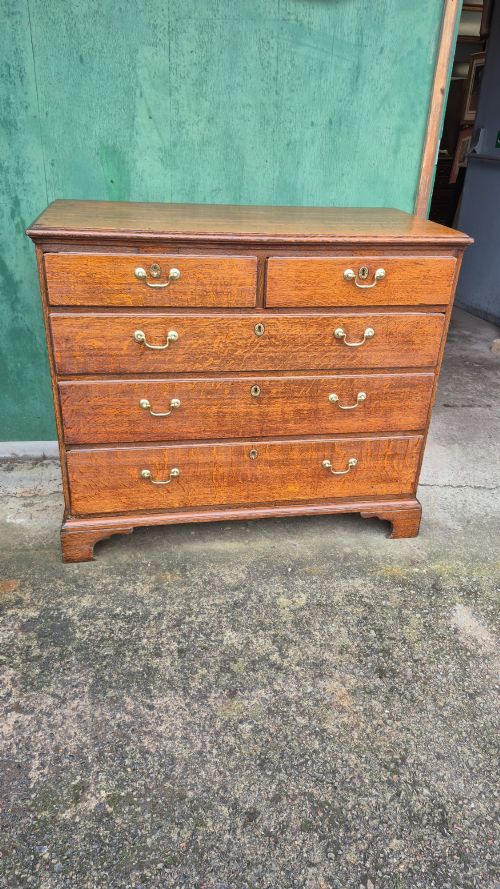
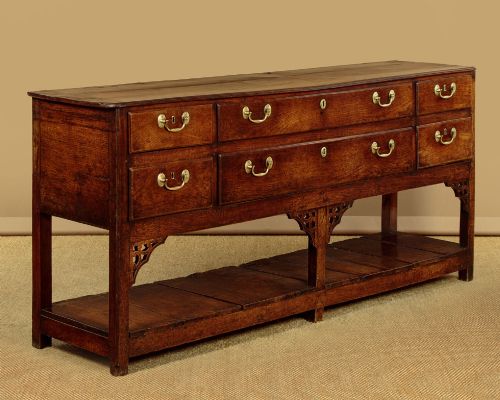
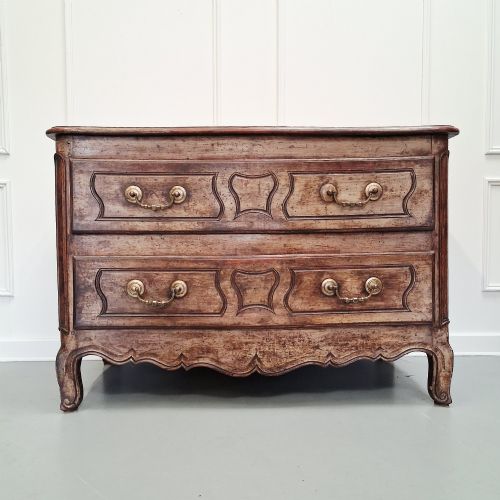
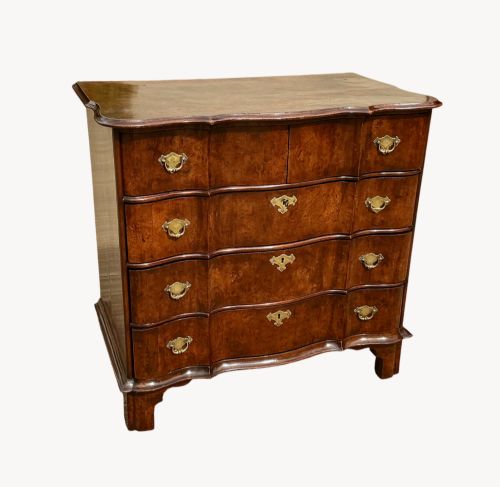
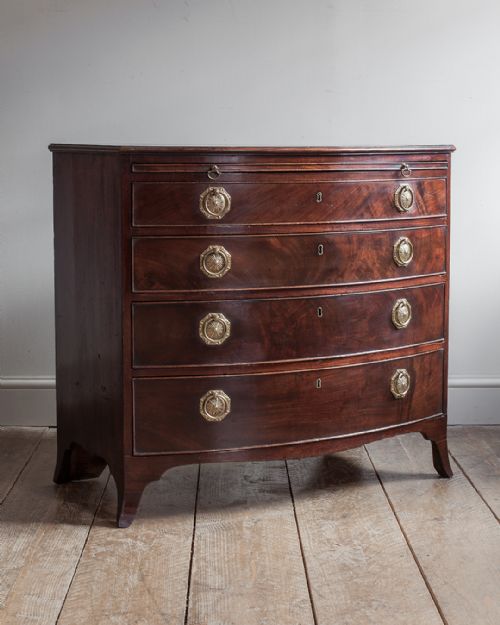
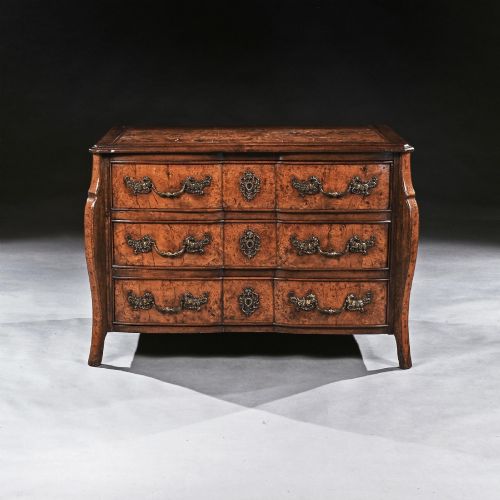
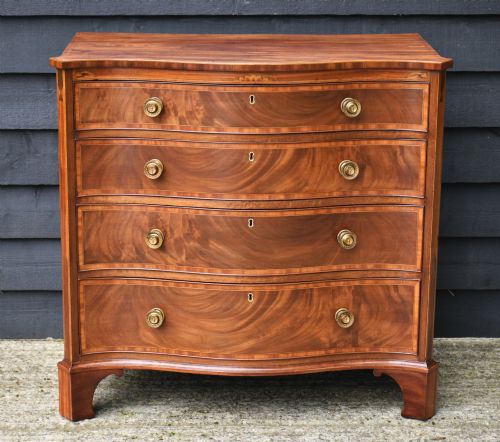
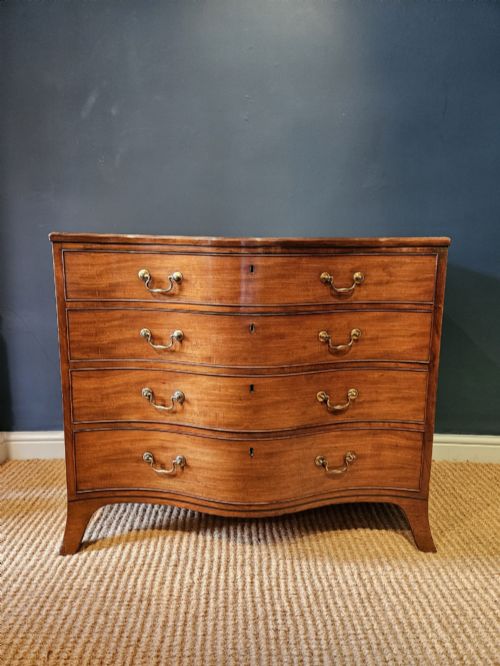
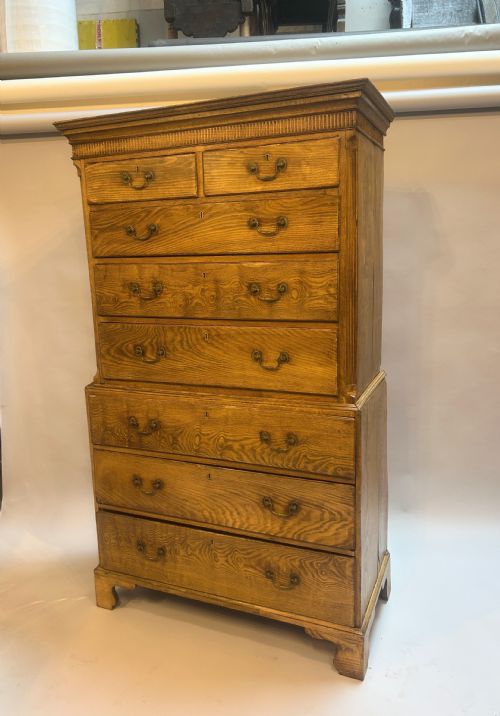
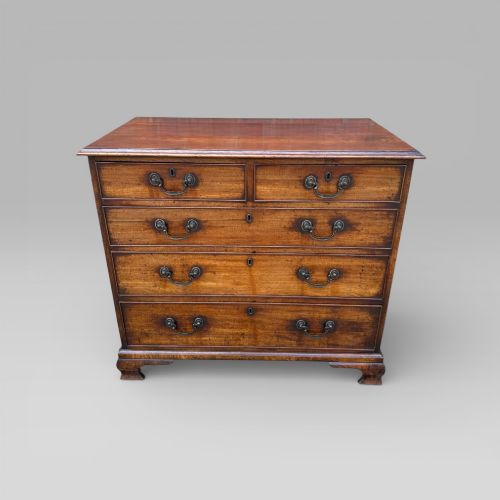
The objects listed on this page range from plain oak dresser bases and potboards to formal George III mahogany designs and regional painted finishes. Alongside traditional kitchen dressers, related storage forms such as chest of drawers, tallboys, court cupboards and commodes appear frequently.
Origins stretch from English country workshops to French provincial hubs and Dutch urban centres, demonstrating how local timber supplies shaped regional cabinet-making. Buyers select these pieces to anchor a dining room or kitchen with centuries of domestic history.
Materials and Construction
Cabinet-makers relied primarily on native timbers such as oak for early regional pieces, transitioning to imported mahogany and walnut for fashionable urban commissions. Secondary woods like pine frequently appear in drawer linings and internal framing.
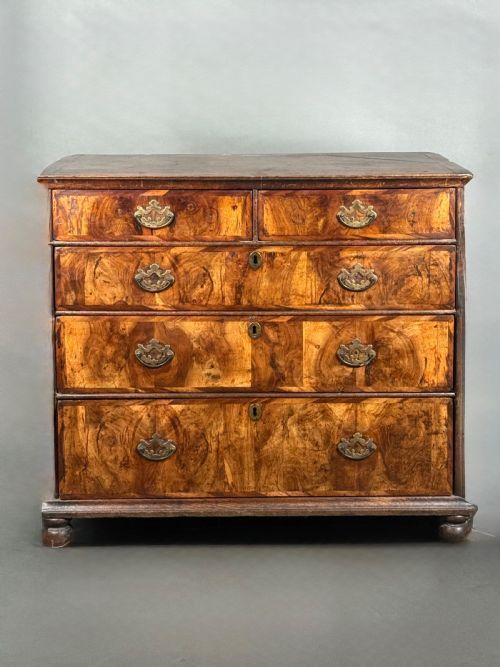
Construction techniques utilised hand-cut dovetails for drawer boxes, pegged mortise and tenon joints for structural stability, and brass hardware including swing handles and escutcheons. Decorative treatments involved burr veneers, herringbone banding, crossbanding, and marquetry in satinwood or fruitwoods.
Materials span native oak, mahogany, walnut, cedar, satinwood and olive wood alongside brass and iron hardware.
Factors Determining Quality
Quality rests upon the selection of timber figure, such as richly grained burr walnut or figured mahogany, balanced against the crispness of moulded cornices and drawer edges. Superior examples retain original brass handles, undisturbed surface patination, and uncompromised internal timber thickness.
Proportion and execution separate standard utility pieces from exceptional commissions, particularly in serpentine fronts, crossbanded borders, and structural joinery that survives without heavy timber replacement. The integration of original plate racks to dresser bases similarly influences the standing of a piece.
J Moorcroft
The 18th Century Wooden Dresser Glossary
- Potboard
- An open slatted lower shelf incorporated into a dresser base, traditionally used for storing heavy pots and pans.
- Brush slide
- A pull-out wooden shelf integrated into the upper drawer section of a chest of drawers or dresser, used for grooming or placing items temporarily.
- Crossbanding
- A decorative border of veneer laid with the grain running perpendicular to the surrounding surface.
- Herringbone banding
- Inlaid strips of veneer arranged in a V-shaped zig-zag pattern, frequently found on walnut furniture.
- Tallboy
- A tall chest of drawers constructed in two stacked sections, raising storage capacity vertically.
18th Century Wooden Dresser: Frequently Asked Questions
How do I care for an antique wooden dresser?
Keep the timber away from direct heat sources and sudden humidity shifts to prevent wood shrinkage and splitting.
Apply a microcrystalline wax periodically to nourish the surface finish and maintain the natural lustre of the wood.
Were these dressers used in kitchens?
These pieces served as the primary storage and display units in domestic kitchens and dining spaces for everyday household goods.
Plate racks held ceramic plates upright for drying and display, while drawers and cupboards secured linens and dry provisions.
How do I distinguish oak pieces from mahogany?
Oak exhibits a coarse, visible grain structure with characteristic medullary rays, showing pale brown to golden tones.
Mahogany presents a smoother, reddish-brown grain that darkens gracefully over centuries with exposure to light.
What is the difference between a dresser base and a full dresser?
A dresser base consists only of the lower sideboard section with drawers and cupboards, designed to stand alone against a wall.
A full dresser includes the matching upper plate rack permanently attached or fitted to the top of that base.