


18th Century Wooden Caddy
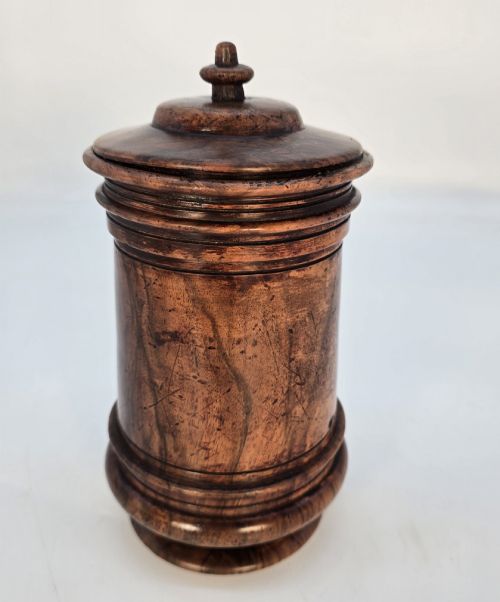
An 18th century wooden caddy is a domestic box designed to store precious tea leaves, offering tactile history and period craftsmanship.
18th Century Wooden Caddy
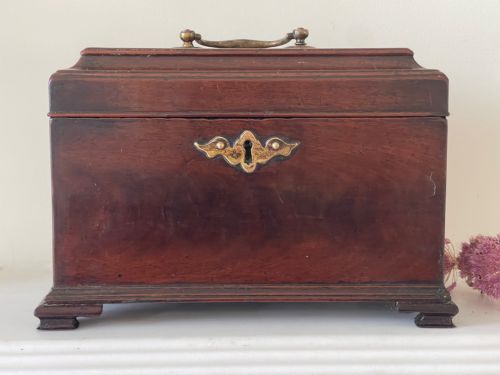
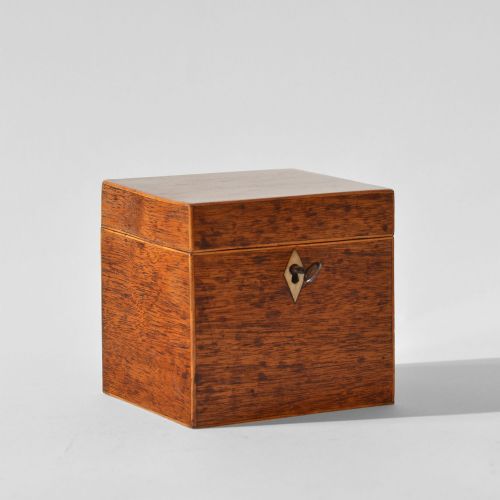
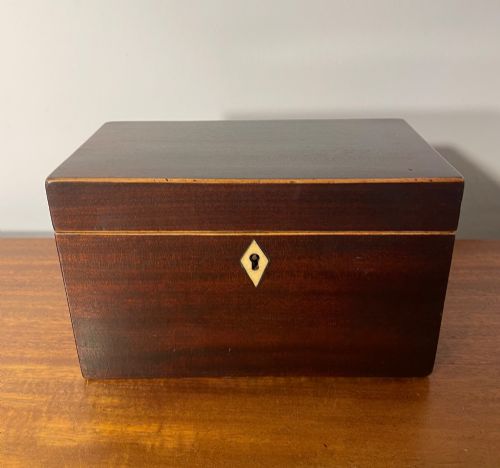
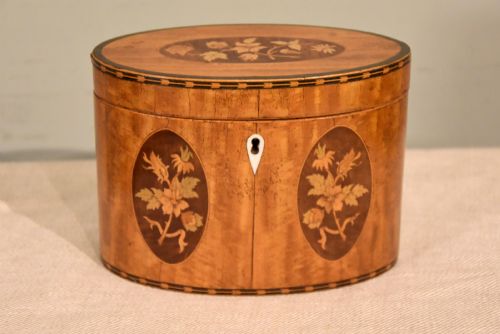
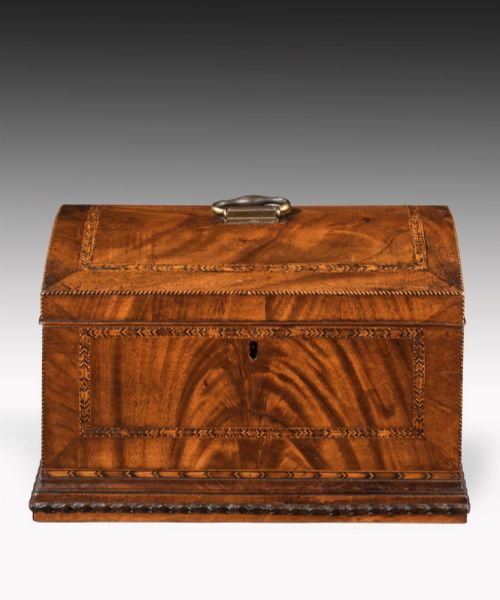
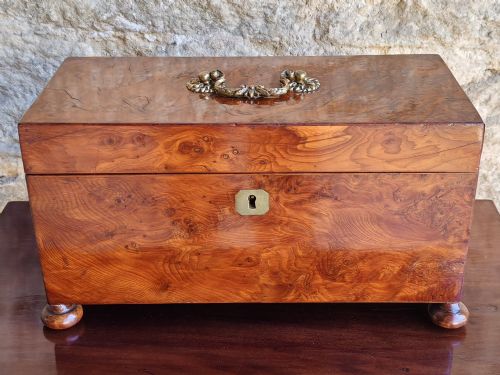
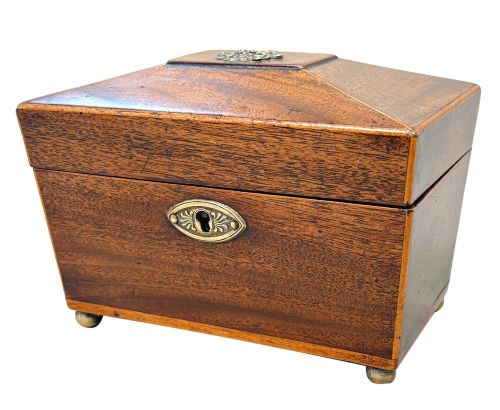
The version you most frequently meet on this page is the Georgian mahogany tea caddy, often displaying figured grain patterns like flame mahogany. Alongside standard tea caddies, the selection extends to related wooden boxes, cellarettes, spice boxes, and tobacco jars from the same eras.
How they were made
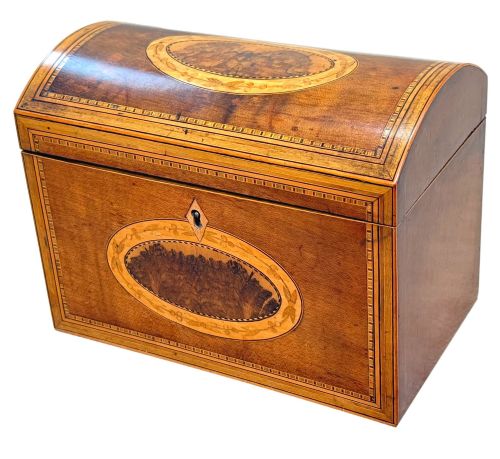
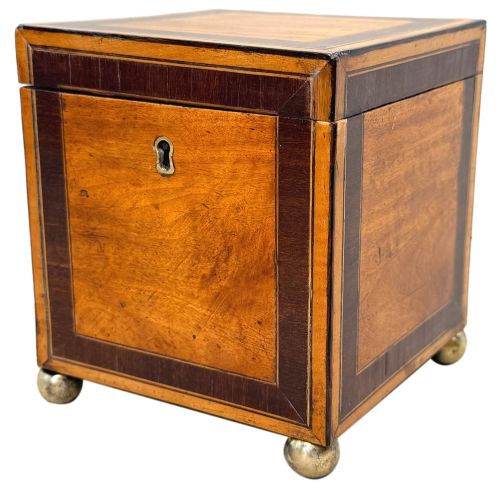
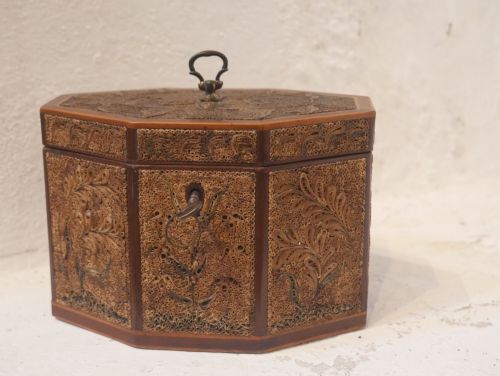
Cabinet makers utilised dense and figured timbers, predominantly mahogany, walnut, satinwood, yew, and harewood, frequently pairing them with contrasting stringing and boxwood or ebony details. Surfaces gain visual depth from veneers, paper filigree, paper scrollwork, and painted decorations applied to the wooden carcase.
Inlaid motifs such as stars and butterflies require precise woodworking skills to insert contrasting woods into the primary surface. Metal fittings, including brass handles, escutcheons, and padouk elements, secure the structural integrity while complementing the timber tones.
18th Century Wooden Caddy Retail Price Guide 2026
Typical asking prices for 18th century wooden caddy among the pieces listed under this phrase on Sellingantiques today, from the lower quarter to the upper quarter. They describe what is for sale here now, not the wider market.
Some caddies include secret drawers designed to hide your private stash from the family.
What varies in quality
The distinction between ordinary and exceptional examples rests upon the selection of timber veneers and the finesse of the decorative inlays. Boxes displaying highly figured burr walnut, burr yew, or intricate satinwood demand greater skill from the artisan and present superior visual harmony.
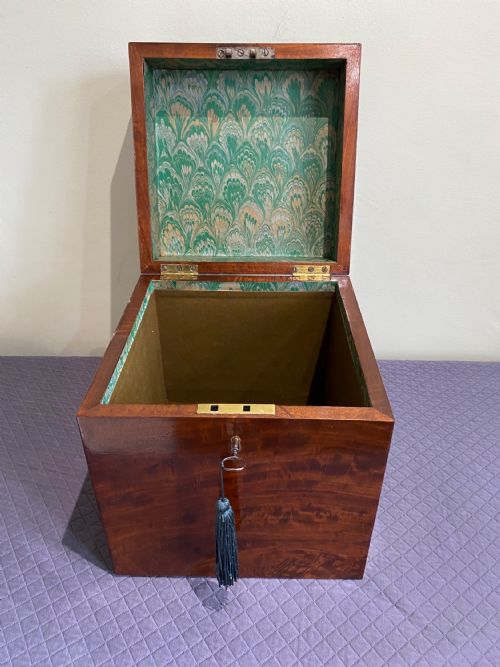
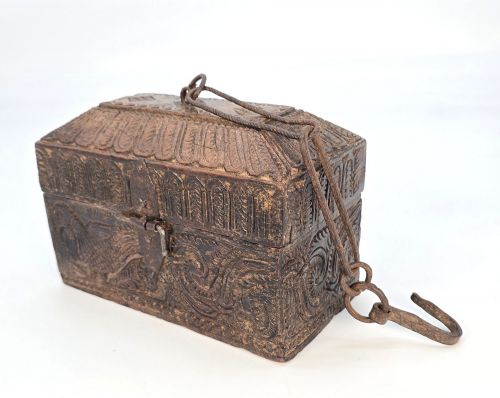
Internal architecture further separates the grades, with better pieces retaining original glass bowls, mixing sticks, secret drawers, and multi-compartment layouts intact. The crispness of carved details, such as those on Indian teak spice boxes or paper filigree panels, determines the overall refinement.
The 18th Century Wooden Caddy Glossary
- Tea caddy
- A small box or container built specifically for storing loose tea leaves securely under lock and key.
- Cellarette
- A large freestanding wooden cabinet or box designed to hold bottles of wine or spirits beneath the sideboard.
- Harewood
- Sycamore wood that has been stained grey, frequently utilised for fine neoclassical and Georgian veneer work.
- Padouk
- A heavy, durable tropical hardwood with reddish tones, often encountered in mid-Georgian cabinet making.
- Escutcheon
- A protective metal plate surrounding the keyhole of a box or cabinet door, usually cast in brass.
18th Century Wooden Caddy: Frequently Asked Questions
What was an 18th century wooden caddy used for?
These boxes stored precious black and green tea leaves when tea was a heavily taxed and costly luxury. Householders kept them locked to ration the supply and protect the contents from domestic servants.
The interior typically featured divided compartments for different tea varieties and a central mixing bowl. This allowed the host to blend leaves before preparation.
How do I identify a Georgian tea caddy?
Georgian tea caddies exhibit architectural forms, proportioned lines, and specific timber choices like mahogany, walnut, and satinwood. Look for period characteristics such as dovetail construction and brass hardware.
Decoration on these pieces often relies on geometric stringing, floral marquetry, or figured wood veneers rather than painted surfaces. Interior layouts usually include fitted wooden lids inside the main compartments.
How should I care for an antique wooden box?
Keep wooden caddies away from direct sunlight and steady sources of artificial heat to prevent the delicate veneers from drying and splitting. Maintain a stable room temperature to protect the timber carcase and interior paper or foil linings.
Apply occasional high-grade beeswax polish to nourish the wood grain without building up heavy chemical residues. Handle brass escutcheons and hinges gently to preserve their original fixings.
What is a secret drawer in a tea caddy?
A secret drawer is a concealed compartment built into the interior architecture of the box behind removable panels or false bottoms. Cabinet makers added these hidden spaces for storing private notes, spare keys, or small valuables.
Discovering one usually requires lifting out the tea canisters or sliding internal wooden partitions in a specific sequence. It represents the ingenious joinery typical of higher-grade period craftsmanship.
Are all antique tea caddies made of mahogany?
Mahogany is prevalent among the pieces listed, but makers also utilised walnut, satinwood, yew, harewood, and teak. Lighter exotic timbers became popular during the neoclassical style phases of the late eighteenth century.
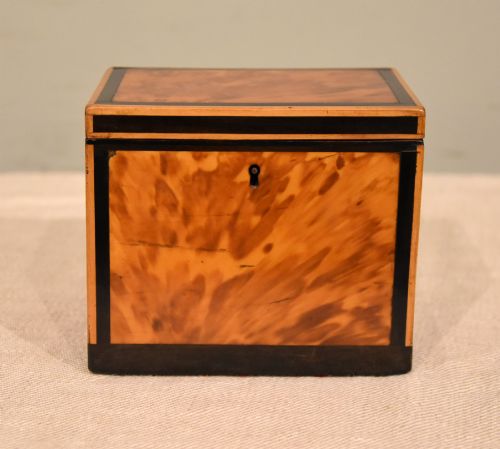
Some unusual examples incorporate tortoiseshell, mother of pearl, or paper filigree applied over a wooden base. This variety reflects the changing tastes of the Georgian and Regency periods.