




18th Century Wine Urns
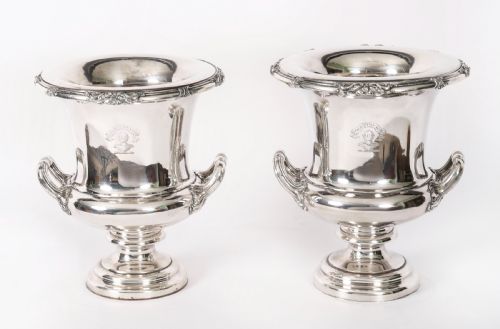
These 18th century wine urns and associated stands offer period elegance for serving and display, crafted from rich timbers.
18th Century Wine Urns
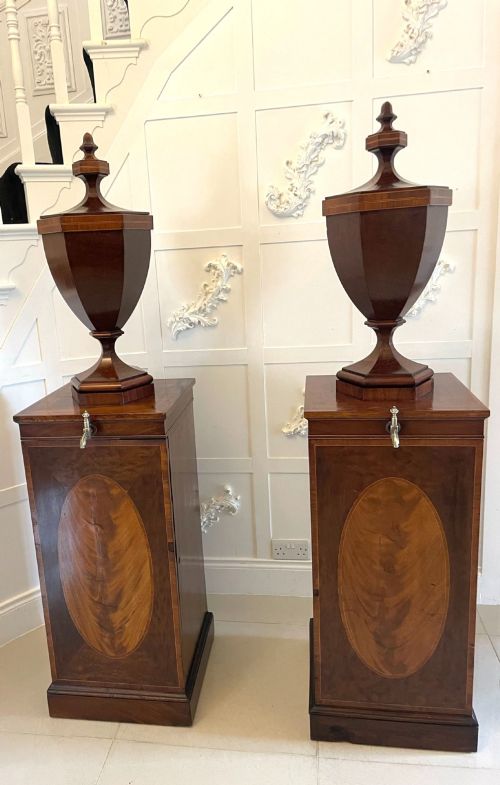
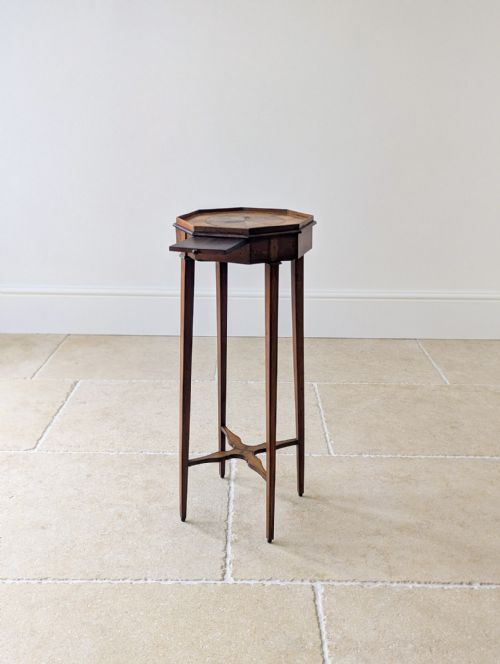
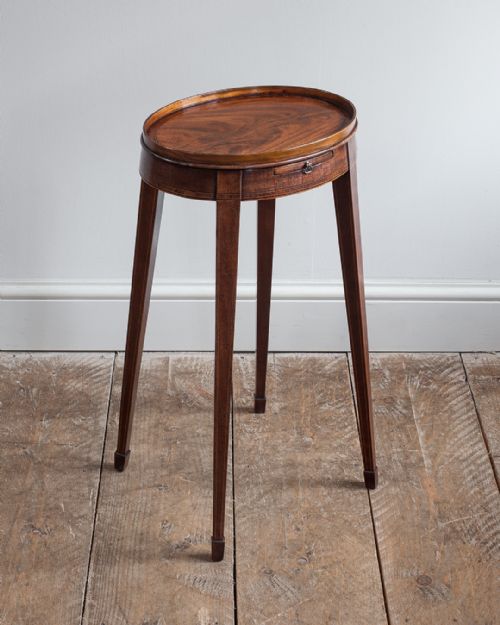
When you search for 18th century wine urns, you encounter a selection spanning the Georgian and 18th century periods. The pieces appearing here predominantly take the form of kettle stands, urn stands, pedestals, and related serving vessels rather than standalone urns alone.
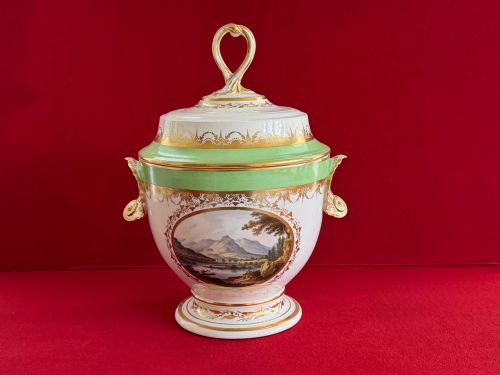
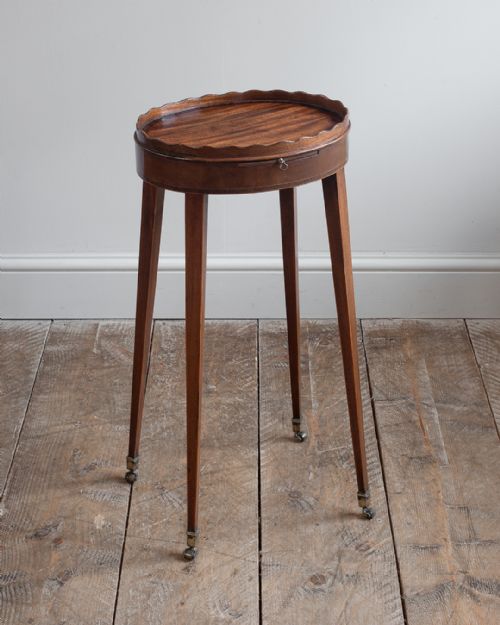
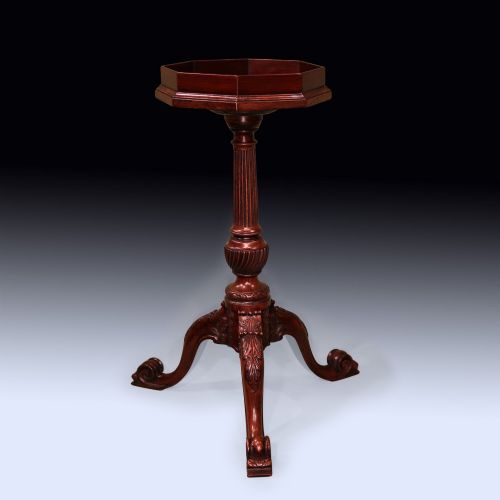
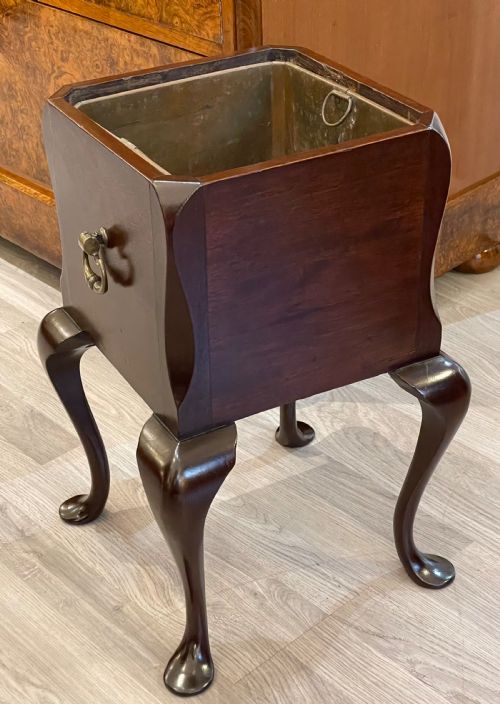
Makers of this era produced these items in various configurations, including oval, octagonal, and square top tables alongside mahogany wine coolers and porcelain ice pails. Mahogany forms the backbone of these offerings, supplemented by satinwood, oak, and bronze.
The selection reflects both British craftsmanship of the George II and George III reigns and select Continental or Qing Dynasty examples. Buyers meet practical serving furniture designed to hold heated water, ice, or wine vessels within refined domestic interiors.
How they were made
Cabinetmakers constructed these pieces primarily using solid mahogany and satinwood, often embellishing surfaces with boxwood inlay and delicate carvings. Joinery techniques from the period ensured stability for tall, slender kettle stands and heavy wine coolers.
Metals such as brass and bronze appear in mounts, handles, and structural accents, while porcelain pieces utilise hand-painted enamel decoration. Gilding highlights specific decorative elements across George III neoclassical and Chippendale designs.
Several stands spent centuries holding hot water for tea before ever meeting a bottle of wine.
What varies in quality
Quality reveals itself in the selection and figure of the mahogany or satinwood veneer, alongside the crispness of carved details in Chippendale and Neoclassical styles. Superior pieces display harmonious proportions and intact original pedestals or stands.
The integration of boxwood inlay, fine brass hardware, and the precision of the joinery distinguish higher tier examples from standard utility pieces of the period.
George Robertson
The 18th Century Wine Urns Glossary
- Kettle stand
- A small occasional table designed specifically to hold a water kettle for tea service during the Georgian period.
- Wine cooler
- A vessel lined to hold bottles and ice, utilised in grand dining rooms during the eighteenth century.
- Inlay
- A decorative technique where contrasting woods like boxwood are set into the primary timber surface to create patterns.
- Chippendale
- A style of English furniture from the mid-eighteenth century characterised by ornate carving and Chinese or Gothic influences.
- Urn stand
- A specialised small table or pedestal designed to elevate a liquid-holding vessel during formal dining or tea rituals.
18th Century Wine Urns: Frequently Asked Questions
How were kettle stands used?
Kettle stands served as stable platforms for boiling water kettles during elaborate tea ceremonies in wealthy Georgian homes. Their compact size allowed servants to position them near the tea table.
Over time, many of these small tables adapted to general decorative use as lamp tables or occasional surfaces.
How do I identify George III pieces?
George III furniture typically displays classical proportions, restrained neoclassical ornamentation, and sophisticated use of mahogany and satinwood veneers. Details such as boxwood stringing and fine carving indicate this reign.
Matching the construction methods and stylistic cues of the late eighteenth century helps distinguish these items from later Victorian reproductions.
How should I live with mahogany furniture?
Mahogany pieces thrive in stable indoor environments away from direct sunlight and excessive humidity. Regular gentle dusting preserves the natural lustre of the timber.
Position these tables and stands where their inlaid tops and carved edges remain visible and safe from heavy daily impacts.