
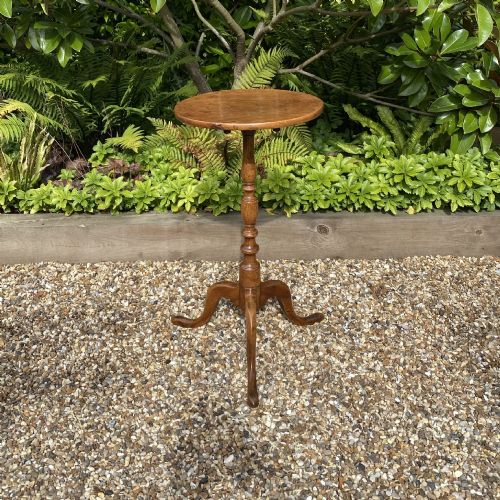
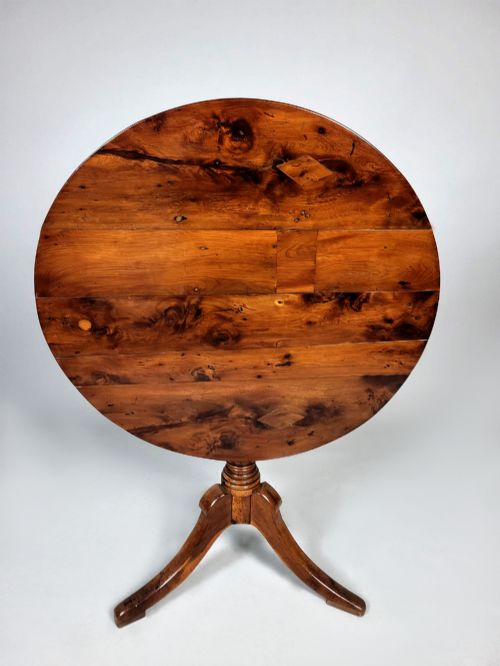
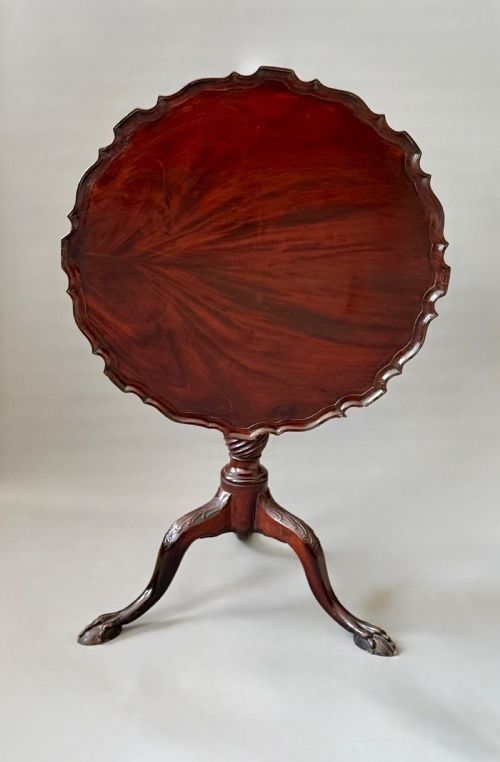
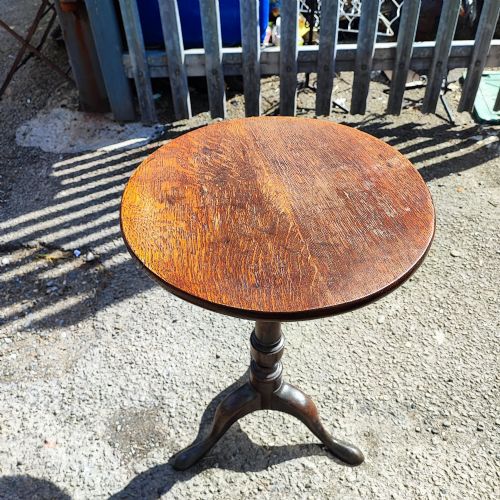
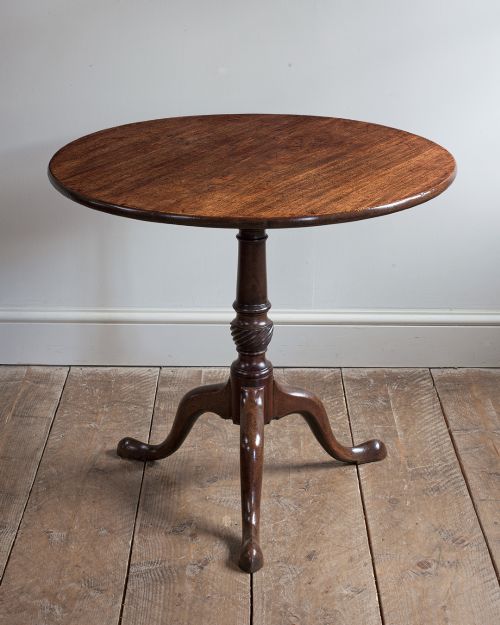
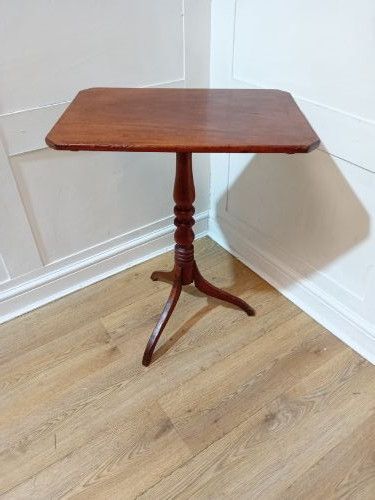
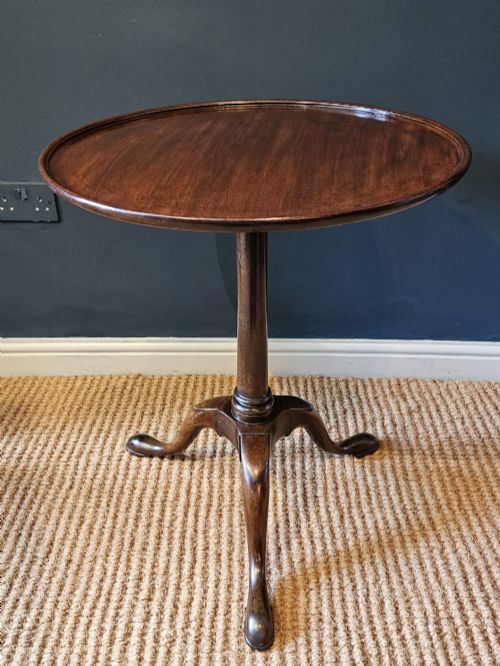
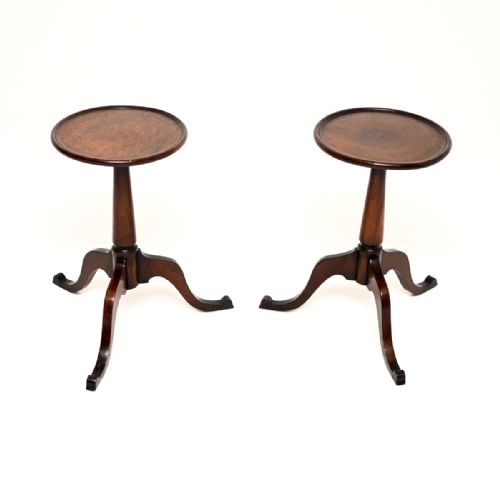
18th Century Wine Stand
An 18th century wine stand brings practical portability and classic timber proportions to a room, offering a stable surface designed specifically to hold bottles and glasses within reach.
18th Century Wine Stand
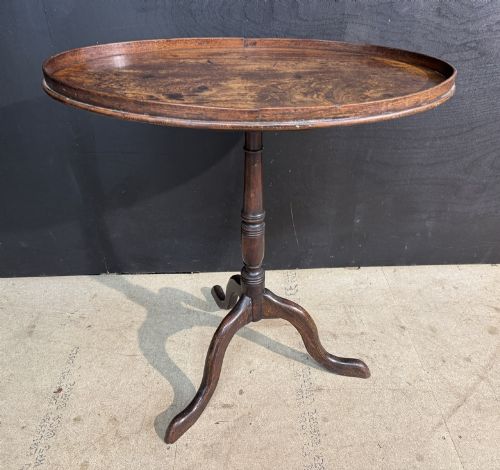
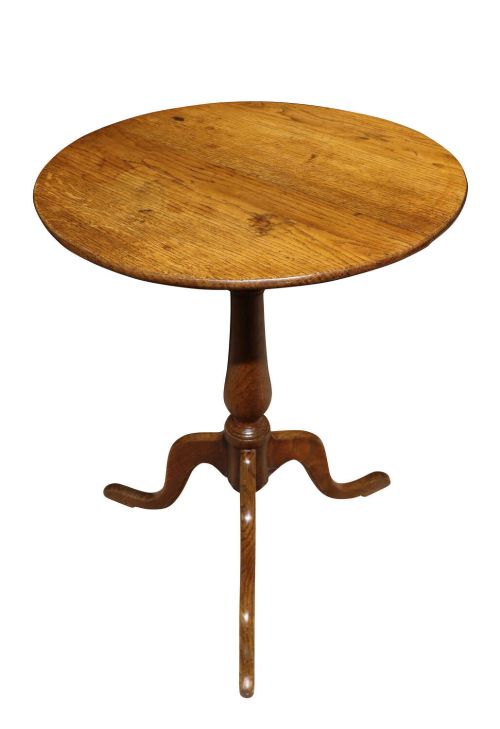
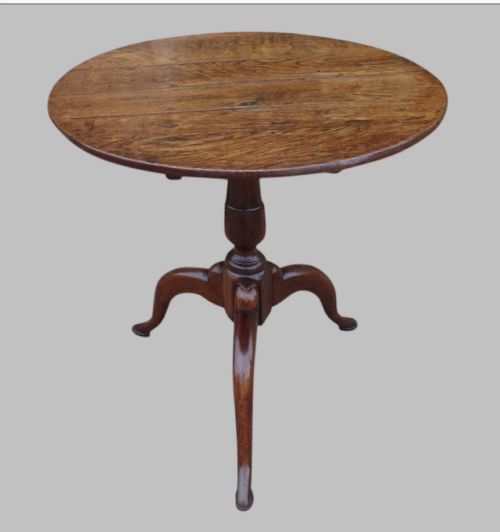
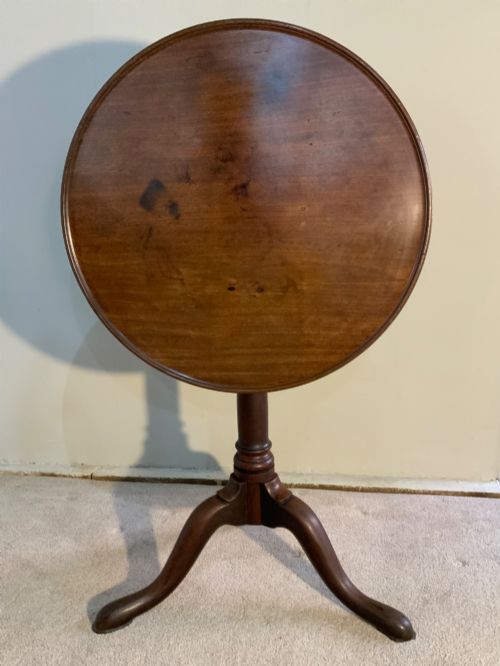
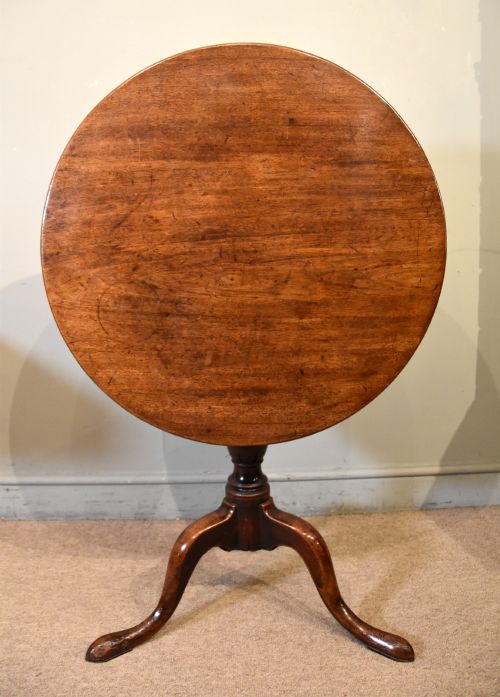
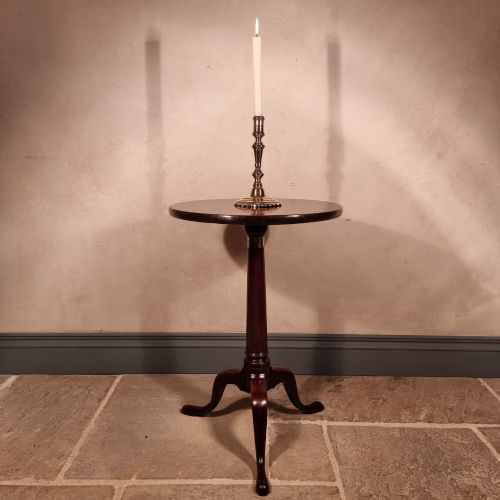
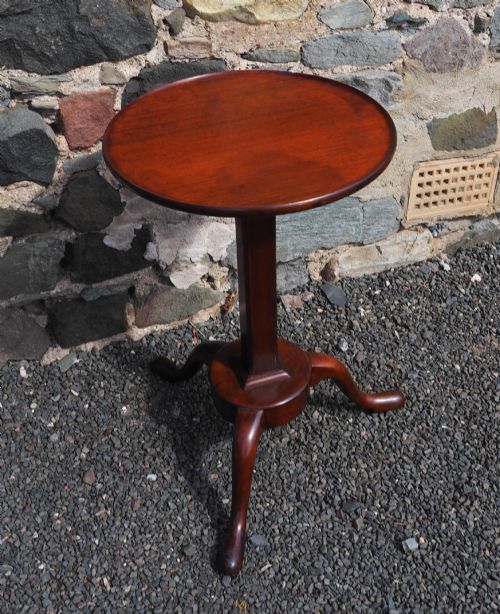
An 18th century wine stand generally takes the form of a small occasional table supported on a central pillar and three legs, often described in the evidence as a tripod table, wine table, or kettle stand. These pieces emerge predominantly from the Georgian period, spanning reigns such as George II and George III alongside regional vernacular interpretations.
Buyers meet variations ranging from simple country oak and elm examples to refined mahogany pieces built in the Chippendale taste or constructed from red walnut and burr oak. Alongside the circular and oval tripod tables, the evidence includes larger cellarettes, wine coolers on stands, and urn stands designed to hold drinking vessels.
The practical purpose centres on portability, allowing a small table to sit beside a chair for the evening glass of wine. Many examples incorporate a tilt top or birdcage mechanism so the surface can be folded away vertically when not in use.
Materials and Construction
Cabinet makers utilised dense native and imported timbers, relying heavily on mahogany, oak, elm, fruitwood, and red walnut to provide strength for slender columns and tripod legs. Brass appears frequently for handles, castors, and the distinctive bound bands found on larger wine coolers and jardinières.
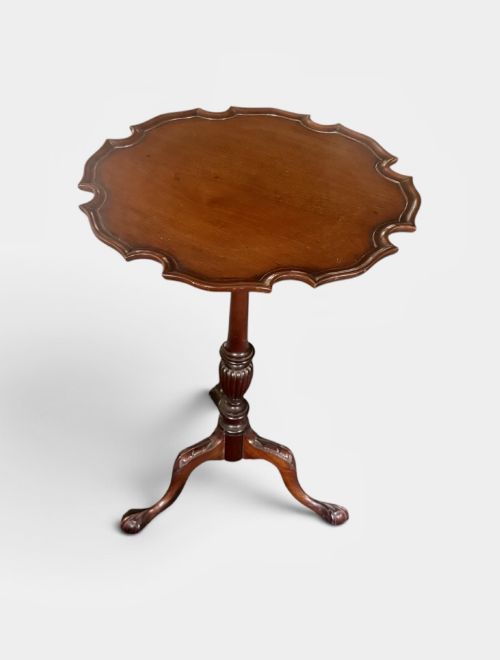
Joinery techniques focus on stability under a load, combining turned pillars with pegged or dovetailed leg joints. Surfaces often feature raised edges, shaped pie crust rims, or dish tops carved directly from solid timber rather than applied as separate mouldings.
A tilting top meant a hasty retreat for the household silver when the evening port ran dry.
Evaluating Execution
Quality rests upon the crispness of the timber carving, particularly on tripod legs, birdcage mechanisms, and pie crust borders where hand-shaping defines the silhouette. Timbers selected for rich grain figures, such as burr oak or figured mahogany, separate standard utility pieces from high-status examples.
Proportion and balance dictate the integrity of the stand, ensuring the slender column supports the tilting top without excessive play in the joints.
The 18th Century Wine Stand Glossary
- Tripod table
- A small occasional table supported by three legs radiating from a central pillar. This form dominates the selection of small tables from the Georgian period.
- Tilt top
- A tabletop mounted on a hinged block that allows the surface to pivot vertically. This mechanism enabled easy storage against a wall when the stand was not in use.
- Birdcage
- A revolving wooden framework beneath the tabletop that allows the surface to both tilt and rotate. It represents a more complex piece of joinery on better tables.
- Pie crust rim
- A raised edge carved into a scalloped, undulating profile resembling pastry work. It prevents items from sliding off the surface.
- Cellarette
- A freestanding timber box or chest lined for cooling bottles, sometimes mounted on a low stand. The evidence records brass-bound examples designed for formal dining rooms.
18th Century Wine Stand: Frequently Asked Questions
What is the difference between a wine table and a wine cooler?
A wine table is a small occasional table with a raised top designed to hold glasses and a bottle beside a chair. They utilise a slender pillar and tripod base for easy movement around a room.
A wine cooler or cellarette is a larger box or tub, often bound in brass, designed to hold multiple bottles on ice or keep them secure during dining. These rest on stands or low legs rather than functioning as portable small tables.
Why do some tables have tilting tops?
Tilting tops allowed households to clear floor space quickly after an evening meal or gathering. By releasing a catch or utilising a birdcage pivot, the servant or owner could tip the timber surface upright and push the stand against the wall.
This practical feature saved considerable space in period interiors where rooms served multiple functions throughout the day.
How do I tell early Georgian from later pieces?
Early Georgian pieces from around 1750 frequently showcase regional timbers like elm, fruitwood, and early oak alongside rich red walnut. Construction details tend to be heavier and more utilitarian in country vernacular examples.
Later George III items often display imported mahogany, more slender turned columns, and decorative carving influenced by Chippendale designs or shaped pie crust rims.
Where were these stands used in a home?
These stands functioned primarily as mobile furniture in sitting rooms, libraries, and drawing rooms where drinks were served. Their compact footprint allowed them to sit directly beside seating.
Some variations, such as urn stands and kettle stands, served specifically near tea tables or hearths to hold heated water vessels.