







18th Century Weaponry
These pieces of 18th century weaponry carry the heavy craft of global conflict, offering tangible history from flintlocks to samurai swords.
18th Century Weaponry
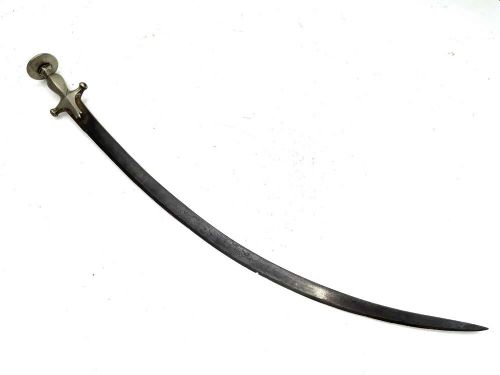
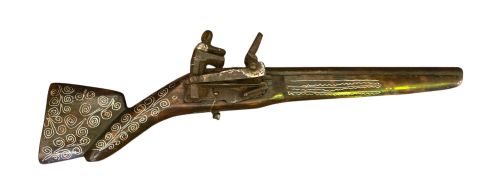
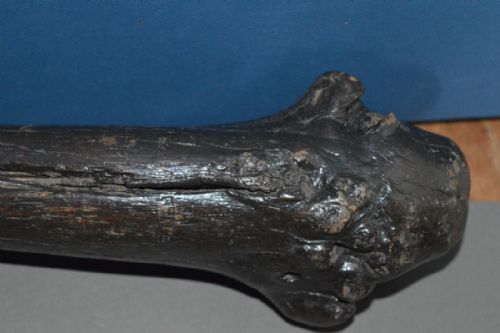
The objects reflect distinct military and cultural practices across Europe, Asia, and the Pacific during a turbulent era. Items range from ornate silver-mounted Irish pistols and Bosnian miquelet weapons to North Indian pesh kabz daggers and Fijian war clubs. Each piece demonstrates the specific tactical requirements and aesthetic traditions of its origin, whether European domestic production or Edo period craftsmanship.
Materials and Construction
Makers utilised combinations of forged steel, brass, and seasoned wood to build durable arms that could withstand active service. Stocks were fashioned from figured walnut, while barrels and mechanisms relied on robust iron and steel alloys. Brass mounts, silver inlays, and mother-of-pearl embellishments frequently adorned elite firearms and edged weapons.
Specialised items incorporated organic materials such as bone, ray skin, and lacquer for grips, scabbards, and accessories. Black powder deployment required functional containers, resulting in carved bone powder flasks alongside intricate metalwork. Artisans applied hand-engraved brass bands and silver wire inlay to secure structural components and enhance visual appeal.
18th Century Weaponry Retail Price Guide 2026
Typical asking prices for 18th century weaponry among the pieces listed under this phrase on Sellingantiques today, from the lower quarter to the upper quarter. They describe what is for sale here now, not the wider market.
The inventory combines European flintlock pistols with Indo-Persian daggers, Japanese samurai swords, and Pacific ethnographic war clubs.
Judging Quality and Execution
The standard of execution in 18th century weaponry rests upon the precision of the smith's forging and the integrity of the surviving mechanism. Superior examples display crisp chasing on metal mounts, tight-fitting wood stocks without major replacement parts, and balanced proportions. Inferior pieces often show heavy replacement components, sloppy repairs, or loss of original surface detail.
Artistic ornamentation also separates standard military-issue gear from high-status presentation pieces. Finely carved bone, intricate silver inlay, and signed lockplates indicate superior workshops and patron commissions. The preservation of original surface finishes, patination, and functional action defines the upper tier of collectors' items.
Timothy Hughes
The 18th Century Weaponry Glossary
- Flintlock
- A firearm ignition mechanism that uses a flint struck against a steel frizzen to create sparks. This system dominated military and civilian personal defence throughout the seventeen-hundreds.
- Wakizashi
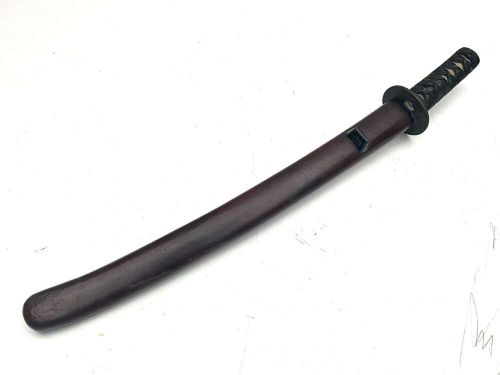
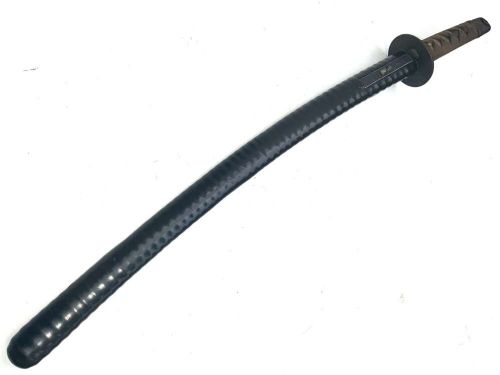
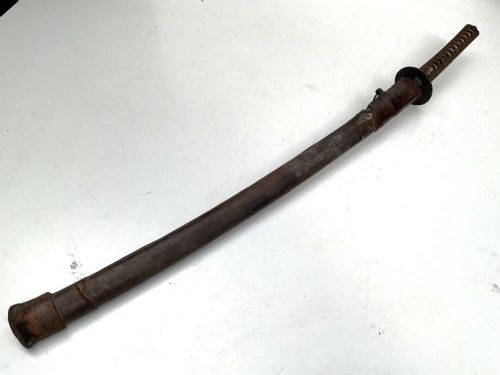
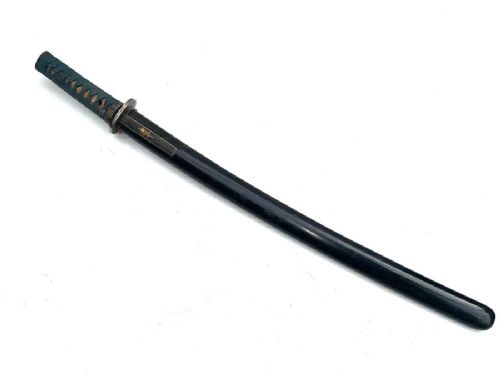
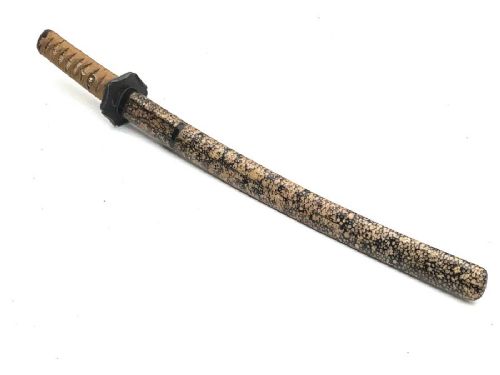
- A traditional Japanese short sword carried by samurai warriors alongside the longer katana. These blades date to the Edo period and exhibit folded steel construction.
- Pesh Kabz
- A single-edged Indo-Persian dagger with a distinct T-section spine for piercing mail armour. The handle scales are typically riveted to a full tang.
- Matchlock
- An early type of firearm where a slow-burning match is lowered into a touch-hole to ignite the powder charge. It represents the earliest mechanical ignition system for portable guns.
18th Century Weaponry: Frequently Asked Questions
How do I clean antique weapons?
Maintenance requires gentle removal of active rust using light mineral oil and soft cloths without altering the historical patina. Avoid harsh chemical cleaners or abrasive scouring pads that strip original finishes from metal and wood.
Store pieces in stable environments away from excessive humidity and direct sunlight to prevent wood shrinkage and further metal oxidation. Periodic light waxing of wooden stocks helps preserve the material integrity over time.
Are these old firearms still functional?
Most antique firearms listed here are sold as historic artefacts rather than working weapons for modern use. The mechanisms often suffer from metal fatigue, weakened springs, and internal wear accumulated over centuries.
Firing antique black powder arms poses significant safety risks due to potential barrel degradation and compromised structural integrity. Consult a qualified professional gunsmith before attempting any test firing.
How do I identify Ottoman pistols?
Ottoman firearms often display distinctive brass mountings, elongated stock shapes, and extensive silver wire inlay or coral embellishments. Regional variations include the characteristic rat-tail styling found on Bosnian examples.
Lock mechanisms on these pieces frequently employ the miquelet system rather than standard European interior lockplates, reflecting local manufacturing traditions.