





18th Century Trough
An 18th century trough brings solid stone, robust oak, and utilitarian history straight into modern gardens and interiors.
18th Century Trough
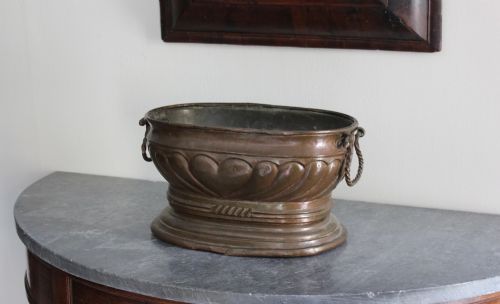
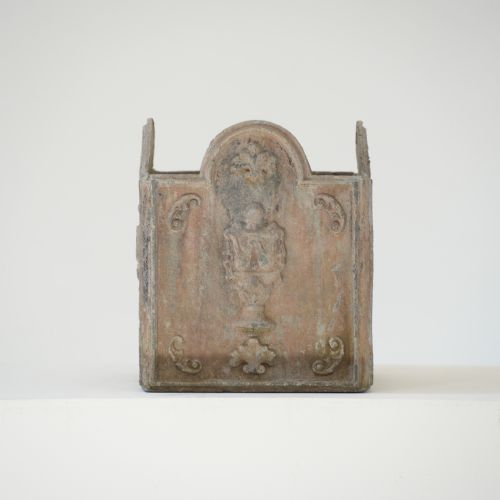
An 18th century trough is a heavy utilitarian vessel forged from granite, sandstone, or solid oak for daily agricultural and domestic labour. These pieces range from garden planters and cisterns to dough bins and kitchen vessels originating across Georgian England and Sweden.
Buyers looking for this phrase meet a mix of sturdy stone garden troughs and timber vernacular pieces like oak dough bins. The selection covers monumental exterior stone alongside domestic wooden containers designed for practical holding and storage.
The form adapts across regions, transitioning from British country vernacular to Scandinavian painted pine and granite. Each object retains the honest marks of its original agrarian purpose rather than delicate salon decoration.
How they were made
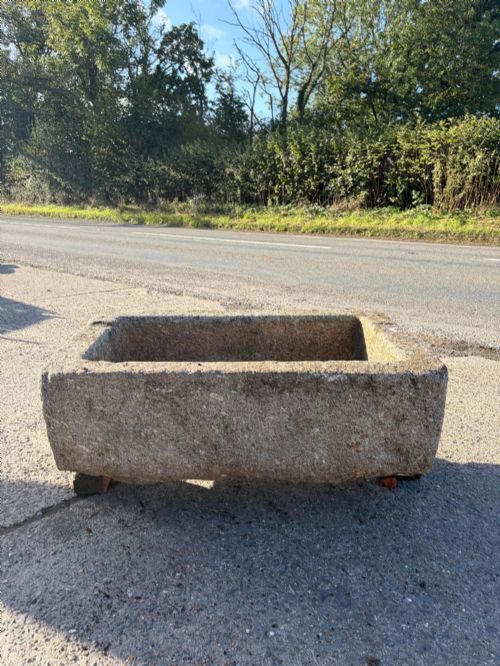
Masons shaped exterior stone troughs from dense blocks of granite and sandstone using hand chisels and mallets to carve deep rectangular cavities. This hard manual labour left distinct tool marks across the exterior walls of the vessel.
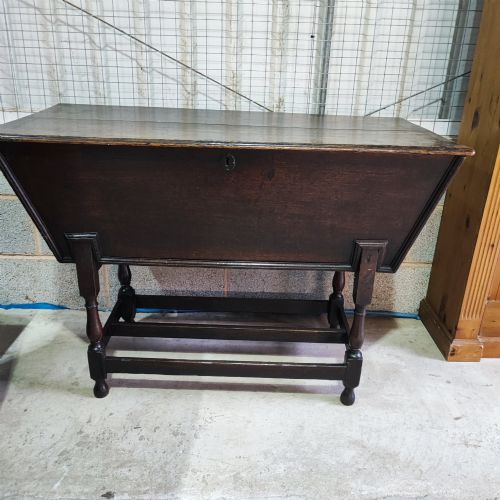
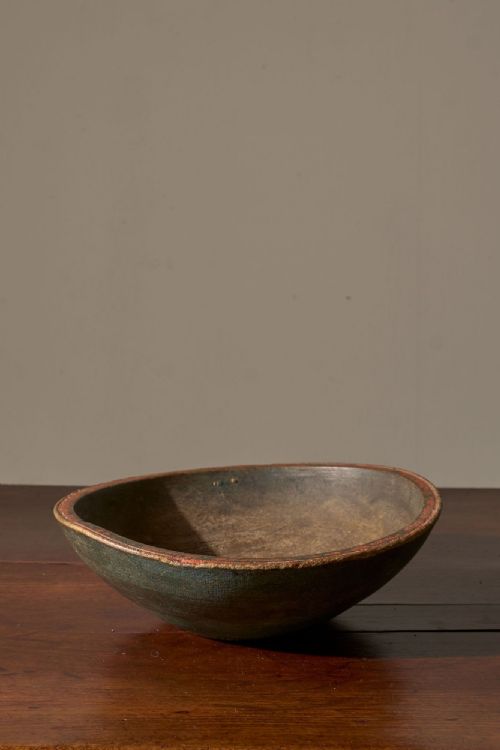
Carpenters constructed wooden dough bins and containers using solid oak boards joined with pegged mortise and tenon joints. These timber pieces relied on sturdy plank construction designed to withstand heavy daily handling in farmhouses.
18th Century Trough Retail Price Guide 2026
Typical asking prices for 18th century trough among the pieces listed under this phrase on Sellingantiques today, from the lower quarter to the upper quarter. They describe what is for sale here now, not the wider market.
Listings combine durable granite and sandstone garden troughs with solid oak vernacular dough bins from the 18th century.
What varies in quality
The quality of a stone trough rests in the integrity of its carved walls and the depth of its weathering over centuries. Thicker rims and well-balanced proportions separate utilitarian vessels made with care from crude utility blocks.
Timber examples depend on the survival of original surface finishes and the tightness of their structural joints. Pieces retaining unwarped oak boards and minimal timber replacement command stronger presence in any setting.
The 18th Century Trough Glossary
- Granite
- An igneous rock composed mainly of quartz and feldspar, prized for its extreme durability in outdoor troughs. This dense material resists frost and weathering over centuries of exterior placement.
- Sandstone
- A sedimentary rock formed from mineral particles, utilised widely for carved garden troughs and cisterns. It weathers with softer surface textures than granite.
- Dough bin
- A domestic wooden container with a lid used for proving bread dough in 18th century kitchens. These oak pieces double as compact storage furniture.
- Vernacular
- Architecture and objects created by local craftsmen using traditional methods and regional materials without academic design influence. This style prioritises practical utility above fashionable ornament.
- Cistern
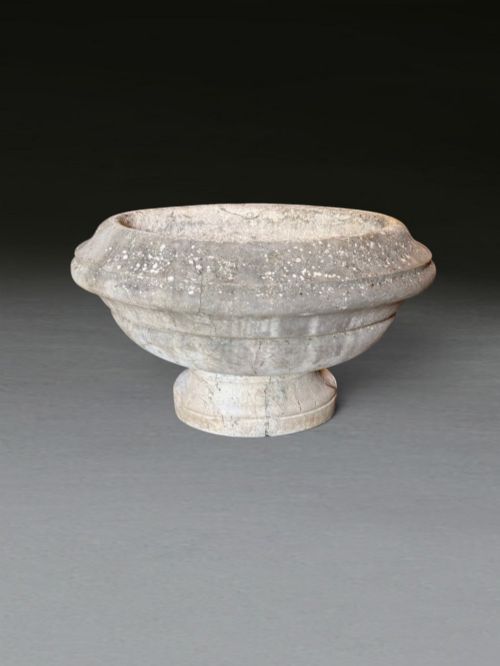
- A large open container designed for holding water or fluids, often carved from stone or lined with lead. In 18th century settings, these vessels served agricultural or garden functions.
18th Century Trough: Frequently Asked Questions
Can wooden dough bins live indoors?
Wooden dough bins fit naturally inside modern homes as side tables, blanket boxes, or hallway storage chests. Their solid oak construction makes them stable furniture pieces for everyday use.
Keeping them away from direct heat sources protects the antique timber from drying out or splitting. Natural wax applications help maintain the dry historic surface finish.
How do I spot a genuine 18th century stone trough?
Genuine 18th century stone troughs display hand-chiselled tool marks across their exterior surfaces rather than smooth machine-cut edges. Weathering patterns, including organic moss growth and mineral erosion, develop naturally over hundreds of years.
Weight and material density offer further clues, as older granite and sandstone pieces utilise local geological sources. Examining the corner joints and interior bottom contours reveals the manual labour of early stonemasons.
Where should I place a granite trough?
Granite troughs suit garden terraces, courtyards, and entranceways where their heavy stone presence anchors the landscape. They withstand freezing winter conditions without cracking, making them ideal for permanent outdoor planting.
Ensuring the surface sits level prevents strain on the stone when filled with heavy soil and wet earth. Planting them with low-growing perennials or ferns complements their historic character.