

18th Century Style Mirrors
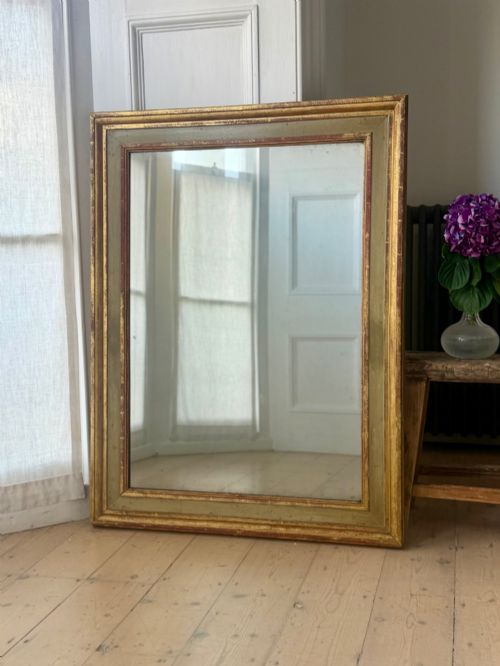
These 18th century style mirrors bring period character to a room through traditional carved frames and antique glass plates.
18th Century Style Mirrors
When you search for 18th century style mirrors, you encounter wall mirrors, dressing mirrors, and overmantel mirrors spanning multiple centuries and regions. The selection comprises genuine 18th century pieces alongside later reproductions created in Victorian and 19th century workshops.
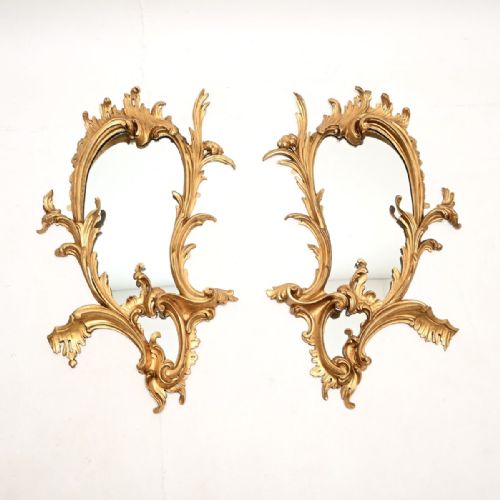
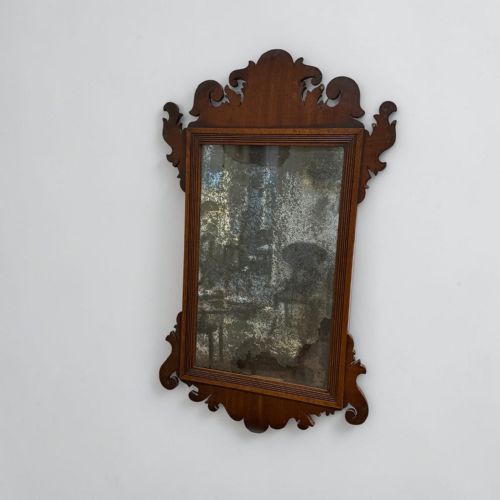
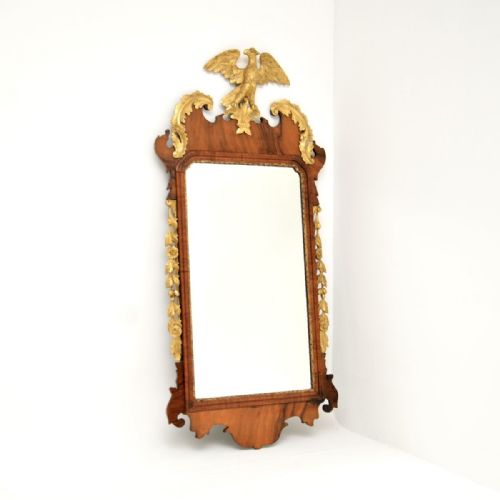
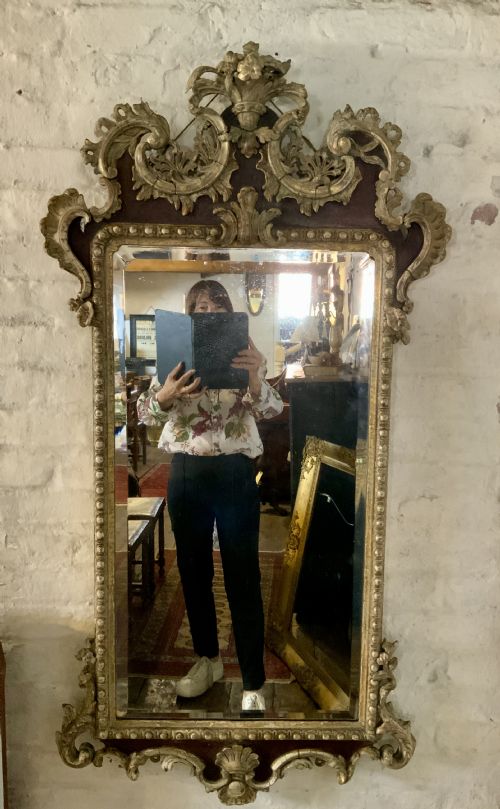
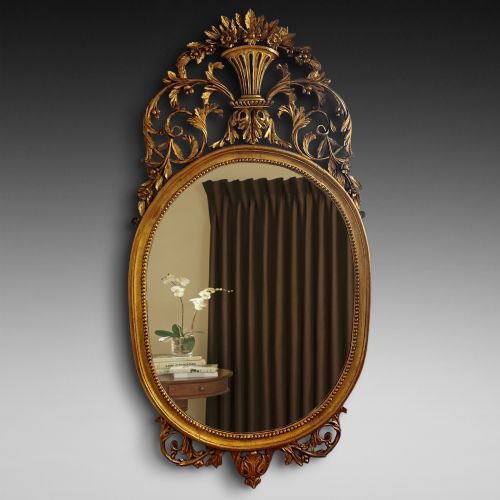
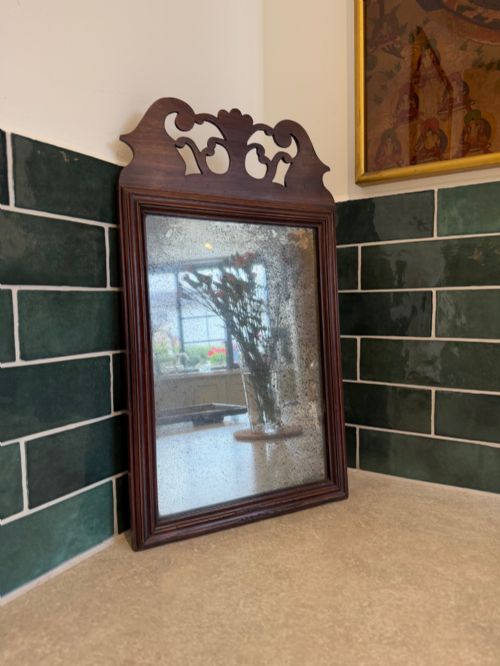
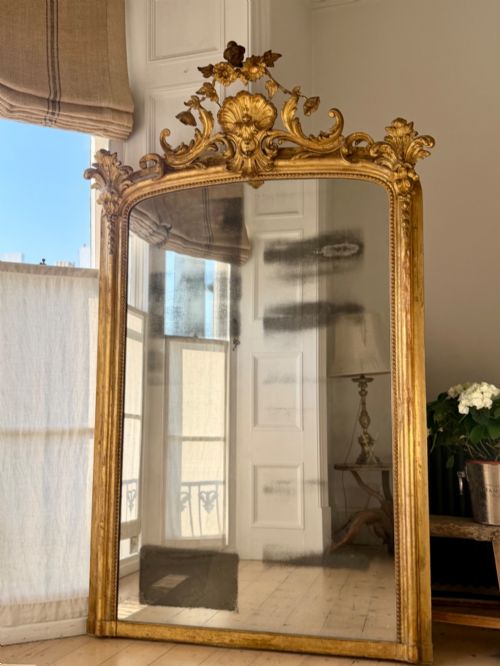
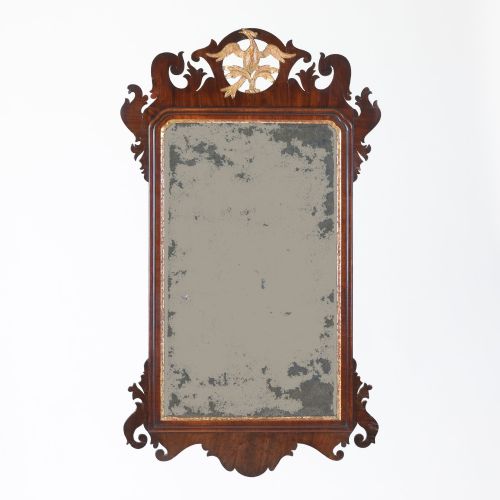
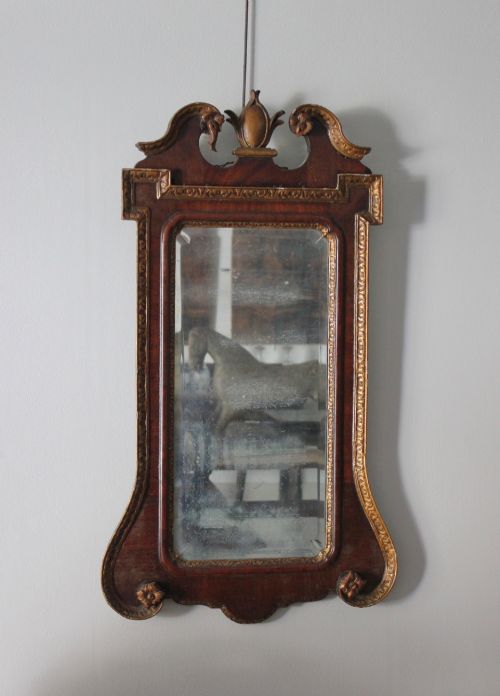
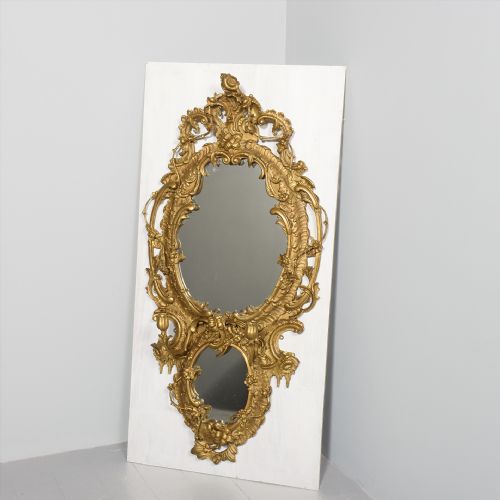
You are most likely to meet Georgian wall mirrors and French Rococo giltwood frames on this page. These forms range from simple mahogany fret-cut designs to ornate carved giltwood and parcel gilt walnut constructions.
Materials and construction methods
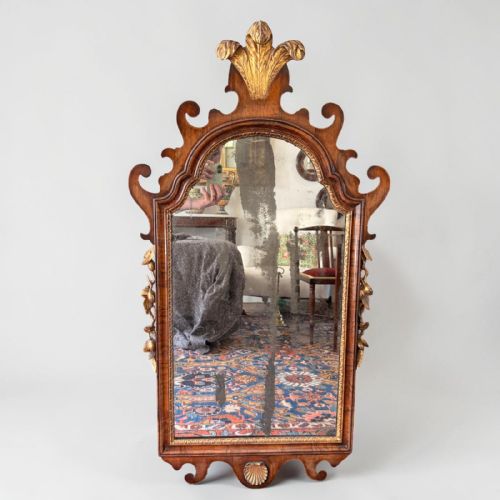
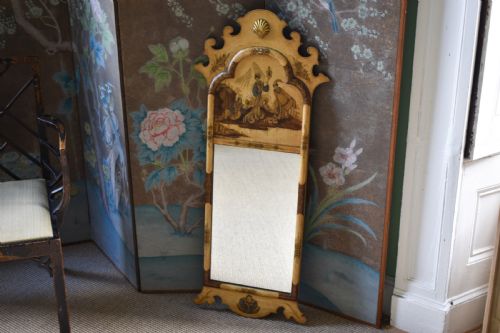
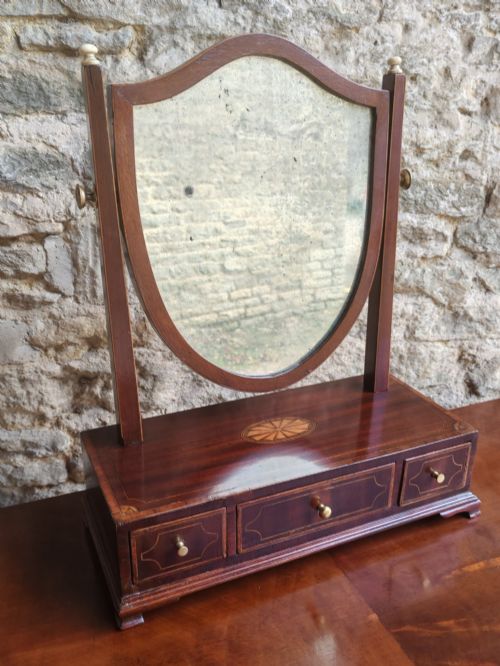
Frames rely on timbers such as mahogany, walnut, and carved wood, frequently finished with gesso and gold leaf or paint. Cabinet makers shaped mahogany and walnut veneers into architectural profiles and fretwork silhouettes.
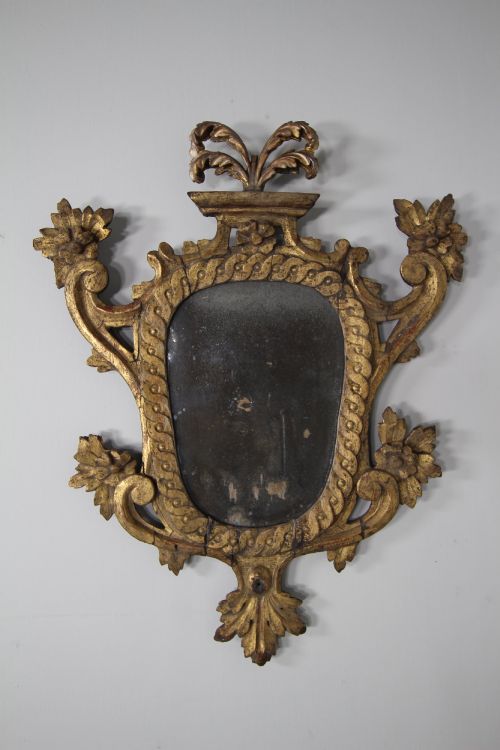
Giltwood and gilded wood surfaces receive thin layers of gold leaf applied over prepared gesso grounds. The glass components include mercury glass plates, some displaying foxing from age, alongside engraved plates.
Several Georgian mirrors incorporate whimsical ho-ho birds perched atop pierced fret-cut frames.
Quality differences across the range
Quality depends upon the crispness of the wood carving and the depth of the gilding on the gesso. Finer pieces display meticulously hand-carved details such as ho-ho birds and scrolling foliage rather than uniform machine-produced moulding.
The integrity of the original glass plate and the backing boards influences the standing of a piece. Earlier mirrors retain mercury glass plates with characteristic oxidation, while replacements alter the historic balance of the object.
The 18th Century Style Mirrors Glossary
- Giltwood
- Wood carved and coated with gold leaf. This finish defines many formal English and French wall mirrors.
- Parcel gilt
- Partially gilded timber where exposed wood grain remains visible alongside gold leaf accents. This technique highlights carved mouldings on walnut and mahogany frames.
- Mercury glass
- A silvering method utilising a mercury and tin amalgam poured behind glass plates. It produces a characteristic mottled reflection found in older pieces.
- Fret mirror
- A wall mirror featuring pierced woodwork cut with fretsaw patterns. These architectural designs frequently appear on Georgian mahogany frames.
- Overmantel mirror
- A large horizontal mirror designed to hang above a fireplace mantel. These substantial pieces often incorporate elaborate Rococo or Neoclassical framing.
18th Century Style Mirrors: Frequently Asked Questions
How do I date a mirror?
Examine the construction methods, backboards, and secondary timbers used in the frame. Hand-cut joinery and original fixings often point to earlier production periods.
Inspect the glass plate for signs of age, such as foxing, bevel angles, and distortion within the reflection. Mercury glass indicates greater antiquity, though plates can be replaced over time.
What is mercury glass?
Mercury glass refers to mirror plates silvered using a liquid mercury amalgam before modern chemical silvering processes were invented. This historical technique produces a softer, deeper reflection with characteristic dark spots.
Over centuries, the amalgam degrades unevenly, creating the foxed appearance prized by collectors. This ageing process distinguishes antique plates from modern float glass.
Where should I hang an overmantel mirror?
Hang an overmantel mirror securely above a fireplace mantelpiece to anchor the room's proportions. Ensure the wall structure and fixings can support the substantial weight of large giltwood frames.
Position the mirror to reflect natural light from windows opposite the fireplace. This placement brightens the interior space and creates a sense of depth.
Are these mirrors fragile?
These pieces require careful handling due to aged timber, delicate gesso mouldings, and heavy glass plates. Changes in room humidity can affect the stability of carved wooden frames and gilt surfaces.
Clean the glass gently with dry or lightly dampened cloths without spraying liquids near the frame joints. Protect the giltwood from direct sunlight and heat sources to prevent cracking.