
18th Century Style Marquetry
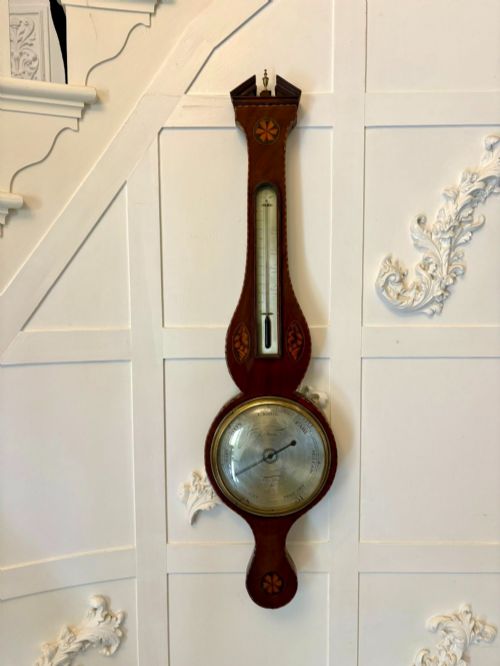
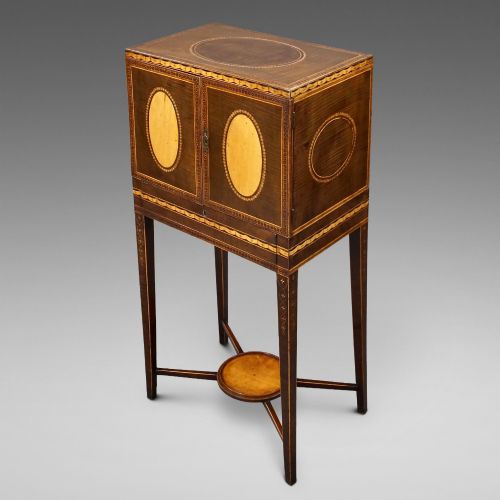
These pieces of 18th century style marquetry bring detailed wood inlay and period forms into a room.
18th Century Style Marquetry
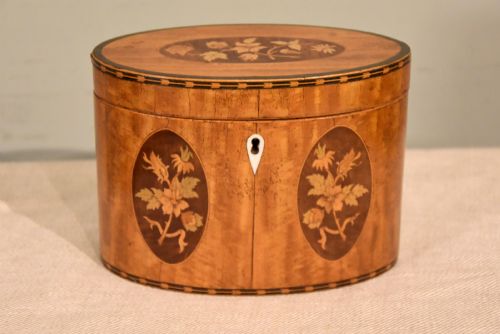
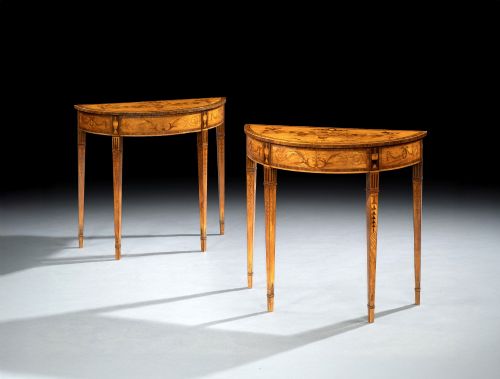
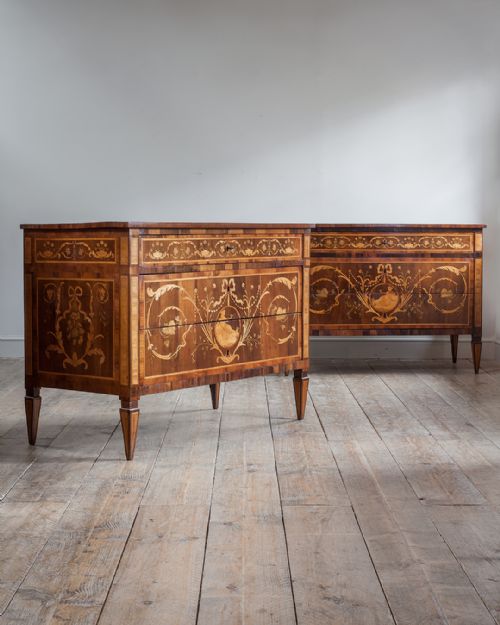
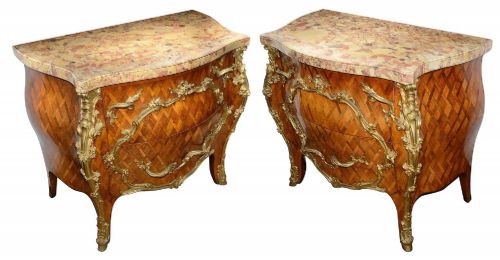
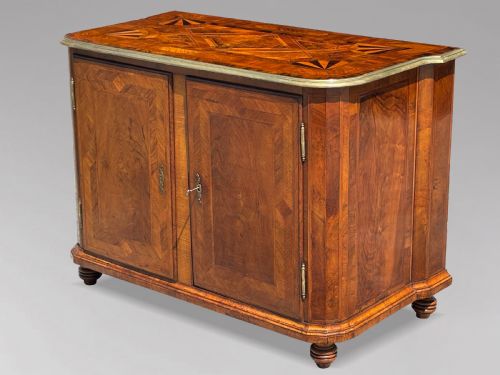
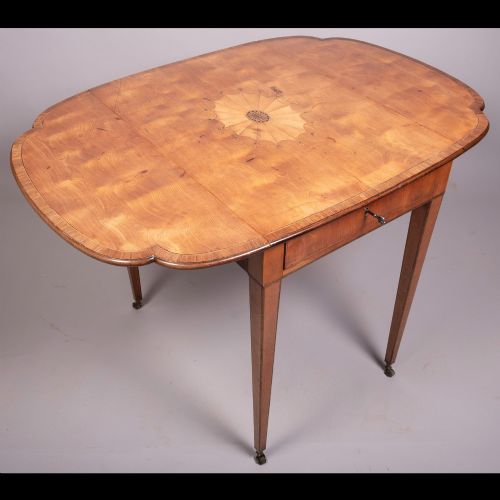
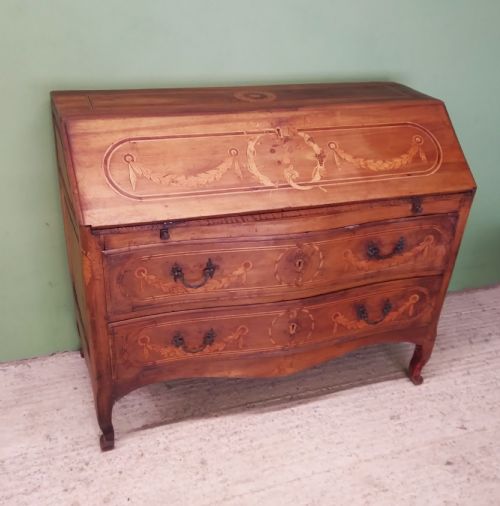
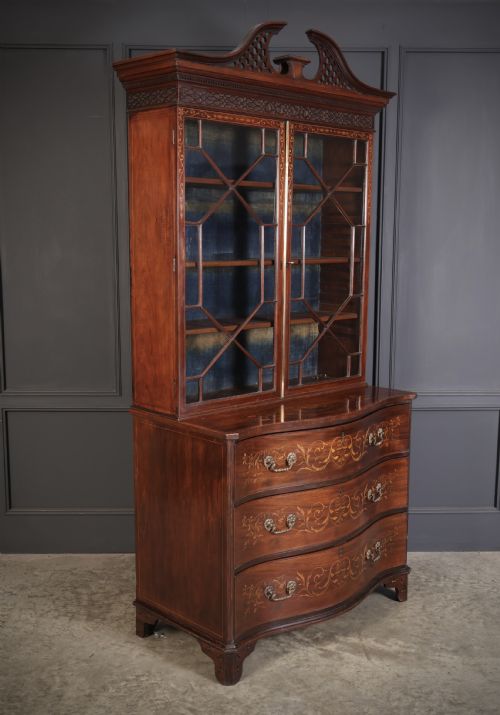
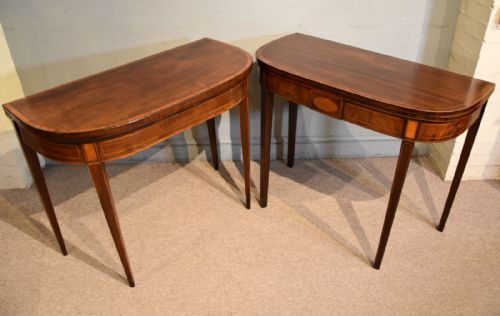
When you search for 18th century style marquetry, you encounter a range of functional furniture and small decorative objects originating from Georgian Britain, France, and the Netherlands. The selection includes tea caddies, card tables, side tables, and larger case pieces such as commodes, chests of drawers, and display cabinets.
The objects span actual eighteenth-century manufacture alongside later revival periods from the nineteenth and early twentieth centuries, notably incorporating Louis XV and Louis XVI French designs, Dutch Rococo, and George III British aesthetics.
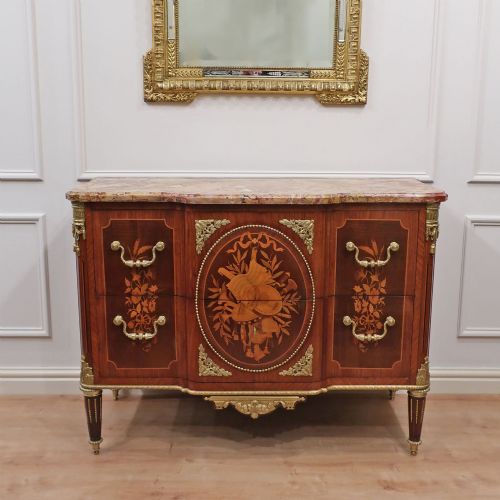
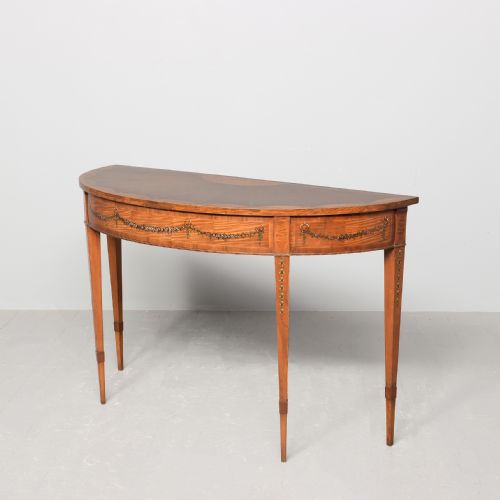
On this page, smaller items like tea caddies alongside larger side tables and commodes appear frequently, constructed from woods like satinwood, walnut, and mahogany.
Materials and construction
Cabinetmakers utilised primary structural timbers such as mahogany, walnut, and oak, applying decorative veneers of satinwood, harewood, kingwood, and rosewood across the surfaces. Marquetry panels were assembled by cutting intricate pictorial or geometric motifs from thin slices of contrasting woods, which were then fitted together and glued onto a carcase.
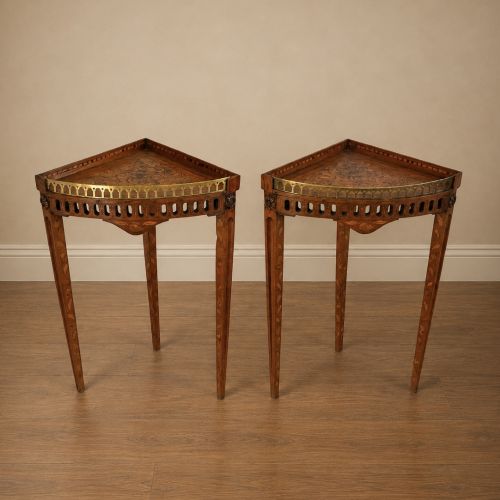
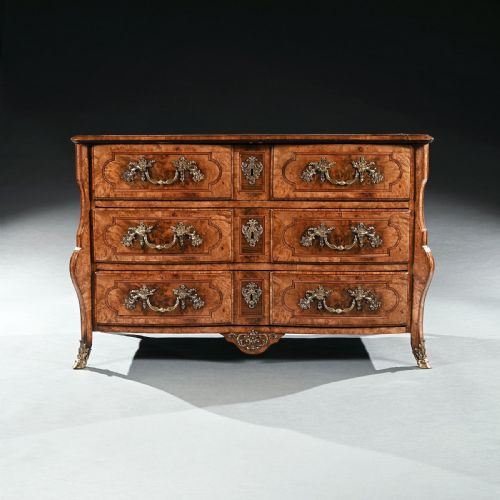
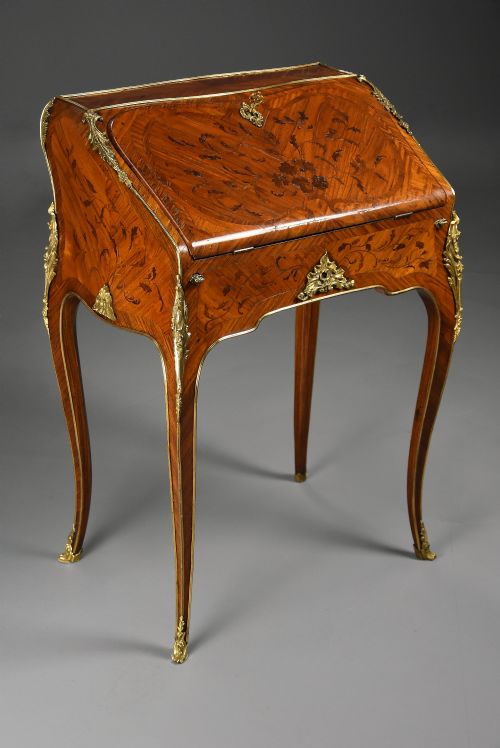
Many items incorporate additional decorative elements such as ormolu mounts, brass galleries, marble tops, and detailed shell or floral inlays executed in varied woods.
Tea leaves were so valuable in the eighteenth century that caddies often arrived fitted with locking lids to keep domestic staff from sampling the blend.
Distinctions in execution
The precision of the veneer cutting and the complexity of the inlaid designs dictate the visual standard of each piece. Tightly fitted marquetry joints without excessive filler indicate skilled workshop production.
The selection of cabinet timbers, the integration of matching secondary woods, and the quality of applied ormolu mounts or brass hardware distinguish standard output from exceptional examples.
Thomas Hache of Grenoble·BVRB
The 18th Century Style Marquetry Glossary
- Marquetry
- The art of applying pieces of veneer to a structure to form decorative patterns or pictures. It differs from inlay by covering the entire surface rather than being set into hollowed recesses.
- Veneer
- A thin slice of figured wood applied to a coarser timber base. This technique allows cabinetmakers to display rich grain patterns economically.
- Ormolu
- Gilt bronze mounted onto furniture as decorative handles, feet, or edging. It gained widespread use in French decorative arts.
- Demi-lune
- Half-moon shape used for tables designed to stand flat against a wall. This form occurs frequently in Georgian side and console tables.
- Commode
- A low chest of drawers or cabinet developed in France and adopted across Europe. They often feature serpentine fronts and marble tops.
18th Century Style Marquetry: Frequently Asked Questions
What is 18th century style marquetry?
These items are decorative furniture and decorative objects featuring patterned wood veneers cut into floral, geometric, or pictorial designs. They reflect the aesthetic preferences of Georgian Britain and continental European courts.
Cabinetmakers built these pieces using varied timbers such as walnut, satinwood, and kingwood, often finishing them with polished surfaces and bronze mounts.
How do I identify the period?
Dating requires examining the construction methods, secondary timbers, and the specific style of the marquetry patterns. Pieces from the original era show appropriate wood ageing and traditional joinery.
Later revival items from the nineteenth and twentieth centuries often emulate these earlier forms while retaining nineteenth-century manufacturing traits.
How were these pieces used?
Smaller items like tea caddies stored precious commodities in reception rooms, while card tables provided folding surfaces for evening entertainment. Commodes and display cabinets served for storage and the exhibition of valued possessions.
Larger sideboards and console tables functioned as serving furniture or architectural focal points within grand dining spaces and parlours.
How do I care for veneered furniture?
Veneered surfaces require stable indoor humidity levels and protection from direct sunlight to prevent the woods from fading or warping. Regular dusting with a soft, dry cloth preserves the polished finish.
Avoiding harsh chemical cleaners ensures the aged patination of the wood and the integrity of the glue beneath the veneer remain undisturbed.