

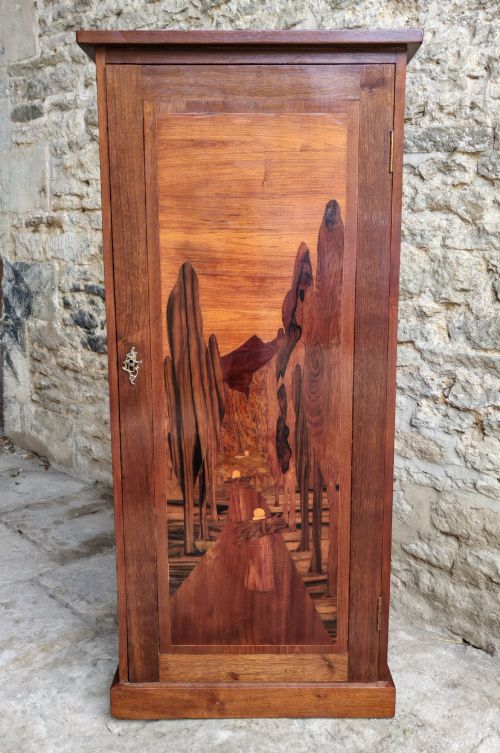


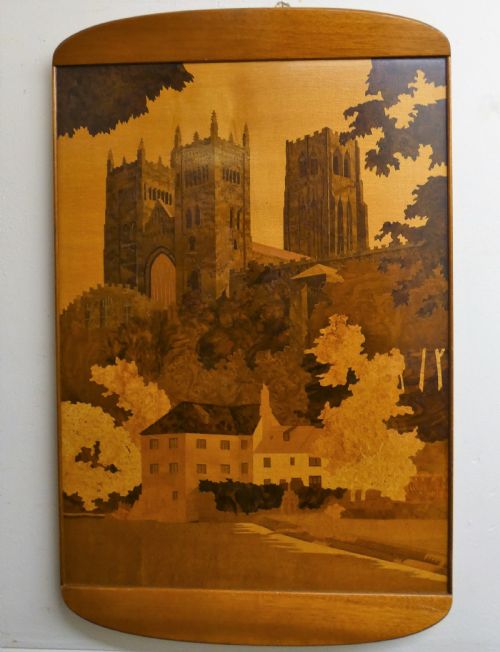
Brown Wood Inlaid Panel
These brown wood inlaid panel pieces bring warm timber tones and intricate surface detail into a room.
Brown Wood Inlaid Panel
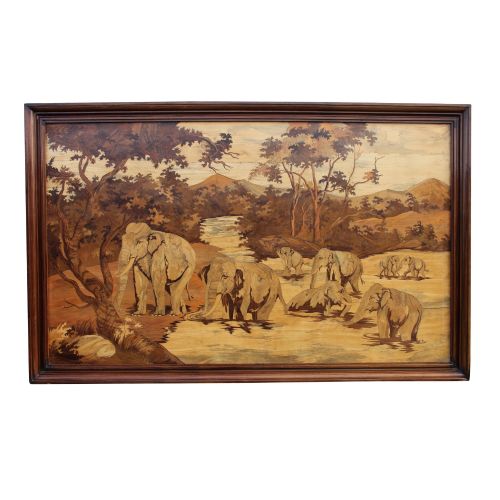
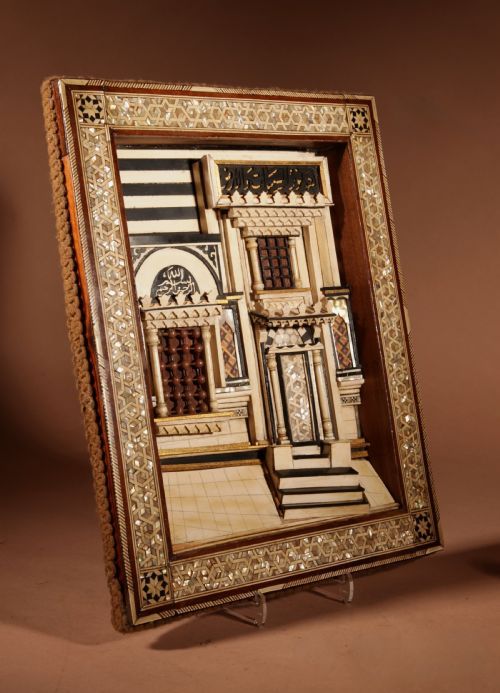
When you search for a brown wood inlaid panel, you encounter a diverse selection of decorative architectural fragments, furniture sections, and wall art spanning several centuries. The items range from Georgian linen presses and oak coffers to Indian elephant marquetry pieces and Moorish architectural dioramas.
You are most likely to meet wall panels, table screens, and cupboard doors constructed from dense timbers such as mahogany, rosewood, oak, and teak. These pieces showcase various regional decorative traditions, including Tunbridge Ware wood mosaic and Anglo-Indian marquetry.
The selection includes items originating from the seventeenth century through to mid-century modern examples. Each piece serves primarily as a decorative focal point or an architectural element integrated into furniture.
How they were made
Craftsmen built these items using a foundation of solid woods like oak, mahogany, and teak. Artisans then applied contrasting timber veneers and botanical elements, such as satinwood and rosewood, to create geometric or figurative designs.
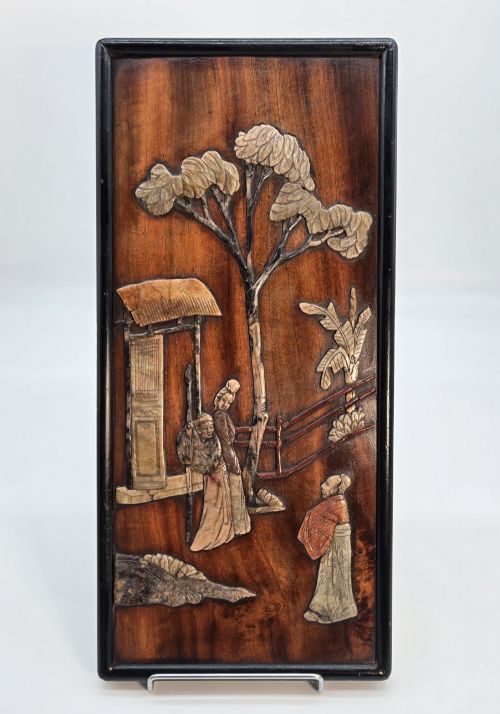
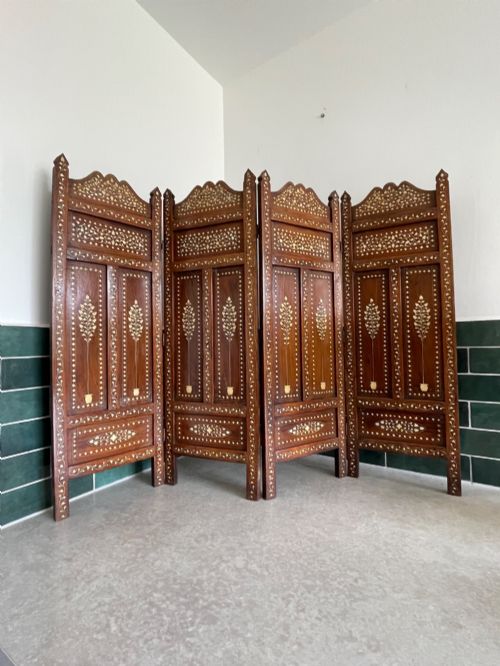
Inlaid techniques frequently incorporate brass wire or carved stone alongside wood veneers to build up complex surface patterns. Specialised workshops utilised marquetry and mosaic methods, exemplified by the detailed pictorial frames of Tunbridge Ware and the intricate foliage of Hoshiarpur screens.
Brown Wood Inlaid Panel Retail Price Guide 2026
Typical asking prices for brown wood inlaid panel among the pieces listed under this phrase on Sellingantiques today, from the lower quarter to the upper quarter. They describe what is for sale here now, not the wider market.
Listings feature oak, mahogany, rosewood, teak, and satinwood across periods from the seventeenth century to the twentieth century.
What varies in quality
The precision of the veneer cutting and the tightness of the joinery set finer examples apart from simpler items. Artisans who achieved flush, seamless transitions between contrasting timbers produced work that endures with greater visual cohesion.
The complexity of the pictorial design and the variety of contrasting woods employed signal the skill of the maker. Richly varied timber grains and intricate brass or wood inlay demonstrate a higher level of workshop expertise.
The Brown Wood Inlaid Panel Glossary
- Marquetry
- The art of applying pieces of veneer to a structure to form decorative patterns and pictures. This technique utilises the natural colours and grains of different timbers.
- Coffer
- A large wooden chest traditionally used for storage. These robust containers often feature carved panels and inlaid details on the front facade.
- Linen Press
- A tall piece of bedroom furniture designed for storing textiles and garments. Georgian iterations frequently combine upper cupboard storage with lower drawer sections and rich mahogany veneers.
- Diorama
- A three-dimensional architectural model or scene. Relief examples display prominent building facades and intricate surface carving.
Brown Wood Inlaid Panel: Frequently Asked Questions
Where were these wood panels displayed?
These items often served as architectural elements, wall art, or decorative inserts within larger cabinets and linen presses. They hung directly on walls or formed part of specialised furniture like table screens.
In period interiors, they added texture and focal points to principal rooms, drawing the eye to the contrasting timber grains and intricate inlay work.
How do I care for inlaid wood?
Keep wooden panels away from direct sunlight and extreme fluctuations in temperature to prevent the delicate veneers and brass inlays from lifting. Regular dusting with a soft, dry cloth maintains the surface.
Avoid excessive moisture and modern chemical polishes, applying traditional beeswax sparingly if the timber appears dry.
How can I tell the period?
Examining the underlying timber construction, secondary woods, and regional decorative motifs helps indicate the era of manufacture. Seventeenth-century examples typically display heavy carved oak, while nineteenth-century pieces often incorporate diverse exotic veneers and specialised mosaic work.
Stylistic cues such as Art Nouveau curves or Georgian proportions further narrow down the likely date of creation.
What is Anglo-Indian inlay?
This style combines traditional British furniture forms with indigenous Indian woodworking techniques. Artisans utilised dense timbers like teak and rosewood, embellished with intricate marquetry depicting animals, foliage, and geometric borders.
These pieces reflect the cultural exchange and trade connections of the nineteenth and early twentieth centuries.