

18th Century Style Artwork
18th century style artwork spans centuries of painted portraits, landscapes and classical scenes capturing grand aesthetics.
18th Century Style Artwork
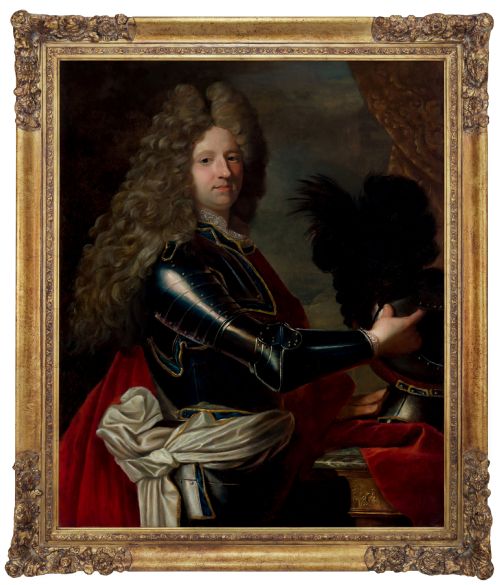
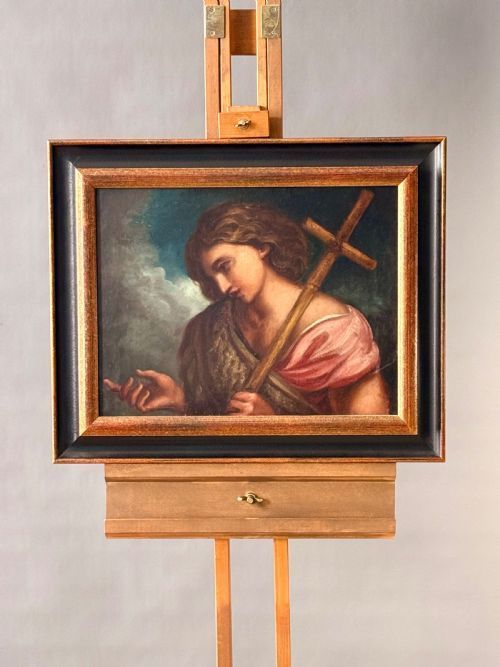
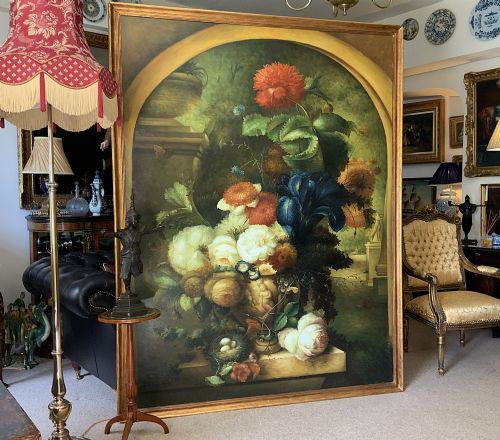
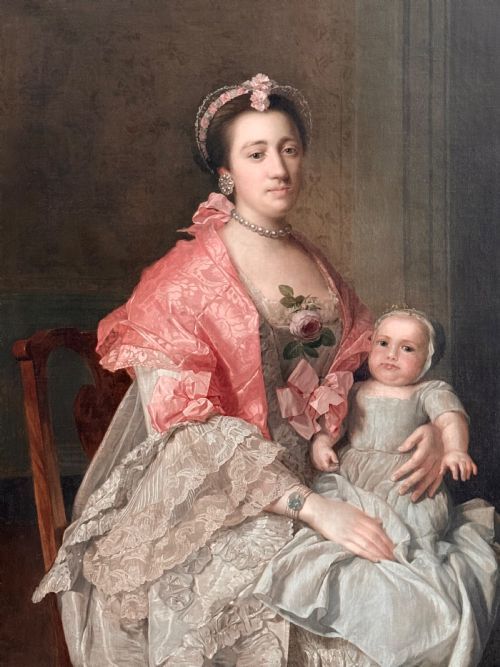
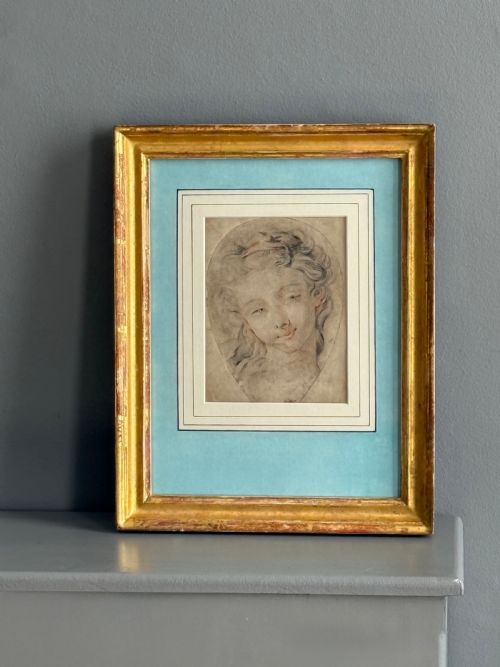
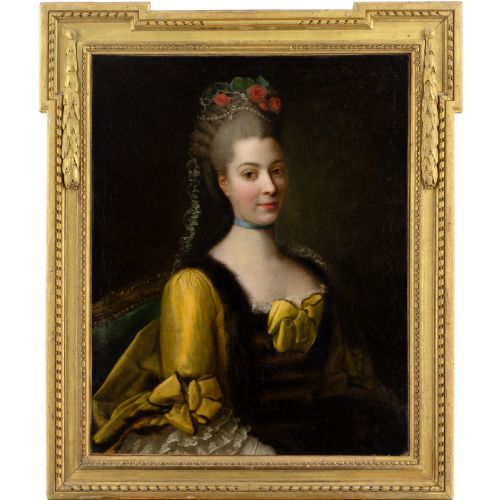
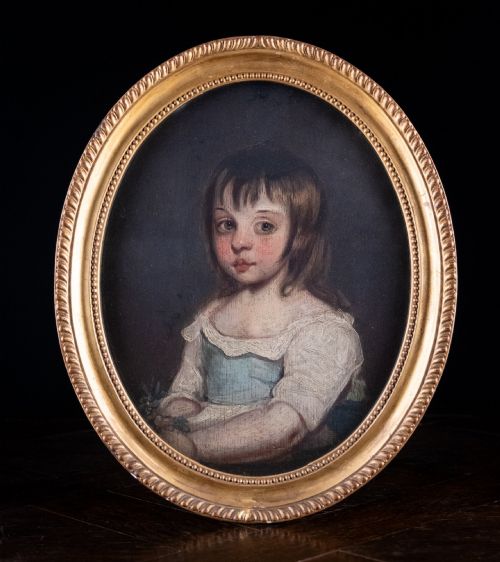
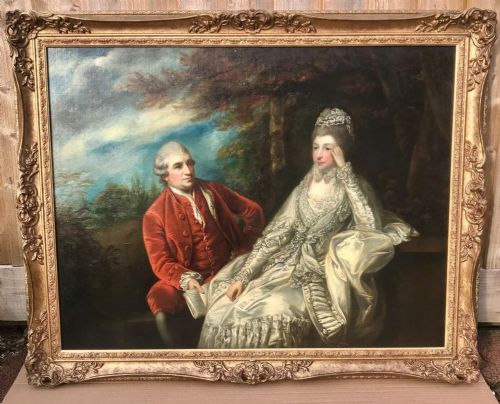
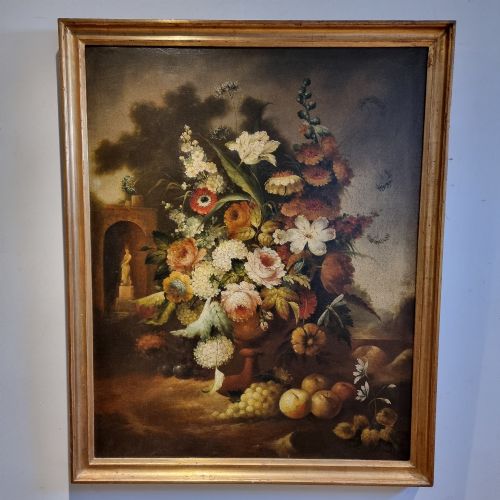
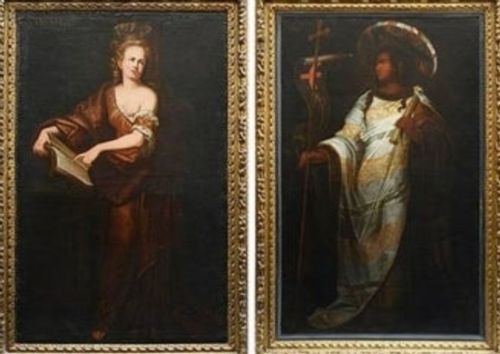
When searching for 18th century style artwork, a buyer encounters oil paintings, watercolours, framed prints and drawings produced across periods from the seventeenth century to the twentieth century. These pieces encompass classical subjects, portraits of noble figures, theological scenes, still lifes and Italianate landscapes.
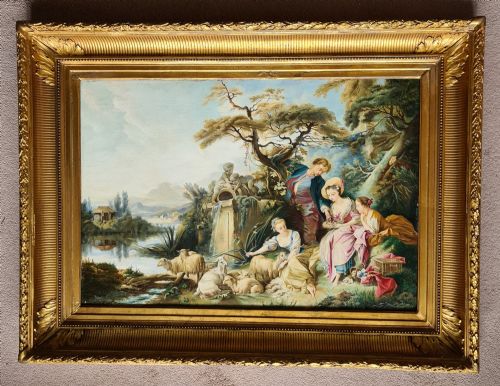
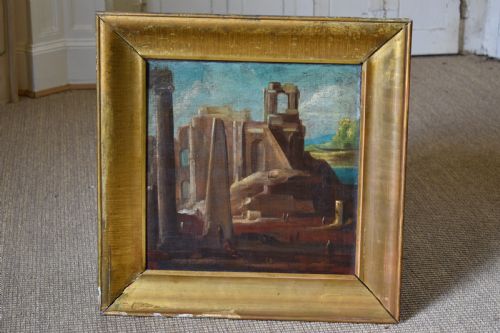
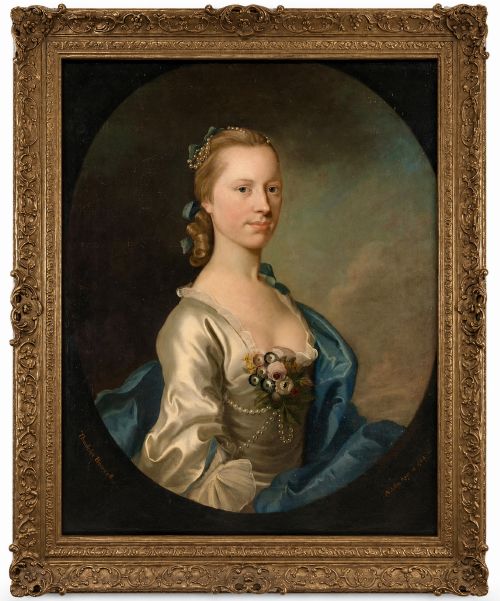
The versions most frequently met on this page include portraits in oil on canvas, Dutch School tavern interiors, grand tour landscapes and decorative paintings created in the manner of established historical artists. Many examples reflect the influence of French Rococo, Baroque and Neoclassical movements through their composition and subject matter.
The selection ranges from period works executed directly within historical centuries to later nineteenth-century interpretations and twentieth-century decorative pieces. Buyers find both intimate depictions of family members and large-scale canvases depicting historical or mythological narratives.
Materials and methods
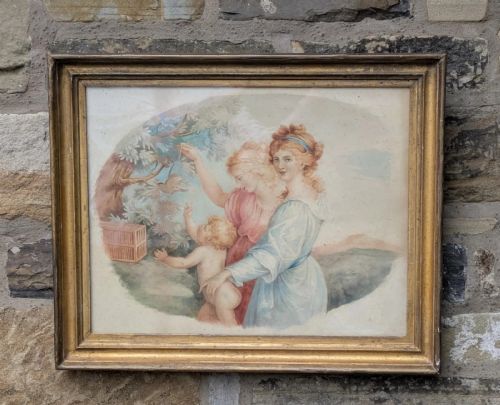
The works recorded in these listings rely primarily upon oil paint applied to canvas, wood panels or board substrates, complemented by watercolours, pastels and hand-coloured engravings on paper. Canvases are frequently housed within heavy giltwood or Hogarth frames that enhance the visual weight of the composition.
Techniques range from direct application by studio followers and regional schools to meticulous copying after masters such as Rembrandt, Boucher and Gainsborough. Pigments are layered to create depth in portraiture and landscape settings, occasionally accompanied by grisaille underpainting or polychrome highlights.
Aged dogs, exotic birds and cavalry skirmishes occasionally share canvas space with solemn aristocracy.
Distinctions in quality
Quality within this category relies on the surety of brushwork, the psychological depth of facial expressions in portraiture and the atmospheric balance within landscape scenes. Superior examples demonstrate confident handling of light and shadow, drapery and anatomical proportion that align with high-period academic standards.
Lesser items exhibit formulaic execution, stiff posture or generic background rendering that point to mass-produced or purely decorative studio output. The integrity of the original surface, the presence of period framing and the historical proximity to the referenced school also govern the standing of an individual piece.
Francois Boucher·Joshua Reynolds·David Teniers The Younger·Allan Ramsay·Jean-Baptiste van Loo·James Maubert·Jan Miel·George Morland·George Romney·Francesco Solimena·Philipp Peter Roos·Marmaduke Cradock·Jacob Bogdani·Nicolas De Largilliere·Michael Dahl·Joseph Highmore·John Simmons
The 18th Century Style Artwork Glossary
- Grisaille
- A painting executed entirely in shades of grey or neutral monochrome. This technique often served as an underpainting or stood alone as a decorative wall hanging.
- Grand Tour
- A traditional trip of Europe undertaken by upper-class European young men of sufficient status. Artwork acquired during these journeys typically featured Italianate landscapes and classical ruins.
- Dutch School
- A collective term for painting from the Netherlands during the golden age and subsequent periods. These works are noted for genre scenes, landscapes and meticulous realism.
- Giltwood
- Wood carved and coated with gold leaf or gold paint. This material was extensively utilised for ornate picture frames during the seventeenth and eighteenth centuries.
- Provenance
- The chronology of the ownership, custody or location of a historical item. A documented background establishes authenticity and historical context.
18th Century Style Artwork: Frequently Asked Questions
What defines 18th century style artwork?
These pieces include paintings and prints depicting formal portraits, classical landscapes, and religious themes created during or in imitation of the seventeen-hundreds.
They reflect the artistic movements of the era, such as Rococo, Baroque, and Neoclassicism, focusing on elegance and dramatic compositions.
Are these pieces painted in the eighteenth century?
The listings comprise works painted during the actual eighteenth century alongside later interpretations from the nineteenth and twentieth centuries.
Items created later are typically produced in the manner or style of earlier masters and historical schools.
How should I display framed paintings?
These works suit traditional interiors, libraries, and drawing rooms where historical oil paintings and gilt frames complement architectural moulding.
Placement should avoid direct sunlight and excessive humidity to preserve the oil paint and canvas over time.
What is an after artist painting?
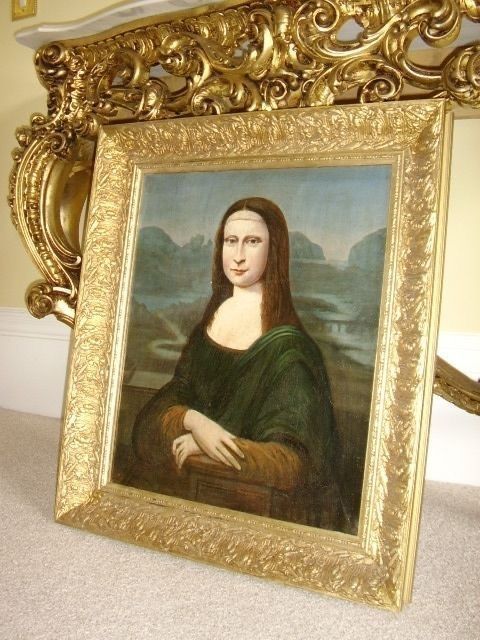
An after painting is a work created by an artist copying or reinterpreting a well-known composition by a master painter.
These pieces were common in artistic training and for collectors desiring representations of famous museum works.