

18th Century Scene Painting
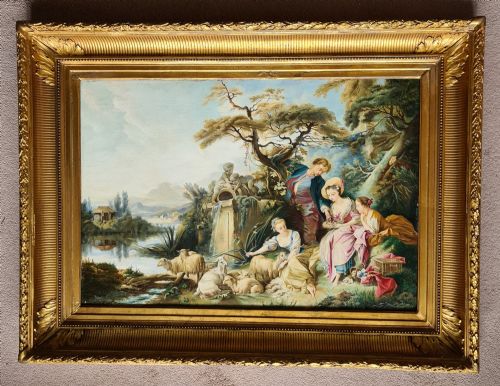
When you search for 18th century scene painting, you find framed narratives and pastoral compositions that capture period life on canvas, panel, and enamel.
18th Century Scene Painting
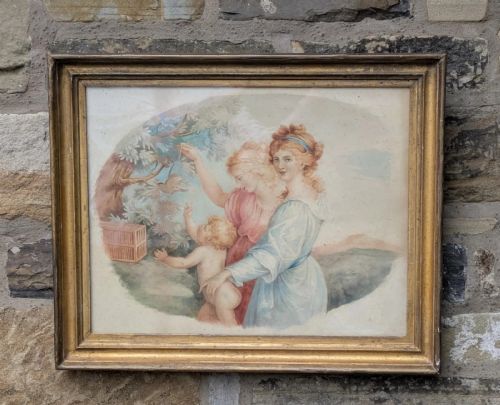
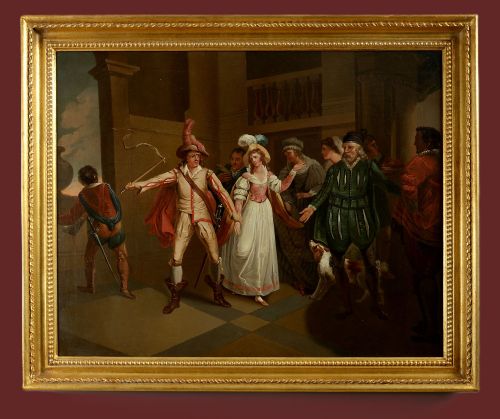
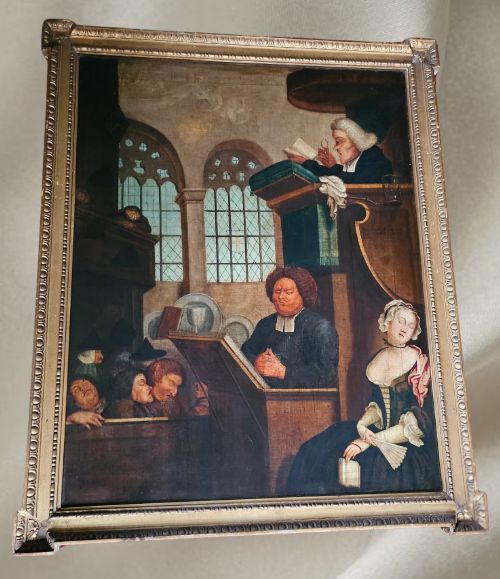
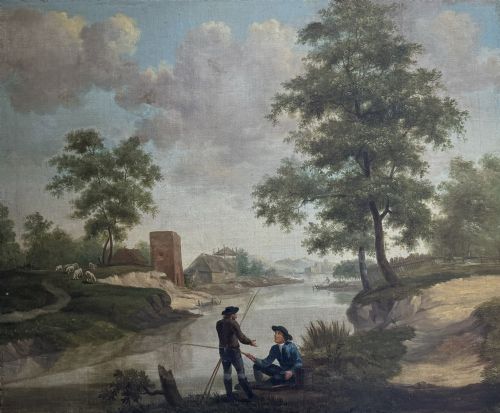
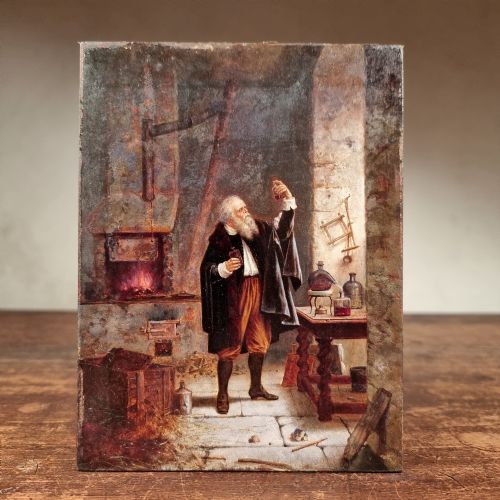
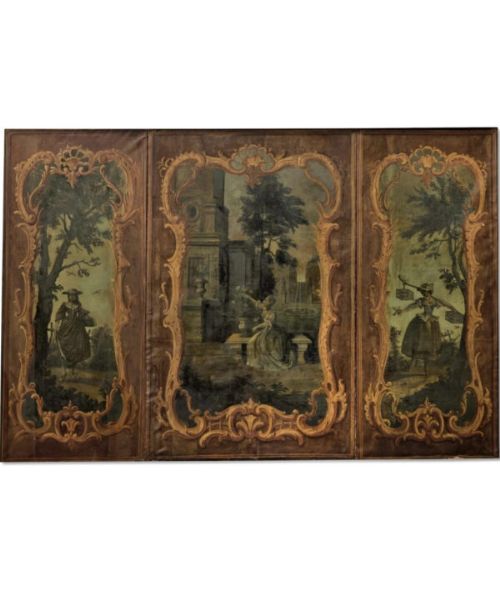
An 18th century scene painting encompasses oil on canvas, oil on panel, and watercolour works depicting rural landscapes, tavern interiors, and classical narratives. Buyers seek these pieces to bring period storytelling and traditional figurative compositions into domestic interiors.
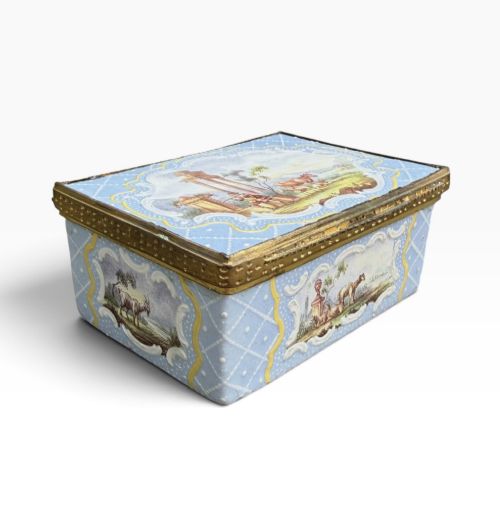
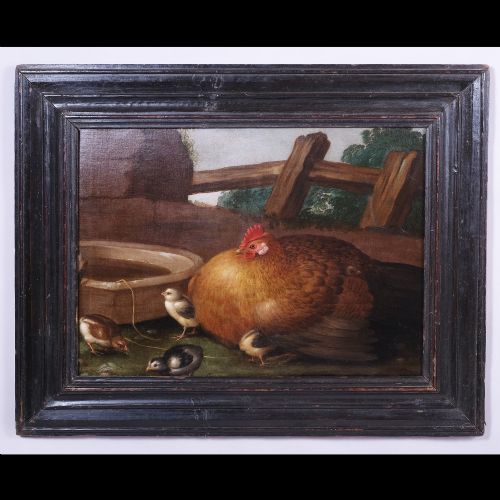
The selections available here range from small oil sketches on oak panels to grand scale canvas works and decorative enamel snuff boxes bearing miniature scenes. Pieces often reference the Dutch School, French Rococo style, or Italianate classical landscapes.
Originating predominantly from British, French, Dutch, and Italian makers, these works reflect the diverse aesthetic concerns of the Georgian era and subsequent revival periods. The common thread is a narrative focus on human figures within natural or domestic settings.
How They Were Made
Artists painted primarily with oil paint on stretched canvas or prepared oak panels, sometimes employing watercolour on paper for delicate compositions. Grounds were built up using traditional priming methods to support fine brushwork and glazing techniques.
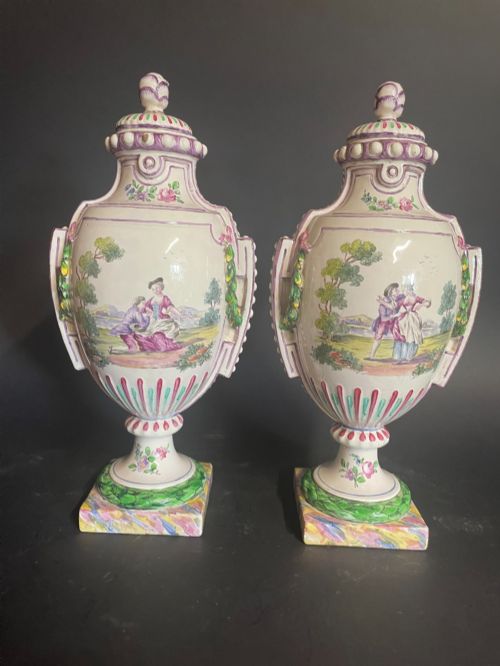
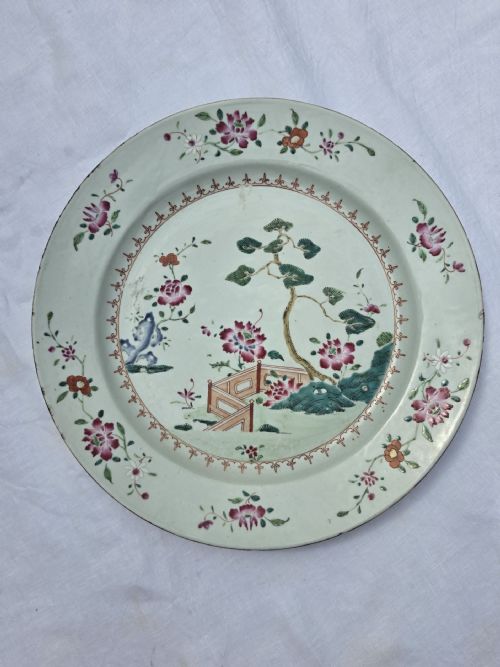
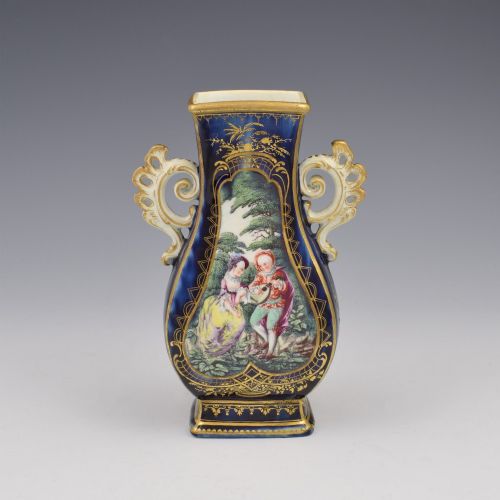
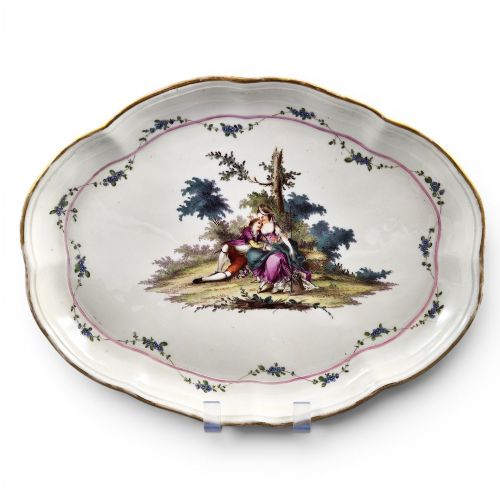
Enamel works utilised copper bases fused with powdered glass pigments, fired multiple times to achieve durable miniature scene paintings on objects like patch boxes and trays. Porcelain pieces incorporated hand-painted polychrome glazes fired at high temperatures in European and Chinese kilns.
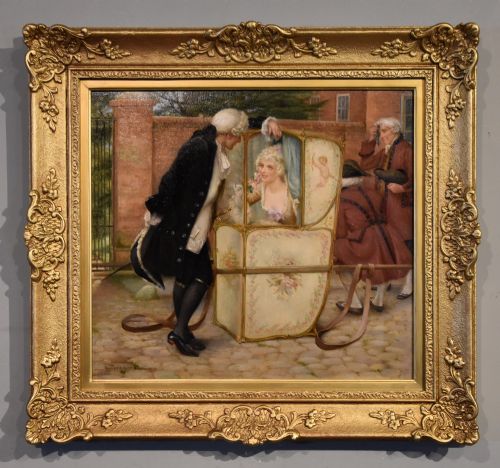
Frames matched the visual weight of the paintings, utilising carved giltwood and gold leaf construction to complement the canvas or panel. These housings often integrated decorative mouldings appropriate to the Georgian and Rococo periods.
Listings feature oil paintings, watercolours, porcelain chargers, and enamel snuff boxes spanning the 18th, 19th, and early 20th centuries.
What Varies in Quality
The strength of the composition and the fluidity of the brushwork distinguish superior figurative works from standard decorative pieces. Master painters achieved nuanced expressions and convincing spatial depth, whereas lesser works rely on stiff figures and flat perspective.
Condition of the original surface layer dictates preservation quality, with stable canvas tension and minimal overpainting retaining the artist's original touch. Panel paintings demonstrate varying degrees of wood stability, where secure joins and intact grounds preserve the integrity of the scene.
The execution of ancillary elements such as landscape backgrounds and architectural details reveals the hand of a trained artist versus a workshop assistant. Superior pieces maintain tonal harmony and confident draughtsmanship across every corner of the composition.
Francois Boucher·William Hogarth·David Teniers The Younger·Delapoer Downing·Joseph-Gaspard Robert·Benjamin Eugene Fichel·John Sanderson Wells·Philipp Peter Roos·Claude Lorrain·Francis Wheatley·J Laporte·George Morland·Frank Moss Bennett·Quirijn Van Brekelenkamp·Julius Caesar Ibbetson·Jan Evert Morel
The 18th Century Scene Painting Glossary
- Oil on Canvas
- Pigment suspended in drying oil applied to a woven fabric support. This combination allowed artists to create rich textures and subtle tonal gradations.
- Panel Painting
- Artwork executed on a flat piece of wood, most commonly oak during the 18th century. Wooden supports provided a rigid foundation for minute detail work.
- Grisaille
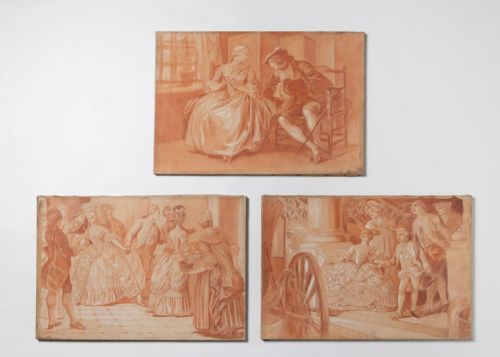
- A painting executed entirely in shades of grey or neutral monochrome. This technique often simulated sculptural reliefs or served as an underpainting for later colour glazes.
- Faience
- Tin-glazed earthenware produced in Europe, frequently decorated with hand-painted pastoral or classical scenes. The opaque white glaze provided a smooth background for polychrome pigments.
- Trumeau
- A decorative mirror or panel placed above a mantelpiece or between windows. In 18th century interiors, these integrated painted scenes within carved giltwood frames.
18th Century Scene Painting: Frequently Asked Questions
What defines an 18th century scene painting?
These works depict human activity, whether in a rustic farmyard, a Dutch tavern, or a classical landscape. They combine narrative storytelling with period artistic conventions.
The category spans oil on canvas, watercolour, and painted enamel objects. Each piece captures daily life, mythology, or polite society from the Georgian period.
How do I identify a panel painting?
Panel paintings use solid wood supports, typically oak, rather than woven canvas. You can often see the natural grain or board construction inspecting the reverse.
Artists favoured wood panels for smaller, highly detailed works because the rigid surface allowed for precise brushwork and stable glazing.
Where were Bilston enamel scenes made?
Bilston enamel pieces originated in Staffordshire workshops during the 18th century. Artisans painted miniature scenes directly onto fused glass and copper.
These painted boxes served practical functions for snuff or patches while displaying accomplished decorative artwork on a miniature scale.
How should I display an antique oil painting?
Keep paintings away from direct sunlight and rapid temperature fluctuations to protect the canvas and oil pigments. Stable indoor environments prevent warping in wooden panels and frames.
Pair the work with appropriate period lighting to highlight the brushwork without generating excessive heat near the surface.