

18th Century Rococo Canvas
An 18th century rococo canvas brings the theatrical elegance of the European Enlightenment into a room through oil paint and brushwork.
18th Century Rococo Canvas
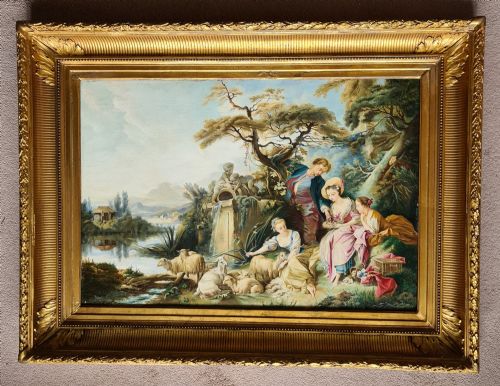
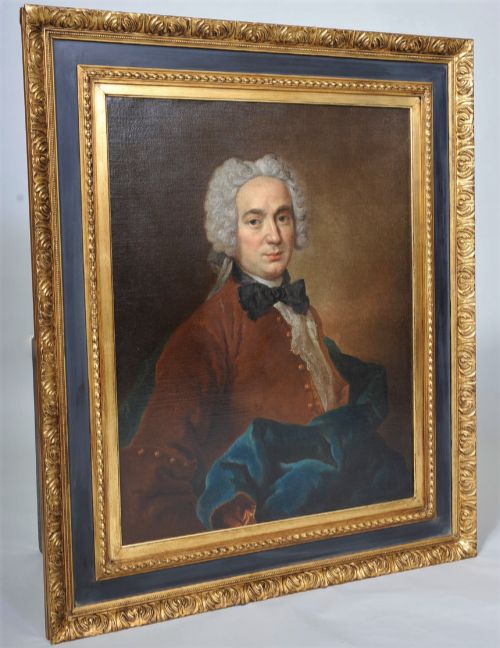
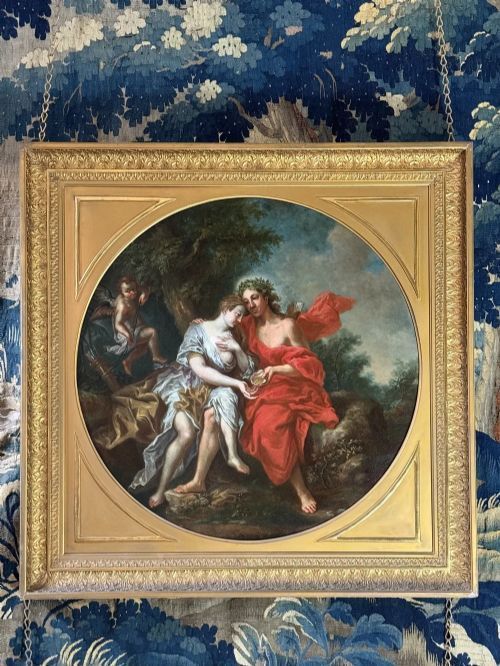
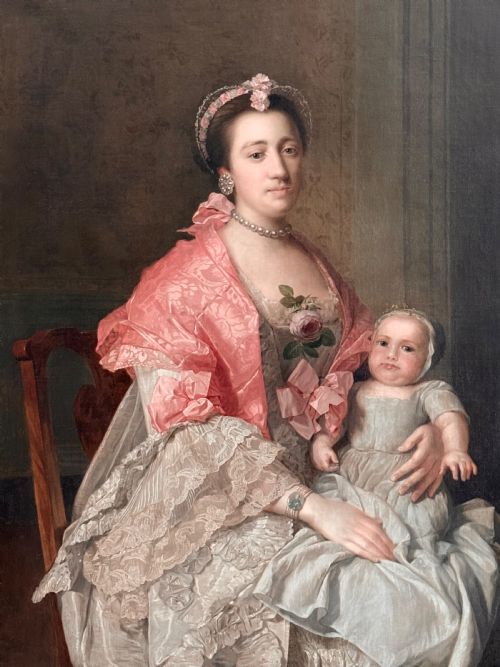
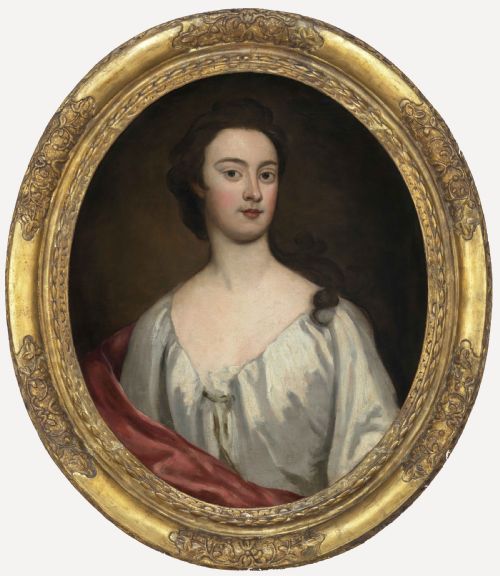
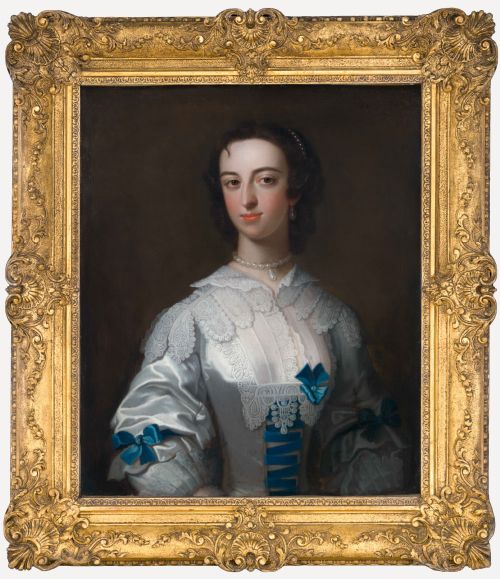
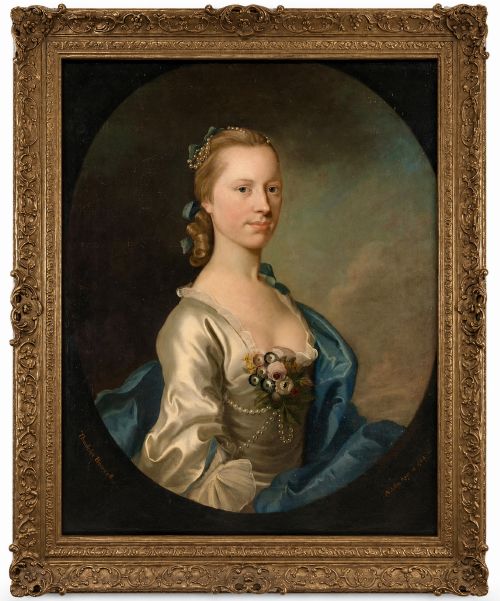
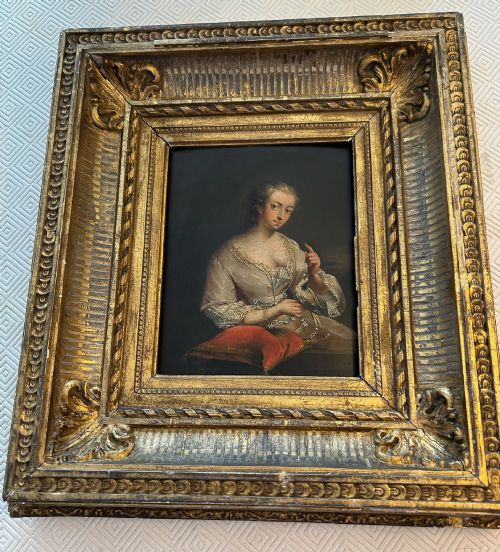
When searching for an 18th century rococo canvas, a buyer is looking at fine art paintings, portraits, and wall hangings created during the Georgian and 18th-century periods. These works frequently showcase ornate portraiture, mythological scenes, and decorative panels associated with French Rococo and Baroque styles.
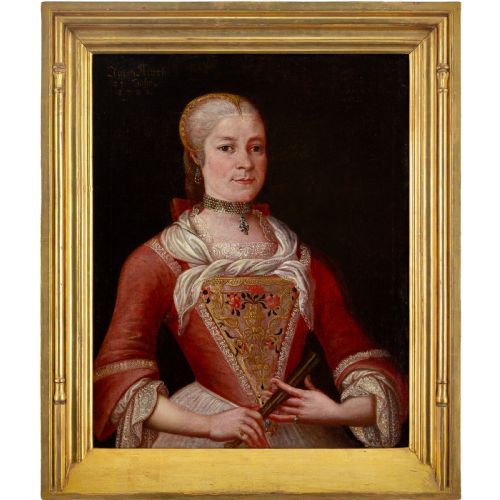
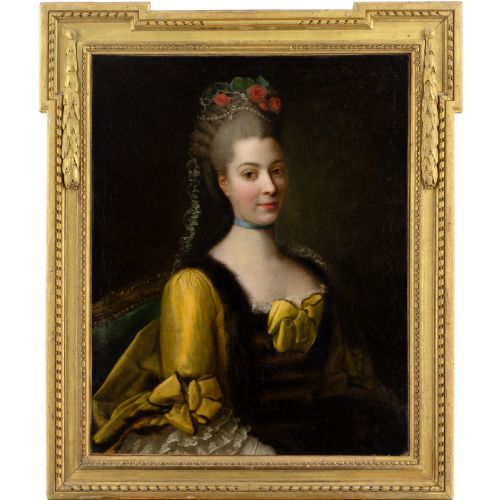
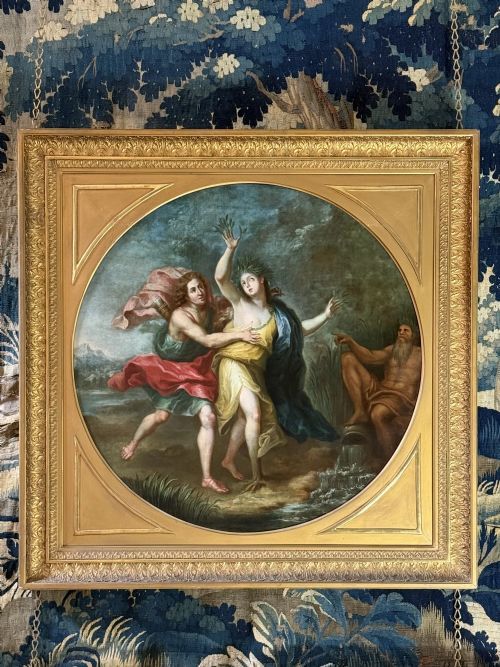
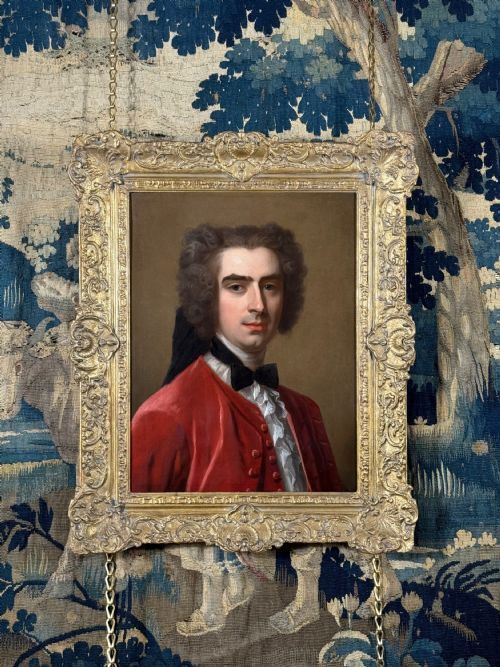
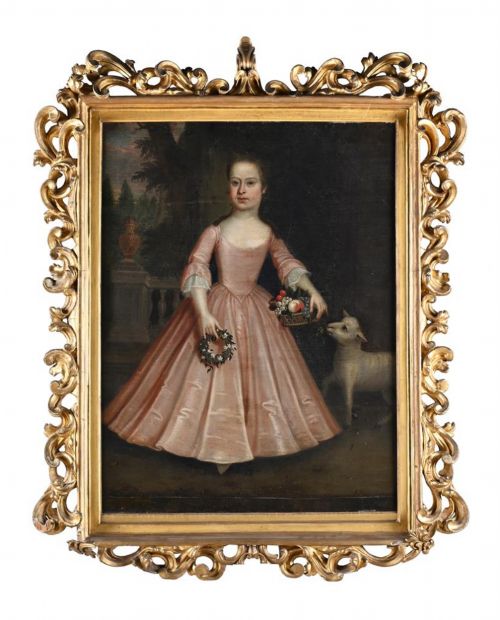
The versions most likely to be met on this page include mid-18th-century portraits of aristocratic ladies and gentlemen, classical oil paintings, and religious subjects originating from French, German, Bavarian, and Venetian schools. Alongside authentic period pieces, the selection also incorporates later revivals and works after established masters.
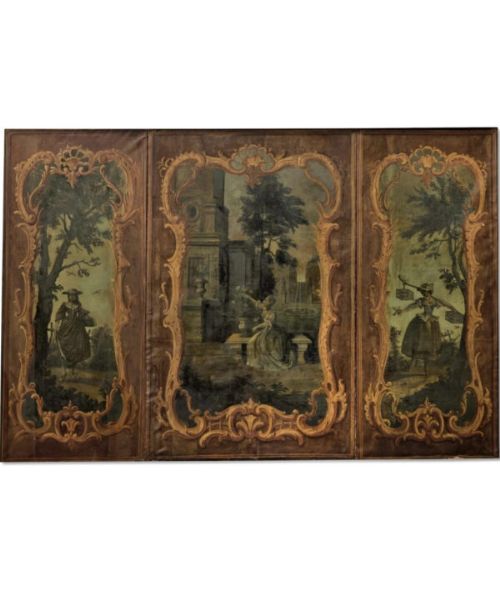
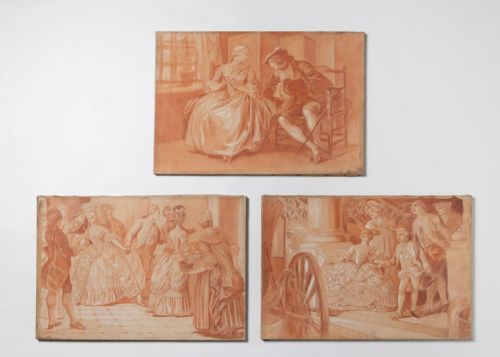
The forms extend beyond traditional framed pictures to include grand grisaille triptychs and folding screens. These diverse formats demonstrate how canvas was utilised for both intimate domestic decoration and sweeping architectural wall art during the period.
Materials and technique
These works are executed primarily in oil paint applied to woven canvas supports, utilising the rich pigment handling characteristic of the period. Artists built up compositions through layered oils to achieve deep drapery tones, delicate flesh tints, and subtle tonal gradations in works such as camaieu bleu grisaille paintings.
Many surviving pieces retain their original mounting or are housed within complementary gilded wood frames known as giltwood. The combination of oil on canvas with carved wooden framing creates the characteristic opulent visual weight associated with 18th-century decorative schemes.
Materials recorded across the inventory include oil paint, canvas, wood, and gilded wood frames.
Variations in quality
The preservation of the pigment layer and the structural integrity of the original canvas weave significantly influence the visual impact of a piece. Finer examples maintain crisp detailing in lace, armour, and background elements without excessive overpaint or heavy restoration obscuring the creator's hand.
CHARLES-ANTOINE COYPEL·JEAN-BAPTISTE VAN LOO·SIR ALLAN RAMSAY·Jeremiah Davison·Henry Pickering·Jean-Baptiste Greuze·Nicolas Fouché·Pierre Gobert·Christian Lindner·Jean-Antoine Watteau·Pompeo Batoni·Francois Boucher·Philip Mercier·Balthasar Denner·Edward Alcock
The 18th Century Rococo Canvas Glossary
- Grisaille
- A painting executed entirely in shades of grey or neutral monochrome, frequently used to imitate sculptural reliefs or architectural stonework.
- Giltwood
- Wood that has been coated with gold leaf or gold paint, commonly forming the ornate frames that encase period canvases.
- Camaieu
- A monochromatic painting method where a single colour other than grey is used throughout the composition to create tonal depth.
- Triptych
- A picture or carving on three panels, often hinged together side by side to display a central subject flanked by two folding wings.
- Jabot
- A decorative frill or lace trim attached to the front of a shirt, frequently observed in mid-18th-century portraiture.
18th Century Rococo Canvas: Frequently Asked Questions
How do I identify a true period canvas?
Examine the weave of the fabric and the stretcher frames behind the painting, as older canvases display hand-woven irregularities distinct from modern machine-milled textiles. Ground layers and craquelure patterns in the oil paint also offer physical evidence of age.
Compare the stylistic attributes, clothing styles, and wig designs against documented portraiture from specific decades like the 1740s or 1750s. Archival records and artist attributions further clarify the exact period of origin.
Where were these paintings displayed originally?
These canvases hung primarily within the reception rooms, long galleries, and private chambers of European chateaux, townhouses, and country estates. Grand grisaille works and triptychs often functioned as permanent wall hangings integrated directly into interior decorative panelling.
Smaller portraits and mythological scenes were positioned to catch natural light in domestic spaces designed for entertaining guests. Folding screens served both a decorative function and a practical purpose in managing draughts within large rooms.
How should I care for an antique canvas?
Keep the painting away from direct sunlight, high humidity, and rapid temperature fluctuations to prevent the oil paint from cracking or the canvas from warping. Environmental stability is the single most important factor in preserving organic paint layers.
Dust the surface very gently with a soft, dry brush and avoid using liquid cleaners or household solvents on the delicate paint layer. Professional conservation should be sought if structural repairs to the canvas or frame become necessary.
What subjects are most common in these works?
Portraiture dominates the selection, featuring aristocratic ladies, gentlemen in scarlet jackets or armour, children with pets, and artists in their studios. These commissions recorded family lineages and personal status.
Mythological and religious narratives, such as classical deities or scenes from biblical texts, also appear frequently. These allegorical themes reflected the classical education and refined tastes of 18th-century patrons.