



18th Century Profile
These 18th century profile works capture likenesses through silhouettes, cameos, and painted studies that reveal Georgian portraiture at its most intimate.
18th Century Profile
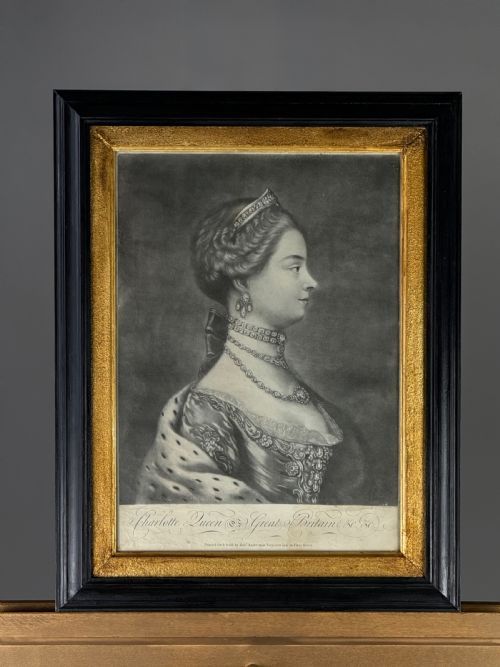
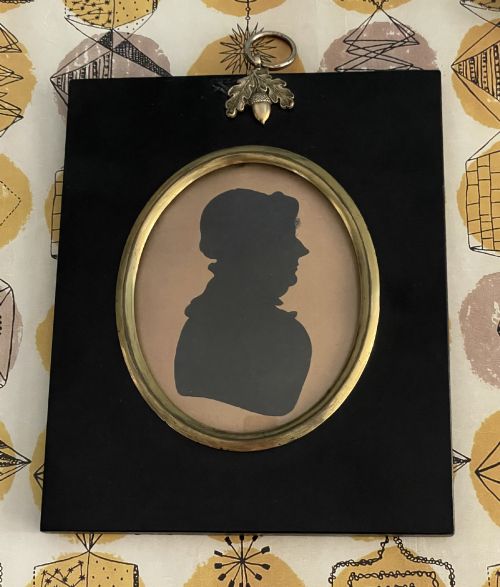
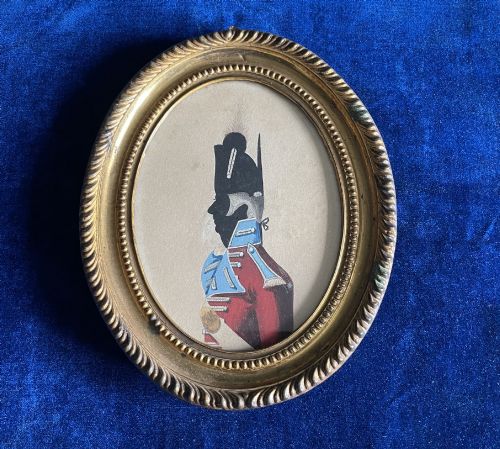
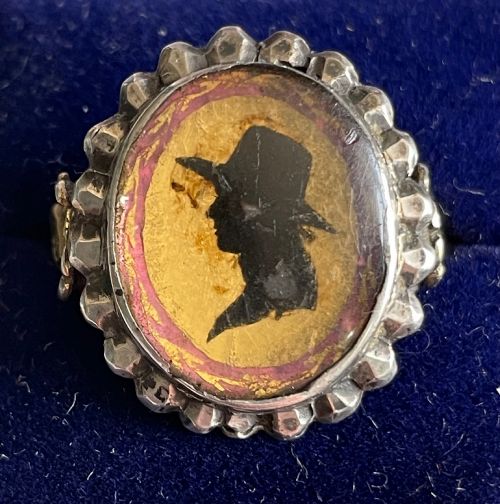
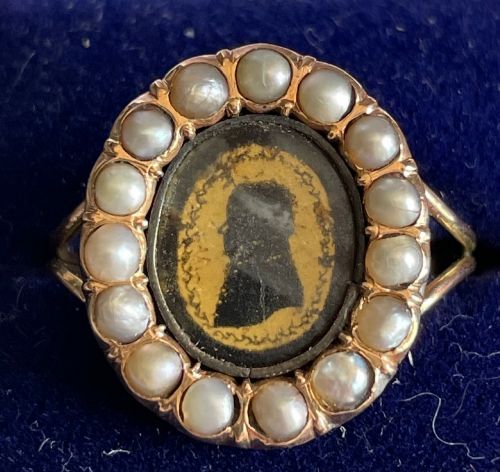
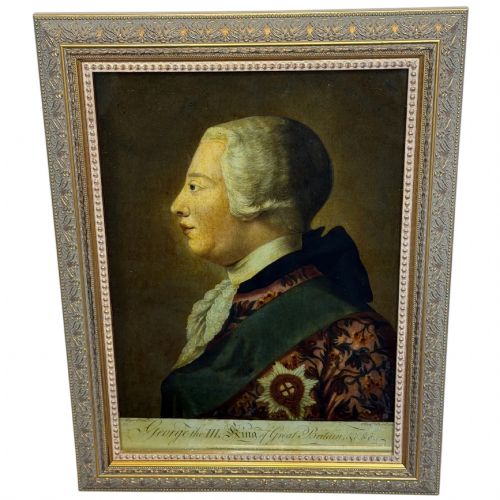
An 18th century profile encompasses portrait miniatures, painted silhouettes, plaster intaglios, and cameo bas-reliefs focusing on the side likeness of a sitter. The selection includes works rendered in paper, glass, wood, plaster, and marble across Georgian, Neoclassical, and Italian Baroque styles.
Buyers will most frequently encounter silhouette pieces on glass or plaster, alongside framed portrait paintings and intaglios from the Georgian era. These objects range from intimate jewellery items and patch boxes to framed wall art depicting named figures and anonymous sitters alike.
Materials and construction methods
Makers utilised delicate materials such as paper, glass, plaster, and plumbago, often mounting silhouettes and miniatures in ebonised wood frames or precious metal jewellery settings. Carved marble and pressed white glass paste create low-relief profiles inspired by classical antiquities.
Artists combined charcoal, pastel, watercolour, and oil on panel or canvas, while specialised craftsmen executed reverse painting on glass and meticulous cutting for silhouette profiles. Giltwood mirrors and coquilla nut patch boxes demonstrate the era's diverse decorative applications of profile subjects.
Listings feature works in glass, paper, wood, brass, gold leaf, ebonised wood, gold, and plaster, spanning the 17th through the 19th centuries.
Quality factors in profile works
Execution of line and preservation of delicate media distinguish superior examples from ordinary production. The crispness of a cut silhouette or the fine detail in a plumbago drawing determines the artistic merit of the piece.
Original framing, signed work by established practitioners, and documented provenance elevate certain pieces significantly. The quality of the material, whether clear glass, fine plaster, or carved marble, dictates the longevity and visual impact of the portrait.
James Sharples·James McCardell·John Miers·Pietro Bracci·James Ferguson·Archibald Skirving·Ozias Humphry·Nathaniel Bermingham·William Hoare
The 18th Century Profile Glossary
- Silhouette
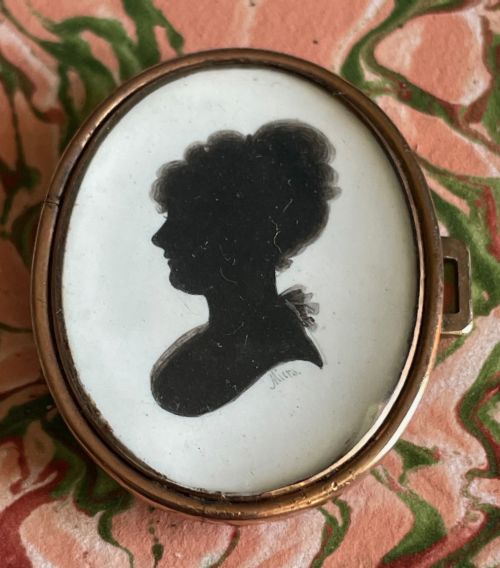
- A solid shape of a person's profile, typically filled in black on a light background or cut from paper. These were popular for rapid, accurate likenesses before photography.
- Intaglio
- A design engraved into a material so that the impression sinks below the surface. Grand Tour collections often included sets of these in plaster.
- Plumbago
- An early form of black lead pencil used for detailed preparatory drawings and finished portraits. Artists favoured it for monochrome precision.
- Cameo
- A method of carving an object such as a carved stone, shell, or glass paste to show a raised figure in profile. It draws on classical Roman traditions.
- Coquilla nut
- The hard, mottled brown seed of a South American palm tree used for small turned items like patch boxes. Artisans carved intricate decorative motifs onto the surface.
18th Century Profile: Frequently Asked Questions
What is an 18th century profile?
An 18th century profile is a portrait depicting a sitter from the side, executed as a painting, drawing, silhouette, or carved relief. These works focus strictly on the facial outline and head shape.
Such pieces range from informal cut-paper silhouettes to formal oil paintings and Grand Tour souvenir carvings. They document real individuals from the Georgian period with directness.
How were silhouettes displayed?
Makers housed silhouette portraits in small pendant frames, brooches, or rings for personal wear. Others placed them behind convex glass within small wooden wall frames.
Intimate display was common since many silhouettes served as love tokens or memorials. Collectors also mounted sets of plaster profiles together in shallow display cases.
Who was John Miers?
John Miers was the most prominent silhouette artist of the Georgian era, known for his miniature profile portraits painted on plaster or glass. His London studio produced refined likenesses often marked with trade labels.
Pieces bearing his signature or securely attributed to his workshop are particularly sought after by collectors of profile art. He elevated the silhouette from a novelty to a respected portrait miniature.
What are Grand Tour intaglios?
Grand Tour intaglios are sets of small profile impressions cast in plaster or carved in stone by travellers visiting classical sites in Italy. They recorded ancient Roman coins, statues, and cameos.
Craftsmen such as Pietro Bracci created boxed sets of these reliefs for wealthy tourists. They served as portable encyclopedias of classical art and profile design.