




18th Century Portrait Pendant
These 18th century portrait pendants combine miniature painting with wearable jewellery, offering an intimate glimpse into Georgian faces and lives.
18th Century Portrait Pendant
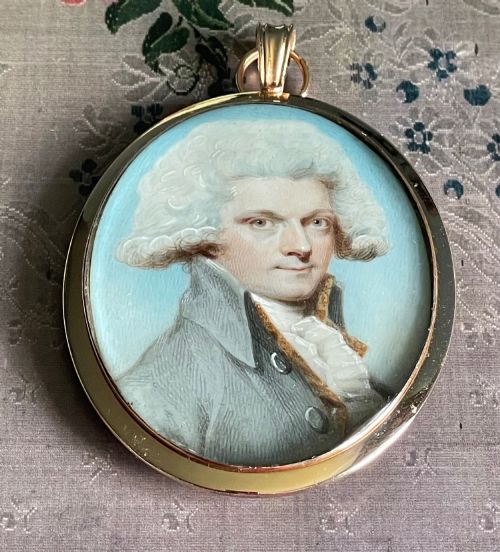
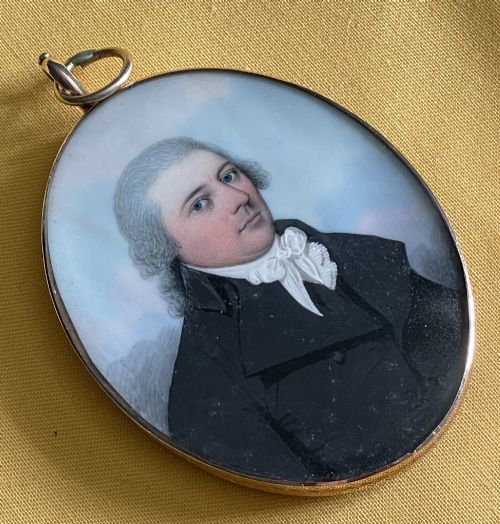
An 18th century portrait pendant brings together miniature fine art and personal ornamentation, designed to be worn close to the heart or kept as a private keepsake. The pieces gathered here span the Georgian period, reaching back through the seventeen-hundreds into the Regency era.
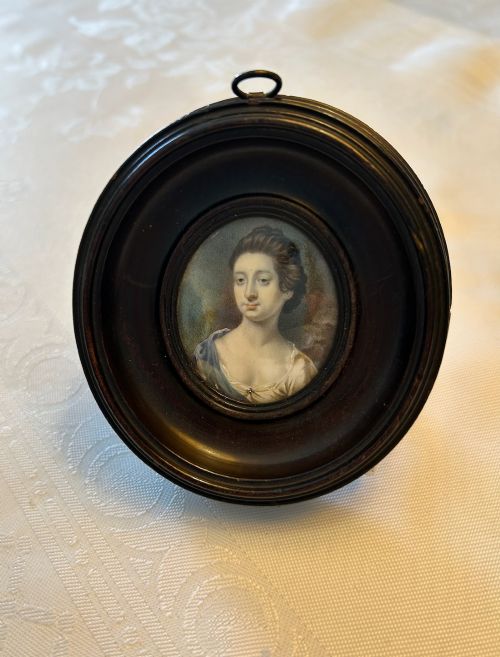
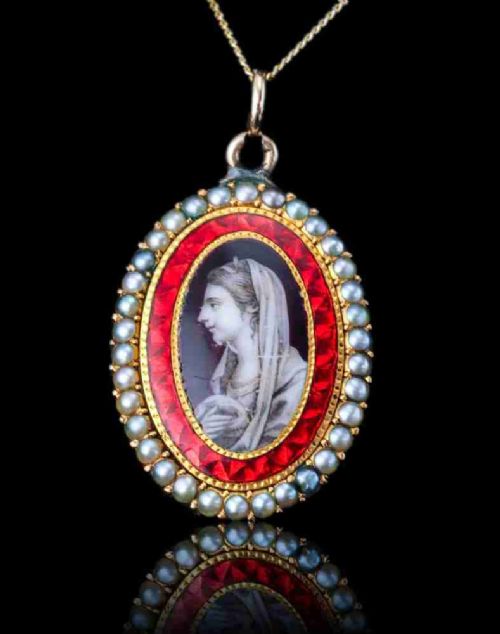
You will encounter small-scale painted likenesses framed in gold, gilt metal, and ebonised wood, often taking oval forms. Many incorporate glass panels or suspension loops to function as pendant necklaces.
Subjects range from named gentlemen and naval officers to anonymous ladies and family groups, captured through varied techniques from delicate watercolour to bold silhouette work.
Materials and Construction
Makers utilised watercolours, pigment, and enamel applied to delicate surfaces like ivory, vellum, glass, and agate panels. These painting supports required immense precision due to their miniature scale.
Frames were cast or fabricated in gold, including fourteen-carat and eighteen-carat varieties, alongside nine-carat gold, gilt metal, and glass-fronted housings to protect the painted scenes.
Listings feature works from the 18th century, Georgian era, and Regency period, utilising gold, glass, ivory, and enamel.
Distinctions in Execution
The metalwork of the surrounding frame also indicates tier, ranging from simple gilt housings to substantial gold mounts designed to accommodate hair compartments or intricate backing details.
Henry Bone ARA·Charles Shirreff·John Miers·Frederick Buck·William Wood·Charles Hayter·Christian Friedrich Zincke·William Naish·Elizabeth Hudson·George Engleheart·James Ferguson·William Grimaldi·John Inigo Wright·Samuel Cotes·John Barry
The 18th Century Portrait Pendant Glossary
- Miniature portrait
- A small-scale painting depicting a specific person, executed with fine detail using watercolour, enamel, or oil. These works demand extreme technical skill from the artist.
- Silhouette
- A solid dark profile likeness, usually cut from paper or painted on glass or plaster. John Miers is a prominent exponent of this monochromatic form in the listings.
- Vellum
- A fine parchment prepared from calfskin, used as a smooth painting surface for detailed miniatures before ivory gained dominance. It offers a distinct receptive ground for water-based pigments.
- Ebonised frame
- Wood finished to resemble ebony, providing a dark, contrasting border around portrait miniatures. This framing style was common for British school works of the period.
18th Century Portrait Pendant: Frequently Asked Questions
How were portrait pendants worn?
These pieces were typically suspended from ribbons or chains around the neck, resting against the chest as a personal token of affection or remembrance.
Some designs also functioned as lockets, occasionally concealing locks of hair or braided threads behind the painted portrait panel.
What materials are common in these pendants?
Paintings are executed in watercolour, pigment, enamel, or oil upon surfaces such as ivory, vellum, glass, and agate.
Frames are constructed from gold, gilt metal, or ebonised wood, frequently protected by front glass panes.
How can I distinguish Georgian periods?
Dating relies on costume details, hair styling, and the specific materials or framing techniques noted in each piece.
Items span the seventeen-hundreds through to the Regency era, with certain listings bearing specific dates or attributed artist timelines.
Are all subjects identified?
Many miniatures depict anonymous sitters, though some pieces record names such as Felicity Trotter or members of the Chambers family.
Naval officers and gentlemen appear frequently alongside ladies in lace, identified through historical dress or inscribed markers.