



18th Century Pillars
These 18th century pillars encompass architectural supports, clock movements, and column-form candlesticks that bring period strength to a room.
18th Century Pillars
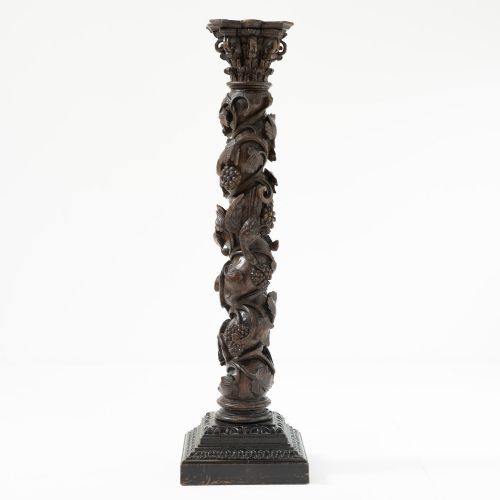
When you search for 18th century pillars, you find items ranging from Solomonic carved oak pedestal columns and garden staddle stones to structural clock components like the five-pillar movements found in Georgian grandfather clocks.
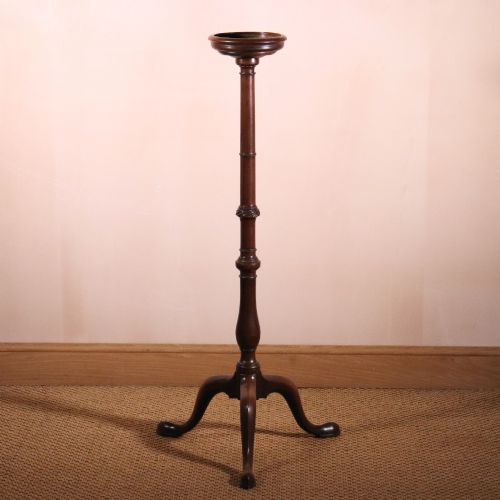
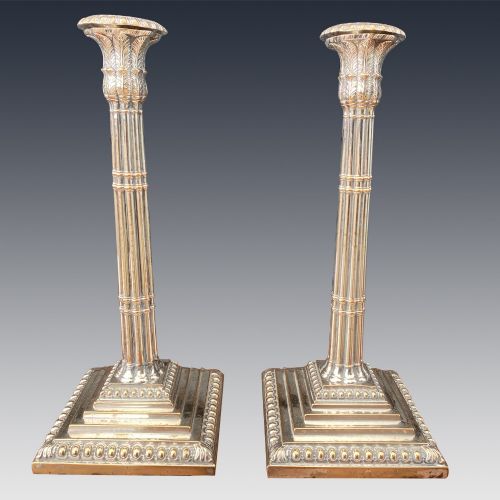
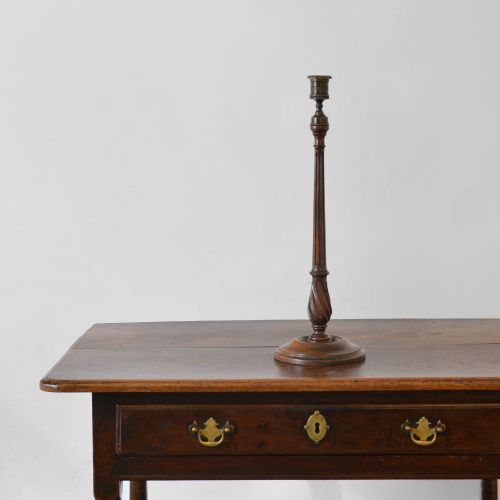
The versions you are most likely to meet on this page include Georgian mahogany and brass candlesticks, alongside structural architectural fragments and oak clock works.
Makers and craftsmen of the period shaped these supports from dense hardwoods, sandstone, and cast metals to serve both decorative and load-bearing functions.
How they were made
Makers utilised seasoned mahogany, carved oak, and cast brass, shaping the timber on lathes or carving spirals by hand for Solomonic columns.
Metalwork involved Old Sheffield plate, copper, and silver plating over a base metal, alongside hand-forged clock movements with early inside count wheels.
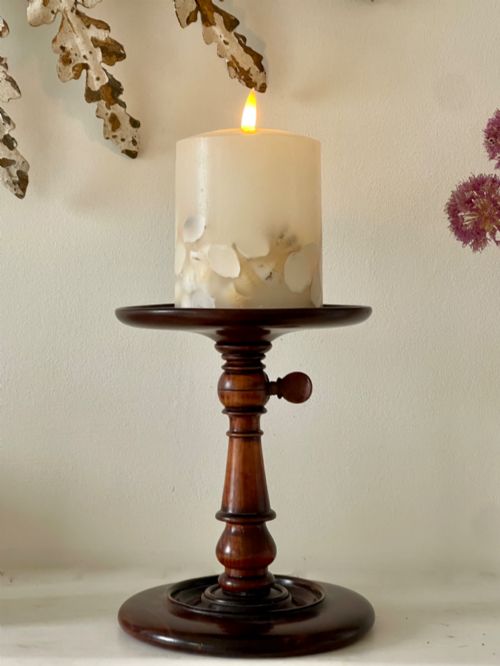
Sandstone elements such as staddle stones were manually hewn for agricultural use, while wooden tripod tables and altar candlesticks received silvered finishes.
18th Century Pillars Retail Price Guide 2026
Typical asking prices for 18th century pillars among the pieces listed under this phrase on Sellingantiques today, from the lower quarter to the upper quarter. They describe what is for sale here now, not the wider market.
One print records the Seven Lucky Gods sailing in a treasure ship, proving that 18th century pillars could occasionally float on paper.
What varies in quality
The distinction between standard domestic items and finer pieces lies in the crispness of the hand-carved detail, particularly on spiral Solomonic columns and tripod table pedestals.
Mechanical complexity and original components dictate the standing of horological pieces, such as longcase clock movements featuring silent pull mechanisms and multiple pillars.
Surface preservation matters greatly, distinguishing items retaining their original silvered finishes, patinated brass, and unpolished timber from those heavily altered.
Richard Gibbs London·Katsukawa Shunshō
The 18th Century Pillars Glossary
- Solomonic column
- A twisted, spiral shaft resembling a helix, popular in Baroque and Georgian furniture and architectural woodwork.
- Old Sheffield plate
- A composite material made by fusing a thin sheet of silver to a thicker copper core, used before modern electroplating.
- Staddle stone
- A mushroom-shaped stone support originally used to elevate granaries and keep out dampness and vermin.
- Count wheel
- An external or internal wheel on clock movements that regulates the striking train.
- Tripod table
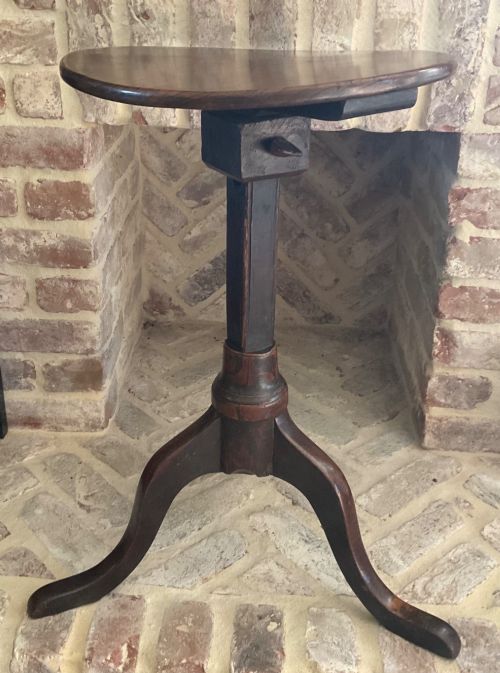
- A small freestanding table supported by a pillar above three legs.
18th Century Pillars: Frequently Asked Questions
What defines an 18th century pillar?
These pieces include architectural wooden columns, clock movements built on multiple pillars, and slender candlestick stems.
They represent the utilitarian and decorative column forms produced during the Georgian era.
How were column candlesticks used?
They provided portable lighting in period rooms, often featuring removable sconces to catch wax drips.
Their sturdy bases kept tall tapers stable on side tables and mantelpieces.
Where do staddle stones fit in?
Staddle stones served as outdoor foundation pillars for raised agricultural granaries.
Today they function as garden ornaments and terrace supports.
How do I identify a five pillar clock?
Grandfather clock movements of this type use five vertical brass pillars to hold the front and back plates rigid.
This construction houses complex mechanisms like silent pull repeaters securely.