




18th Century Officer Artwork
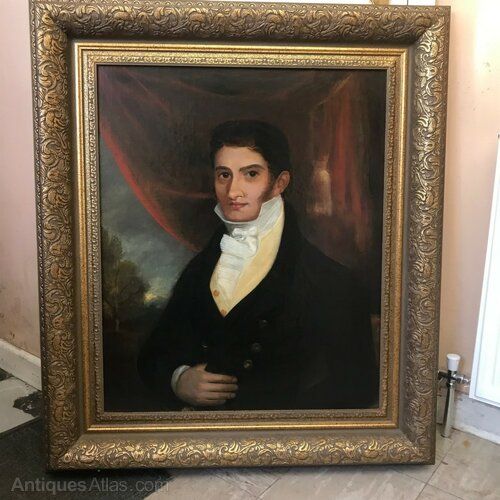
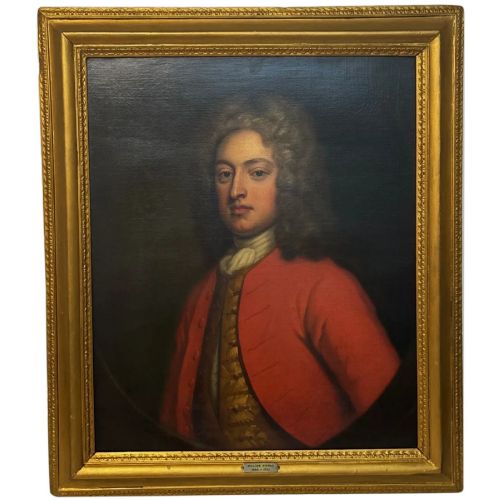
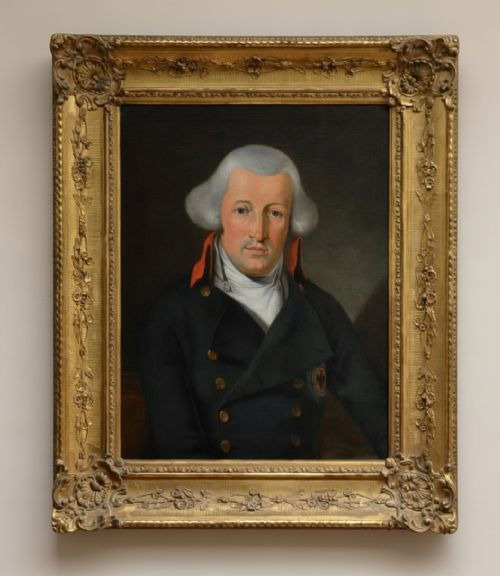
These 18th century officer artwork pieces capture military commanders and naval captains through oil portraits, miniatures and engravings.
18th Century Officer Artwork
When you search for 18th century officer artwork, you encounter painted and engraved likenesses of military figures from the Georgian, Regency, and neoclassical periods. These works depict captains, generals, and admirals from British, French, German, Austrian, and Russian regiments.
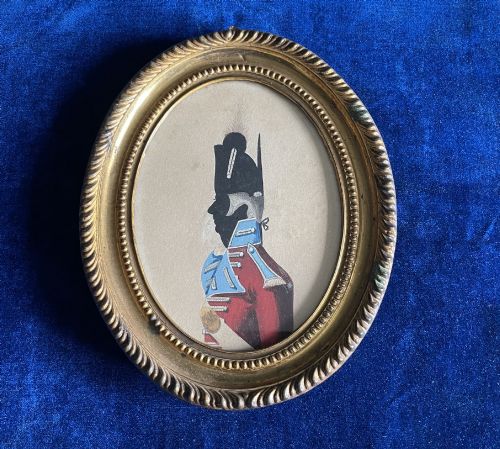
You are most likely to meet oil paintings on canvas alongside portrait miniatures on agate panels and paper prints. Subjects range from named commanders like Sir James Campbell to anonymous militia bandsmen and young fifers.
The selections span the eighteenth century and the year eighteen hundred, recording uniforms, decorations such as the Order of St. Louis, and symbols of rank.
How these pieces were produced
Artists painted these subjects using oil on canvas, applying pigment to wooden panels or stretching fabric across wooden frames. Portrait miniatures required fine work on specialised surfaces like agate panels and paper.
Framing and mounting utilised giltwood, wood, and glass to protect the delicate watercolours, engravings, and canvases. Engravers worked with metal plates to produce printed editions on paper.
Several military figures managed to pose with swords, torches, and cymbals while maintaining an air of absolute authority.
Factors that differentiate quality
The distinction between standard works and exceptional pieces rests upon the skill of the portraitist and the preservation of the medium. Works attributed to known painters or executed with refined brushwork command greater attention than anonymous student copies.
The integrity of the original canvas, wood, or giltwood frame influences the overall standing of an artwork. Finer miniatures feature detailed rendering of facial expressions and uniform regalia on materials like agate.
Sir Thomas Lawrence PRA, FSRA·Edward Pugh·Henry Walton·Gerrit Schipper·Robert Ker Porter·Harry Ashby
The 18th Century Officer Artwork Glossary
- Oil on canvas
- Pigment mixed with drying oil applied to stretched fabric. This was the primary medium for large formal military portraits.
- Portrait miniature
- A small, highly detailed painting executed on materials such as agate or paper. These portable likenesses often featured elaborate gold frames.
- Giltwood
- Wood carved and coated with a thin layer of gold leaf. It forms the decorative borders of period frames.
- Neoclassical
- An artistic style drawing inspiration from classical antiquity. It influences the composition and dignity of many late eighteenth-century portraits.
- Engraving
- An image printed from an incised metal plate. This technique allowed the reproduction of officer portraits on paper.
18th Century Officer Artwork: Frequently Asked Questions
How do I identify an 18th century military portrait?
Examine the uniform style, wig fashion, and any visible medals or decorations. Contemporary inscriptions on the reverse or stretcher bars often name the sitter and regiment.
Compare the painting technique and canvas preparation with documented examples from the Georgian and Regency periods to confirm the era.
What is a portrait miniature?
A portrait miniature is a small-scale painting designed for personal carry or intimate display. Artists painted these delicate likenesses on materials including paper and agate panels.
They frequently feature precision brushwork to capture facial details and military uniforms within compact frames.
How were these artworks displayed historically?
Large oil paintings hung in the reception rooms and halls of country houses and military establishments. Giltwood frames provided an ornate boundary that complemented the status of the officer.
Miniatures and engravings were kept in private studies or carried by family members during campaigns.
How do I care for antique oil paintings?
Keep paintings away from direct sunlight and steady temperature fluctuations to prevent canvas cracking and paint degradation. Avoid using water or chemical cleaners on the painted surface.
Consult a professional conservator if the canvas requires cleaning or structural reinforcement.
What do uniform details reveal about the artwork?
Uniforms, facings, and headgear such as busby hats indicate the specific regiment and branch of service. Medals and sashes point to particular campaigns and high-ranking honours like the Order of St. Louis.
These elements help historians date the portrait and identify the sitter's military career.