


18th Century Keys
These 18th century keys bring tangible history to a room, offering genuine period brass and ironwork for the collector.
18th Century Keys
When you search for 18th century keys, you are looking at utilitarian hardware and lock furniture that survived from the Georgian era alongside collections and associated items like tea caddies, boxes, and desks that retain their original working keys. The pieces available range from individual steel and brass key collections to larger iron specimens and architectural elements like stone keystones, reflecting the period's domestic and structural security needs.
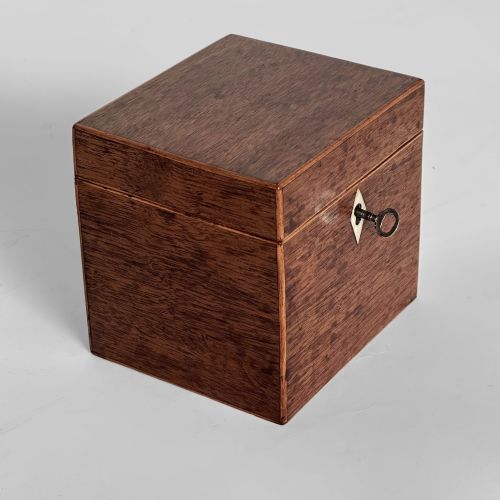
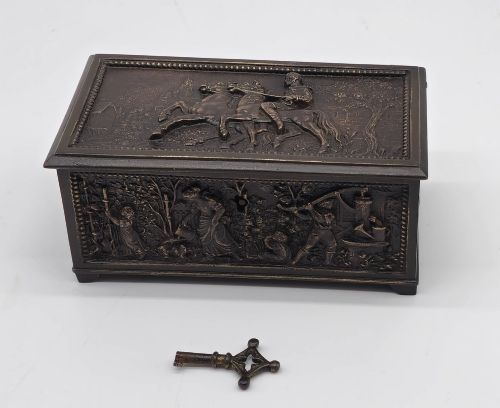
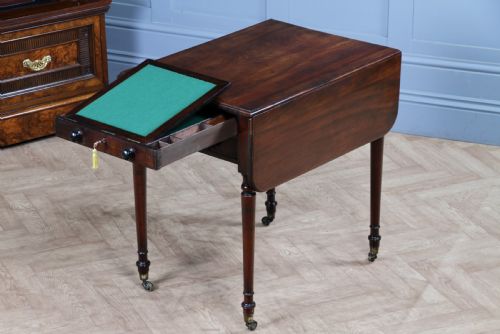
You are most likely to encounter these objects attached to period furniture such as mahogany tea caddies, oak box locks, and dressing table desks, or offered as grouped collections of varying quantities. The materials span standard brass and steel alongside walnut, mahogany, and stone, capturing both the functional mechanics of the period and the decorative housings built to secure them.
How they were made
The metal components rely on traditional forge and foundry work, utilising brass, gilt brass, bronze, and steel shaped by hand to fit bespoke wards and mechanisms. Lock furniture and hanging hooks demonstrate period metalworking methods, where shaping and filing created unique functional profiles for individual boxes and doors.
Wooden enclosures and associated furniture housing these keys incorporate mahogany, oak, and walnut, often finished with inlay and detailed joinery. These materials reflect the standard cabinet-making techniques of the Georgian period, pairing sturdy structural timbers with refined decorative surfaces.
Some locks are so stubborn they have outlived the empires that built them.
What varies in quality
The distinction between standard utility items and finer examples lies in the crispness of the metalwork, the presence of original gilding, and whether the key retains its matching period lock or housing. Intricate filing on the bit and bow separates standard utilitarian hardware from decorative or ceremonial pieces.
Quality also depends on the preservation of associated pieces, such as intact tea caddies, desks, and cabinets retaining their original working keys rather than later replacements. The integrity of the surrounding woodwork, original brass escutcheons, and uncompromised mechanisms elevate the overall standard of the survival.
The 18th Century Keys Glossary
- Bow
- The rounded or decorative handle at the top of a key, designed to be held between the thumb and forefinger. Variations in bow shape often indicate the period or specific workshop origin.
- Bit
- The projecting blade of the key that enters the lock and interacts with the internal levers or wards. Each bit is cut specifically to bypass the obstructions inside a single designated lock.
- Escutcheon
- A protective plate surrounding the keyhole of a door, drawer, or box. It prevents the wood or metal around the aperture from wearing away with repeated use.
- Ward
- An internal obstruction inside a lock designed to prevent any key from turning except one with matching slots cut into its bit. Wards provide a basic level of security before the advent of lever mechanisms.
- Fusee
- A conical pulley used in pocket watches to maintain even power from the mainspring as it unwinds. This mechanism is characteristic of period timepieces from the Georgian era.
18th Century Keys: Frequently Asked Questions
Are these keys still usable in period locks?
Many keys offered with period boxes, desks, and tea caddies are described as original working keys and continue to operate their paired locks. However, due to centuries of wear and minor shifts in timber or metal, professional adjustment may be necessary.
Buyers should examine the specific listing details to confirm whether a key is sold as a standalone collectible or attached to a functioning antique lock.
How can I tell an 18th century key from a later copy?
Period keys display hand-finished tool marks, irregular filing on the bit, and the natural oxidation appropriate to early brass, bronze, or steel. Later reproductions often feature uniform machine shaping and lack the authentic weight and wear patterns of genuine Georgian hardware.
Context also helps determine authenticity, as genuine examples typically appear alongside period furniture like mahogany tea caddies and oak box locks.
What materials were commonly used for these keys?
The primary metals encountered in these pieces are brass, gilt brass, bronze, and steel. These materials provided the necessary strength and resistance to bending during daily use in domestic and structural locks.
Associated items and housings frequently utilise traditional period timbers including mahogany, oak, and walnut, sometimes enhanced with inlay or gilt detailing.
How should I display antique keys at home?
Collections of keys suit shallow shadow boxes, wall-mounted display boards, or flat placement inside glass-topped tables where the varied shapes of the bows and bits remain visible. Grouping them by size or metal tone creates a clear visual focus.
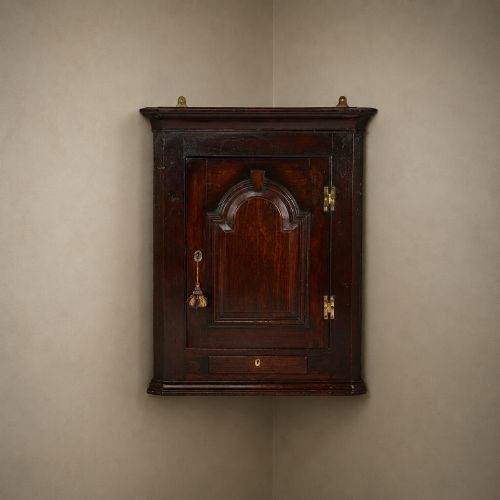
For keys attached to furniture such as tea caddies, desks, or corner cupboards, normal placement on the piece itself preserves their historical context and functional relationship.