


18th Century Iron Tool
These 18th century iron tool examples are utilitarian survivors of Georgian hearths, kitchens, and gardens, prized for their honest forged construction and daily utility.
18th Century Iron Tool
When you search for an 18th century iron tool, you are looking at forged steel, wrought iron, and mixed-metal implements designed for domestic and garden labour. The pieces appearing here span fireplace accessories, fire irons, andirons, garden tools, kitchenware, and apothecary items from the Georgian period and the eighteenth century.
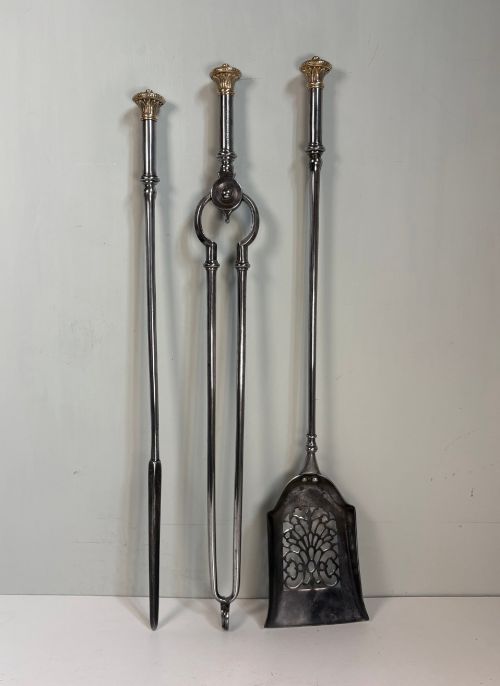
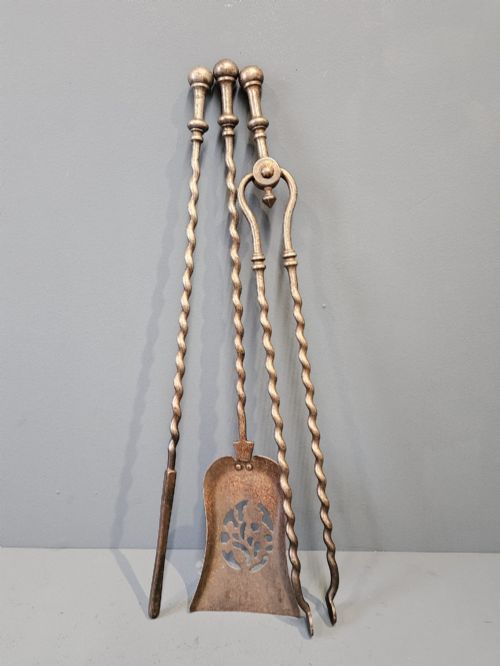
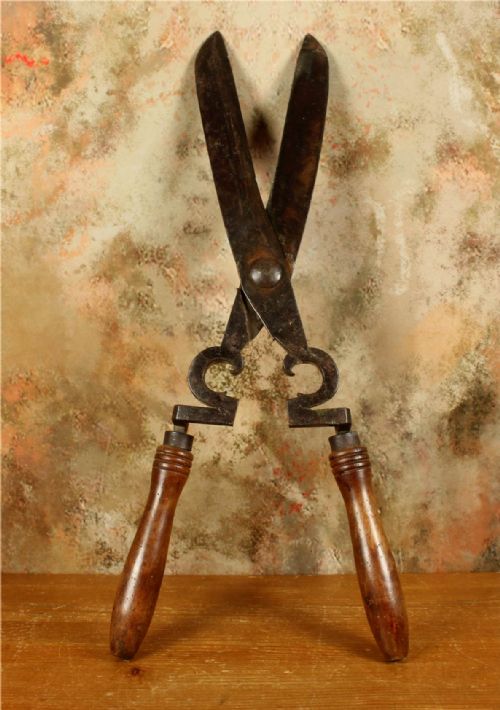
You are most likely to meet sets of steel fire irons, complete with tongs, pokers, and shovels, alongside specialised hearth equipment and garden shears. Originating from English, American, and French workshops, these survivors demonstrate the robust craftsmanship of the era.
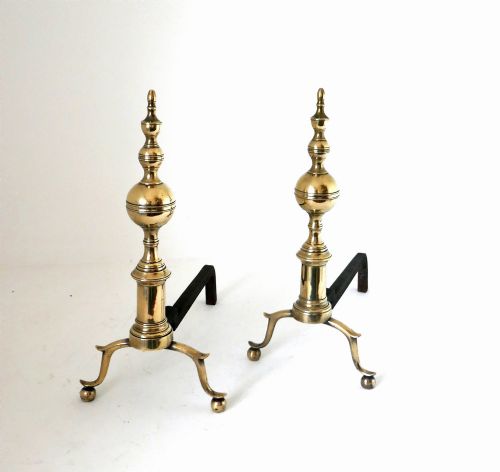
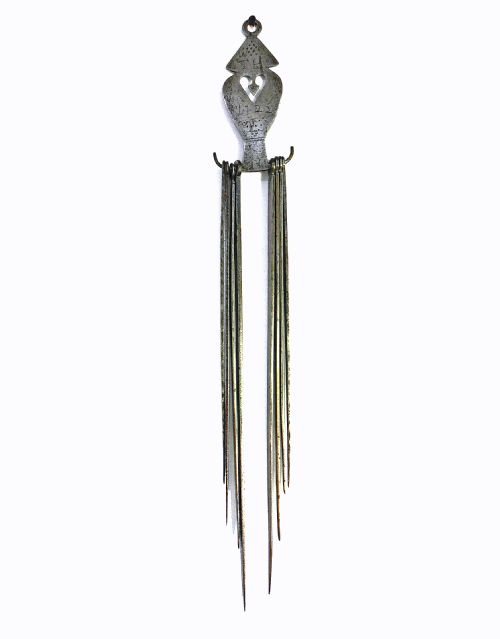
The selection ranges from utilitarian kitchen skewers and ember tongs to decorative brass-mounted andirons and goffering irons. Each object retains the marks of its original function, whether positioned beside an open hearth or utilised in an apothecary.
How they were made
Blacksmiths shaped wrought iron and steel on the anvil while hot, hammering the metal to achieve strength and precise form for heavy daily tasks. Fire irons and garden shears rely on this resilient forged construction to withstand constant stress.
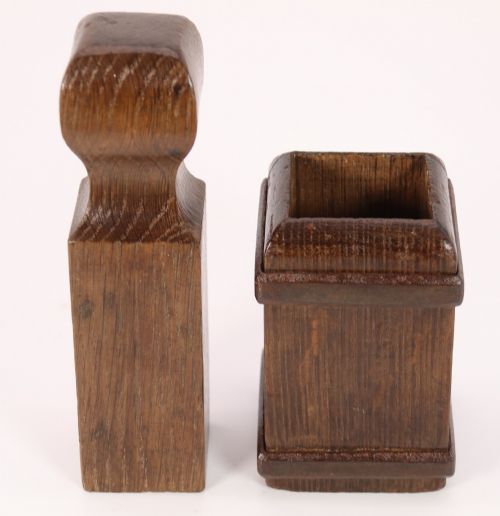
Many domestic and hearth pieces incorporate contrasting materials such as brass, gilt brass, and oak mounts for functional reinforcement and visual contrast. Makers combined these metals with turned wood, as seen in apothecary crushers and mortar sets.
Object forms span fireplace accessories, fire irons, andirons, garden shears, apothecary crushers, meat skewers, goffering irons, and ember tongs.
What varies in quality
The refinement of the forging and the finish of the metal separate standard utilitarian implements from higher-status examples. Pieces featuring integrated brass mounts, gilt detailing, or engraved decoration indicate a higher investment of time and skill by the maker.
Completeness of a matched set significantly alters the character of hearth equipment, as single surviving tools lack the uniformity of an original suite. The preservation of original surfaces, rather than heavy modern polishing, dictates the integrity of the piece.
The 18th Century Iron Tool Glossary
- Wrought iron
- A tough, malleable form of iron containing slag inclusions, easily shaped by hand forging. It forms the structural body of many early hearth and garden implements.
- Goffering iron
- A heated metal tool used for pressing ruffs, frills, and lace. Examples often feature a stand and a cylindrical heating iron.
- Andirons
- Supports used to hold logs in an open fireplace, typically cast or forged in pairs. They frequently incorporate decorative brass elements.
- Ember tongs
- Implements designed for moving hot coals and lighting pipes in an open hearth. These often combine functional gripping jaws with slender forged shafts.
- Treen
- Small handmade wooden household objects. In this context, it describes items like apothecary mortars paired with iron-mounted crushers.
18th Century Iron Tool: Frequently Asked Questions
What were these iron tools used for?
These implements served practical roles around the 18th-century home, managing hearth fires, preparing food, crushing medicinal ingredients, and tending gardens. Their daily use required robust materials like steel and wrought iron.
Fireplace tools managed coal and wood, while specialised items like goffering irons aided in laundering and dress maintenance. Each survival reflects the physical demands of Georgian domestic life.
Are these tools made entirely of iron?
While iron and steel form the primary structural components of these implements, many incorporate secondary materials. Brass, gilt brass, and oak frequently appear on hearth accessories and apothecary tools.
These mixed-metal and multi-material constructions provided both functional durability and decorative contrast suitable for prominent domestic spaces.
How do I care for 18th-century iron?
Historic iron requires a stable, dry environment to prevent active corrosion and degradation. Gentle dusting and occasional light application of microcrystalline wax help protect the historic surface.
Avoid abrasive cleaners or modern chemical rust removers that can strip away original patination and tool marks accumulated over centuries.