



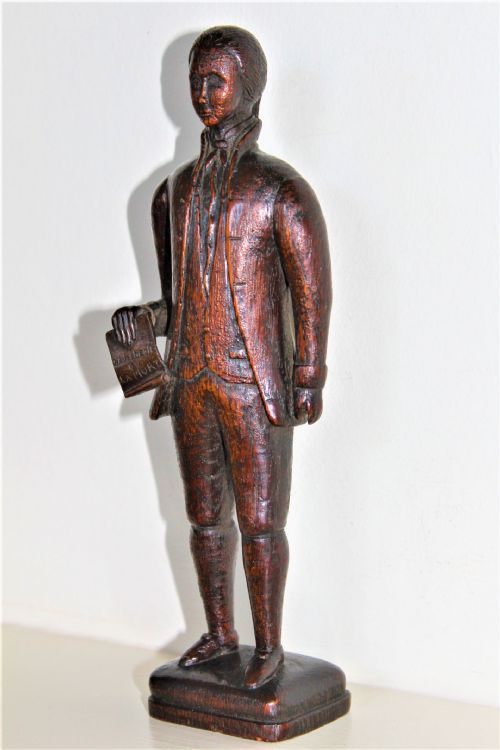
18th Century Icon
An 18th century icon carries the weight of centuries of devotion, bringing sacred art and devotional objects into domestic spaces.
18th Century Icon
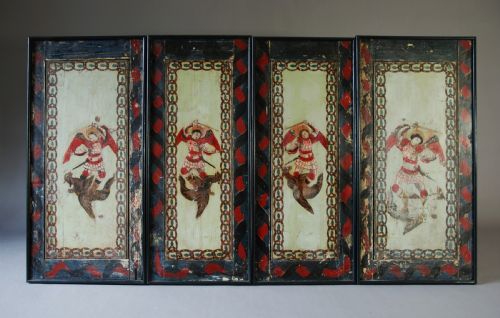
An 18th century icon encompasses sacred paintings, carvings, and plaques created for religious devotion across Europe and beyond. You will frequently encounter Russian Orthodox wooden panels alongside Western European devotional art and carved figures.
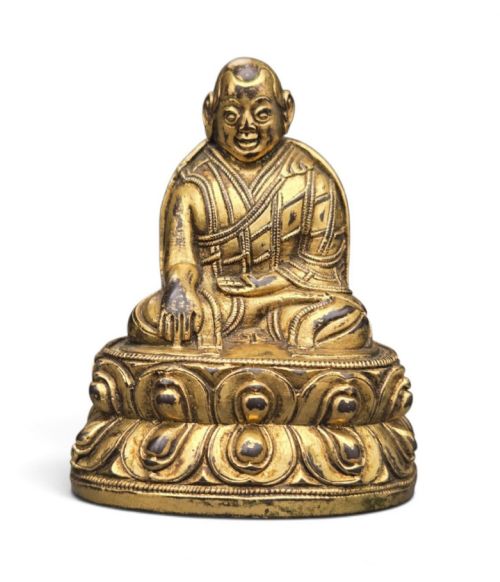
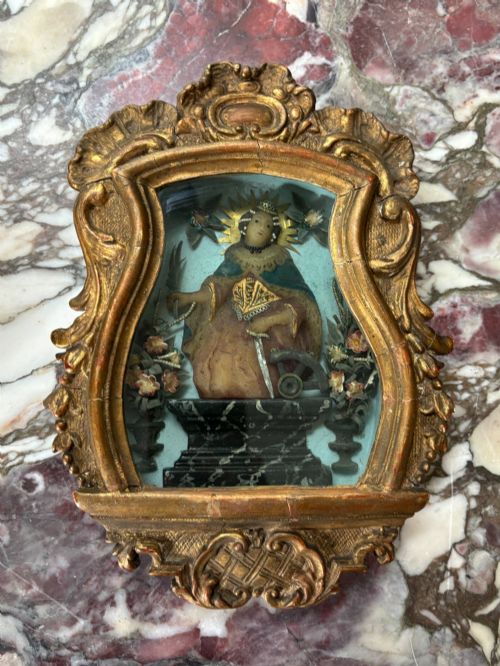
The selection ranges from panel paintings depicting saints and scenes like the Crucifixion to bronze statues, enamel plaques, and carved wooden sculptures of figures such as St Roche and the Madonna.
Materials and construction
Makers utilised wood, notably pine and panel boards, as the primary support for painted works, often applying tempera alongside pigment and ink. Metalwork also appears through bronze casting and enamel work.
Carved pieces display skilled woodworking techniques applied to solid timber blocks, while other objects incorporate paper and glass elements within framed religious works.
Listings feature wood, bronze, pigment, paper, pine, ink, glass, and enamel across various religious forms.
Distinguishing quality
Quality rests in the precision of the carving, the preservation of original pigment, and the finesse of the brushwork on painted panels. Finer examples display detailed facial expressions and well-executed drapery folds.
Condition plays a central role, with untouched surfaces and original patination commanding greater appreciation than heavily restored or worn pieces.
Volga Masters Circle
The 18th Century Icon Glossary
- Tempera
- A permanent, fast-drying painting medium consisting of pigmented powder mixed with a water-soluble binder. It was commonly applied to wood panels for religious paintings.
- Icon
- A devotional painting or image representing sacred figures, traditionally used in Eastern Orthodox worship. These pieces serve as windows to the divine.
- Gilt
- A thin layer of gold applied to surfaces such as wood or metal to give a decorative golden finish. It highlights key areas on many religious panels.
- Pieta
- A subject in Christian art depicting the Virgin Mary cradling the dead body of Jesus. It appears in carved wooden sculptures and framed artworks.
- Panel
- A flat piece of wood used as a structural support for paintings. Pine and other timber boards serve this purpose in numerous religious artworks.
18th Century Icon: Frequently Asked Questions
What materials are typical for an 18th century icon?
Wood and pigment form the basis of most painted panels, while other examples utilise bronze, enamel, and carved timber.
Support materials range from pine boards to specialised surfaces found in regional traditions.
How do Russian icons differ from Western European pieces?
Russian examples follow strict Orthodox traditions using tempera on wood panels to depict saints and biblical scenes.
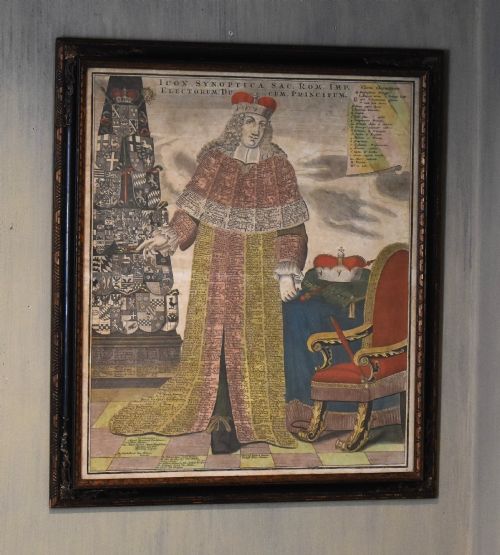
Western pieces from the same period often take the form of carved wooden statues, enamel plaques, or framed prints.
Where were these religious objects displayed?
Devotional panels and icons were traditionally hung in home corner shrines or used within churches and domestic prayer spaces.
Smaller plaques and miniature portraits served as personal devotional objects carried during travel.
How can you identify the period of an icon?
Dating relies on stylistic markers, the preparation of the wood panel, and the specific composition of pigments used.
Examinations of the reverse side and any framing elements also provide clues to the era of creation.
How should you care for an antique wood panel?
Keep wooden pieces away from direct sunlight and fluctuating humidity to protect the underlying paint and prevent warping.
Avoid chemical cleaning products and dust gently with a dry, soft cloth.