
18th Century Hall Furniture
These 18th century hall furniture pieces offer robust utility and formal presence, bringing period character directly into an entranceway.
18th Century Hall Furniture
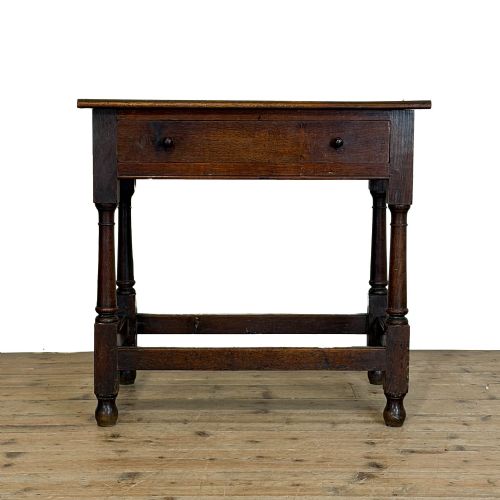
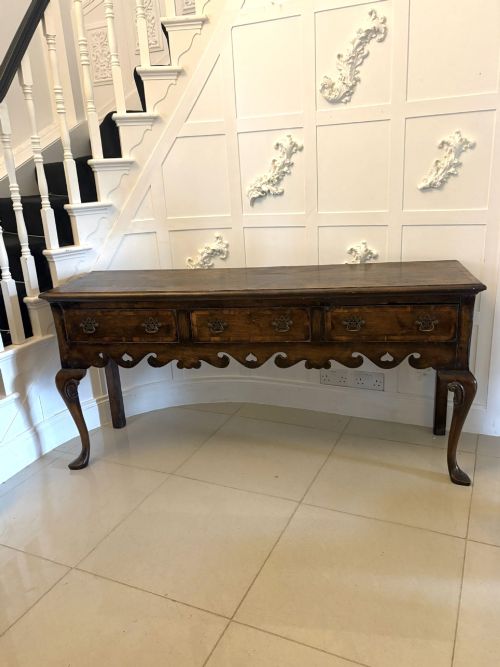
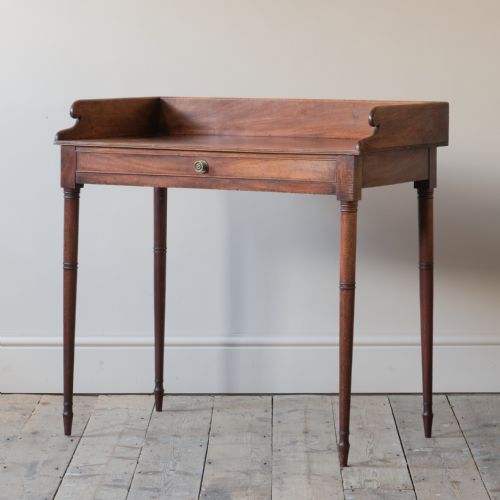
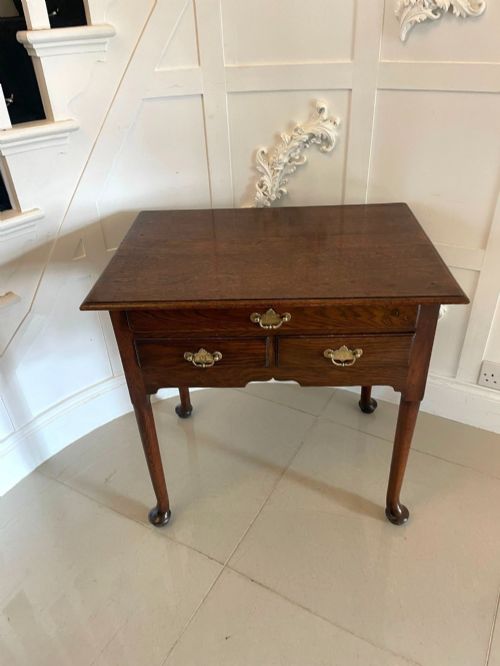
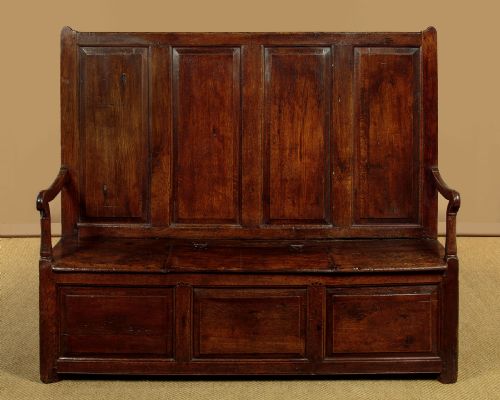
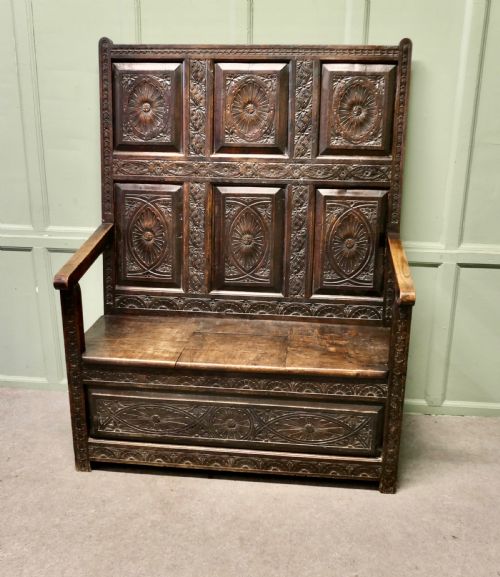
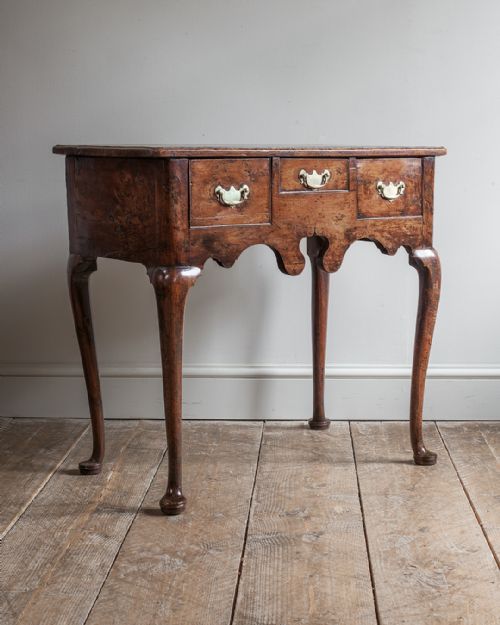
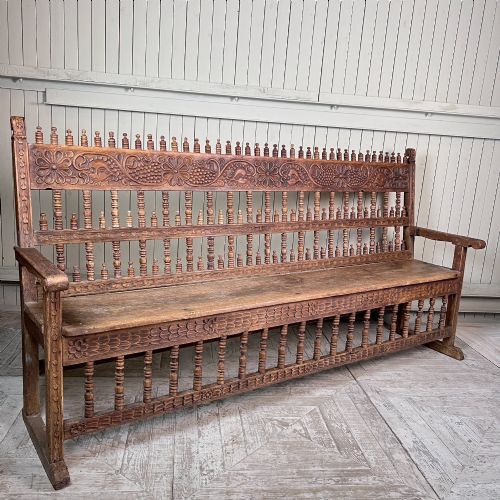
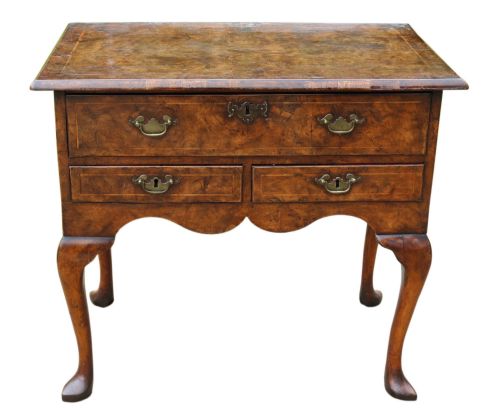
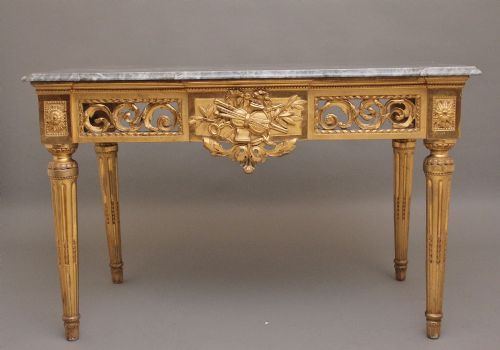
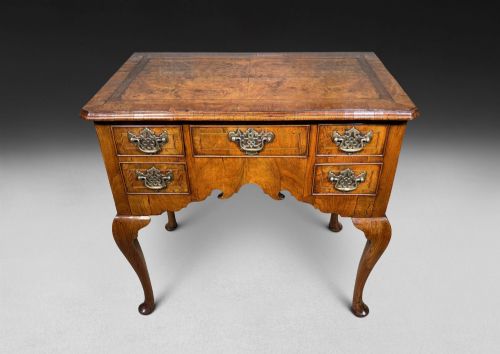
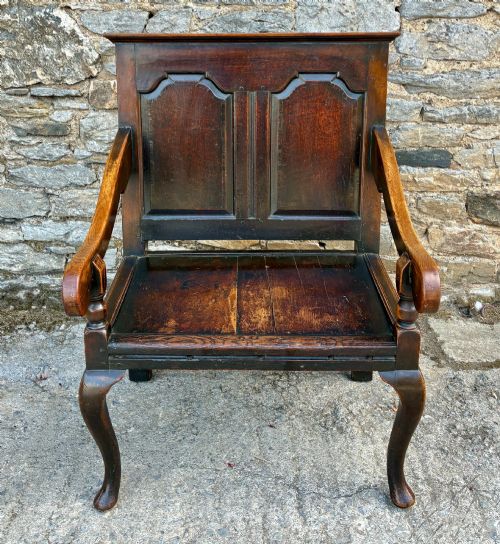
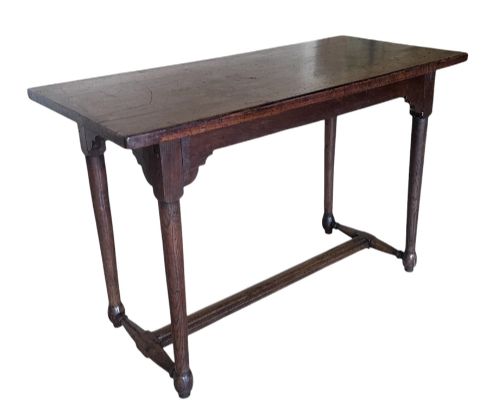
The most frequent items on this page are sturdy oak settles and compact lowboys that reflect the practical domestic requirements of Georgian households. These forms range from high-backed wooden benches with integrated storage boxes to elegant walnut and mahogany side tables intended for grander hallways.
Materials and Construction
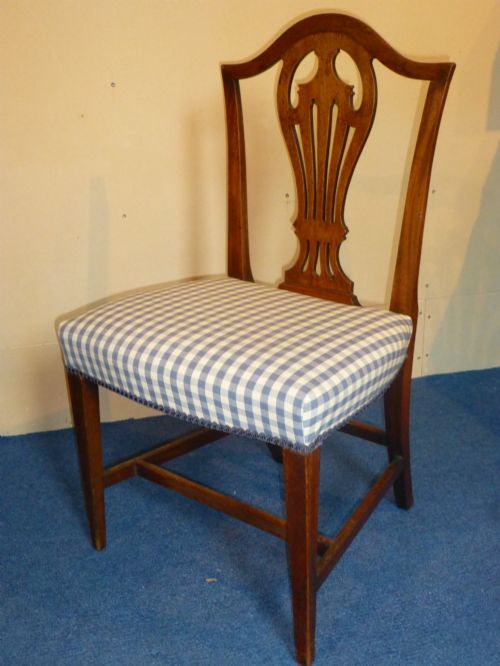
The construction of these pieces relies heavily on native timbers such as oak, fruitwood, and elm, alongside imported hardwoods like mahogany and walnut. Joinery techniques typically involve mortise and tenon frames, pegged joints, and hand-cut dovetails designed to withstand daily domestic use.
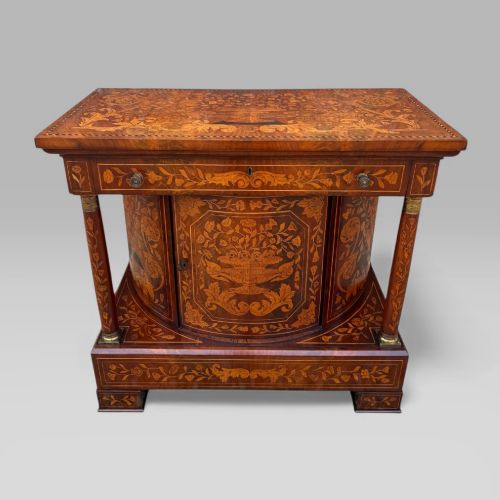
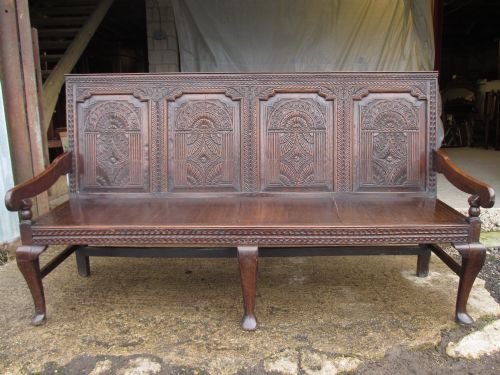
Surface treatments and decorative elements include intricate marquetry inlays, hand-carved panels, and geometric mouldings applied to drawer fronts and friezes. Iron and brass hardware, from drop handles to latch plates, provide the functional and visual accents characteristic of the period.
Early box settles doubled as makeshift beds by the hearth when winter drafts grew too fierce to ignore.
Evaluating Quality
The calibre of these pieces rests on the selection of timber and the crispness of the hand-carved detailing. Finer examples display well-figured grain, such as burr walnut or burr elm veneers, and crisp mouldings that retain their original definition.
Structural integrity and originality of elements separate standard vernacular items from exceptional cabinet work. Pieces retaining their original hardware, uncompromised timber patination, and unaltered bases command greater appreciation among collectors.
The 18th Century Hall Furniture Glossary
- Lowboy
- A small side table with drawers, typically raised on four legs, used in the 18th century for various domestic tasks.
- Settle
- A wooden wooden bench with a high back, solid arms, and often a box seat for storage.
- Marquetry
- Decorative veneer work arranged in intricate patterns using various coloured woods.
- Dresser Base
- A low sideboard or table fitted with drawers, originating from vernacular 18th-century kitchens and halls.
- Frieze
- The horizontal decorative band running along the upper portion of a table or console beneath the top surface.
18th Century Hall Furniture: Frequently Asked Questions
What is an 18th century lowboy used for?
These compact tables served multiple functional purposes in domestic spaces, acting as dressing tables, writing desks, or side tables in hallways.
Their generous drawer space allowed households to store small everyday items conveniently out of sight.
What woods were used for Georgian hall furniture?
Cabinet makers utilised a combination of native timbers and exotic imports depending on the workshop and the intended destination of the piece.
Oak and fruitwood predominated in regional vernacular furniture, while mahogany and walnut appeared in more formal urban commissions.
Where should I place a console table?
Console tables fit neatly against entrance walls, often paired with a wall mirror to create an immediate focal point upon entering a home.
Their shallow depth ensures they do not obstruct narrow corridors while providing a surface for decorative objects.