


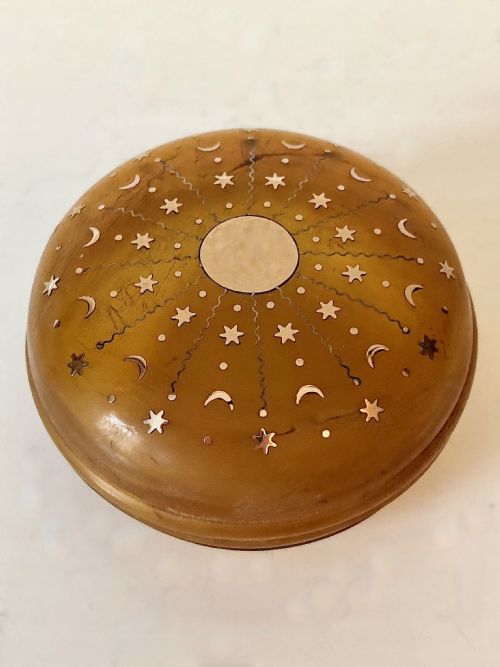


18th Century Gold Box
An 18th century gold box is a pocket or table container made for snuff, pills, or trinkets, prized for its miniature metalwork and precious materials.
18th Century Gold Box
The versions met most frequently on this page span French neoclassical and rococo designs, alongside Chinese export lacquer pieces and Georgian tortoiseshell or agate combinations. These objects served both a utilitarian purpose and a display of personal status among wealthy owners of the era.
What varies in quality
The standard of an 18th century gold box depends upon the crispness of its chasing, the weight of the metal, and the precision of its hinges and closures. Superior boxes display seamless lid alignment and finely detailed engraving that remains sharp across the entire surface.
Material selection also dictates the grade of the piece, with solid 18ct gold or heavy vari-coloured gold mounts sitting above plated or brass alternatives. The integration of hardstones like agate or miniature glass figures demonstrates the higher tier of period craftsmanship.
Listings feature items from the 18th century and Georgian periods, incorporating materials such as gold, tortoiseshell, agate, and lacquer.
The 18th Century Gold Box Glossary
- Snuff box
- A small pocket container specifically hinged to hold dry powdered tobacco.
- Vinaigrette
- A small decorative box containing a perforated grill over a sponge soaked in aromatic vinegar.
- Pique
- A method of decorating tortoiseshell or ivory by inlaying tiny gold or silver pins.
- Vari-coloured gold
- Gold alloyed with different metals such as copper or silver to produce distinct colour variations within the same design.
- Chinoiserie
- A European artistic style reflecting Chinese decorative motifs, popular during the Georgian period.
18th Century Gold Box: Frequently Asked Questions
What is an 18th century gold box?
These pieces are small, portable containers fashioned from gold or gold-mounted materials designed to hold snuff, pills, or personal trinkets. They reflect the high standards of miniature decorative art popular during the Georgian era.
Craftsmen utilised precious metals alongside tortoiseshell, hardstones, and enamel to create functional objects intended for daily carrying or display on private tables.
How were these boxes used?
Owners carried pocket snuff boxes to social gatherings where sharing powdered tobacco formed part of polite etiquette. Other containers housed scented vinegars, small cosmetics, or medical pills.
Larger table boxes and coffers remained in domestic interiors to secure precious personal items or document collections.
How do I tell a French box from an English one?
French pieces often display distinct rococo or neoclassical motifs, frequently featuring vari-coloured gold or painted enamel panels from workshops associated with major European centres. English examples commonly incorporate local materials like tortoiseshell, agate, or silver gilt.
Maker marks and touchmarks, where present, help clarify the geographic origin of the metalwork.
Are all these boxes made of solid gold?
The listings include both solid 18ct gold items and pieces constructed from alternative materials with gold plating, gold leaf, or gold mounts. Foundations frequently consist of wood, brass, lacquer, or glass.
Each construction method reflects the specific decorative style and intended function of the container.
How do I care for an antique gold box?
Keep these items in stable environmental conditions away from direct sunlight and excessive moisture to protect organic elements like tortoiseshell or lacquer. Gentle dusting with a dry microfibre cloth preserves the finish without wearing down delicate engravings.
Avoid chemical polishes that can damage fine gilding or soft inlaid stones.