


18th Century Fret Mirror
An 18th century fret mirror brings architectural proportion and delicate fretwork to a room, most often seen in figured mahogany or rich walnut.
18th Century Fret Mirror
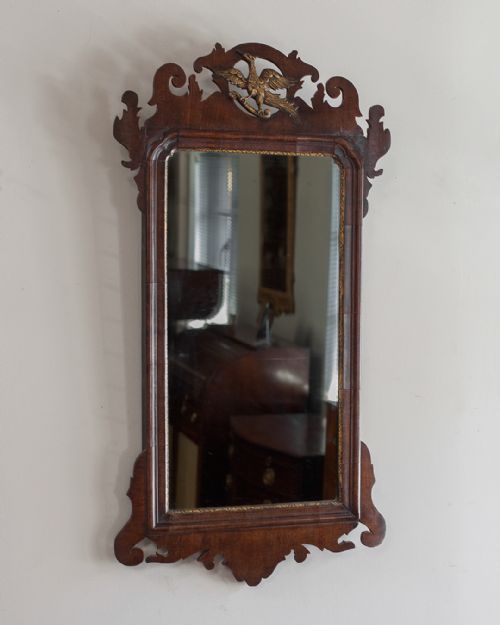
When you search for an 18th century fret mirror, you are looking at wall-hanging pier and wall glasses framed in shaped, pierced timber. The examples meeting you here span the Georgian and George II periods, alongside later nineteenth-century interpretations.
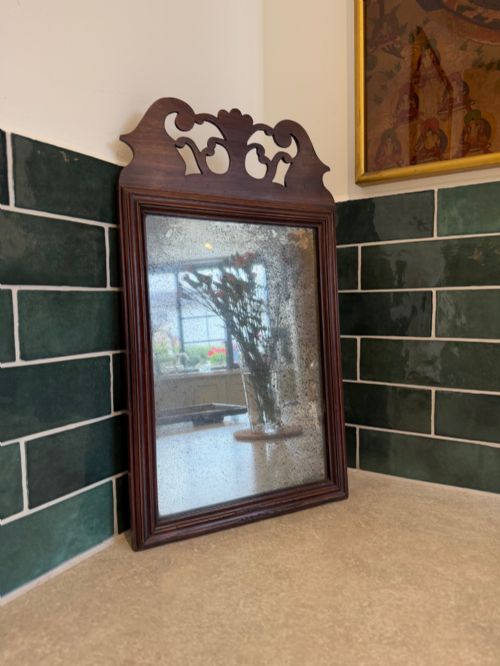
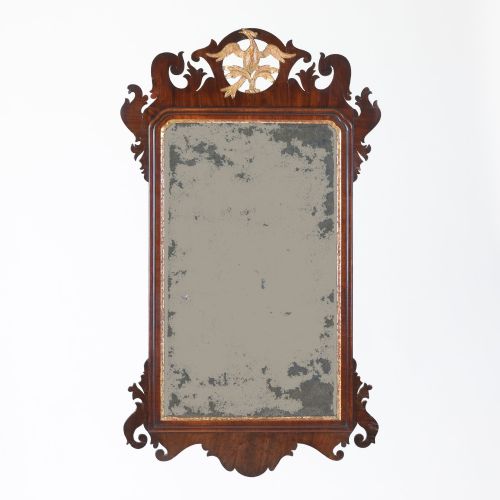
Most pieces on this page are constructed from mahogany or walnut, frequently featuring carved fret-cut scrolls and pierced crestings. You will encounter both modest small wall mirrors and large console or pier mirrors designed for principal reception rooms.
These glasses serve as primary decorative focal points, combining utilitarian reflective surfaces with intricate woodworking. Their silhouettes range from simple scrollwork to elaborate designs incorporating gilded details.
How they were made
Cabinetmakers shaped the timber frames using fine saws to cut the intricate fretwork patterns seen along the borders and crests. Mahogany and walnut veneers were applied to primary woods, or solid boards were carved directly.
Makers integrated mirror glass, occasionally retaining original Vauxhall plates with bevelled edges, secured from behind with panelled wooden backs. Giltwood accents and parcel-gilding enhanced specific carved elements like classical birds or floral motifs.
A stylized oriental phoenix, known as the Ho-ho bird, frequently perches atop the carved crests to gaze down at passers-by.
What varies in quality
The sophistication of the fret-cut silhouette largely defines the tier of a piece, with crisply pierced scrolls and balanced proportions marking superior work. The selection of timber grain, particularly figured walnut or rich mahogany, further elevates the object.
Originality of components, such as early mirror glass and intact gilded crests, separates standard examples from exceptional survivals. The precision of the joinery and the depth of the carved mouldings indicate the skill of the original workshop.
The 18th Century Fret Mirror Glossary
- Fretwork
- Openwork carving produced by piercing thin boards with a fine saw. This technique creates the decorative scrolled borders characteristic of these glasses.
- Pier glass
- A tall mirror designed to hang on the wall between windows. These pieces often matched console tables placed underneath.
- Vauxhall plate
- Mirror glass produced in England, known for a slight distortion and thick bevels. Such plates indicate early manufacture.
- Parcel gilt
- Woodwork decorated with partial applications of gold leaf. This technique highlights carved details against a dark timber background.
- Ho-ho bird
- A stylized Chinese phoenix motif frequently carved onto the crests of Georgian mirrors. It appears often on pieces associated with Chippendale designs.
18th Century Fret Mirror: Frequently Asked Questions
What is an 18th century fret mirror?
An 18th century fret mirror is a wall-hanging glass featuring a wooden frame shaped with pierced, scrolled fretwork. These pieces date primarily from the Georgian era and utilise timbers like mahogany and walnut.
Craftsmen designed them as decorative wall furnishings for principal rooms, combining reflective glass with intricate woodwork.
Where should I hang a fret mirror?
These mirrors suit principal reception rooms, hallways, or above mantelpieces where their proportions can be appreciated. Historically, pier mirrors hung on the wall space between windows above low console tables.
Ensure the wall fixings safely support the weight of the solid wood frame and glass plate.
How do I spot original glass?
Original glass often exhibits minor surface imperfections, subtle waviness, and slight foxing or darkening around the edges. These characteristics arise from eighteenth-century manufacturing methods.
Replacement glass typically appears entirely clear, flat, and lacks the historical depth of an antique plate.
What wood types are most common?
Mahogany and walnut dominate the surviving examples from the eighteenth century. Makers selected these dense timbers for their stability and rich grain.
Some pieces incorporate parcel-gilt details or gilded wood elements to accent the carved crestings and borders.
How do I care for my mirror?
Keep the piece away from direct sunlight and fluctuating humidity to protect the timber frame and historic glue joints. Dust the fretwork gently with a soft, dry brush.
Clean the glass sparingly with a cloth slightly dampened with water, avoiding harsh chemicals that might seep behind the plate.