


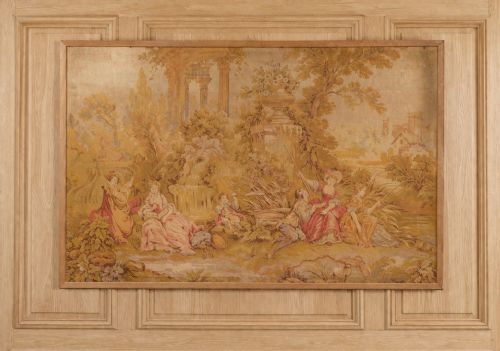

18th Century French Tapestry
An 18th century french tapestry brings historic European textile art into a room with rich verdure scenes and sophisticated woven detail.
18th Century French Tapestry
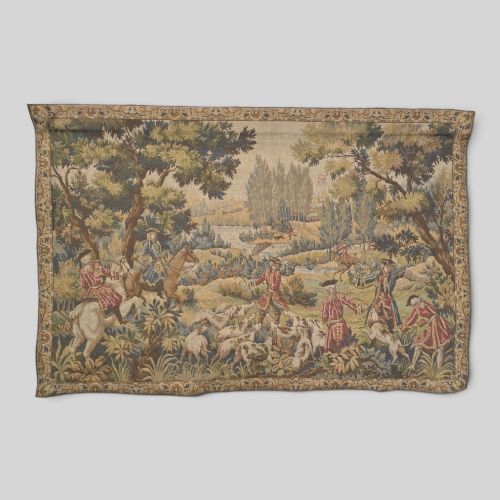
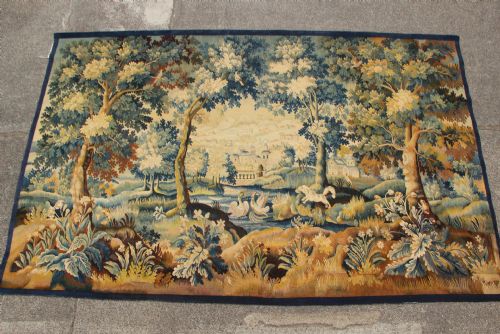
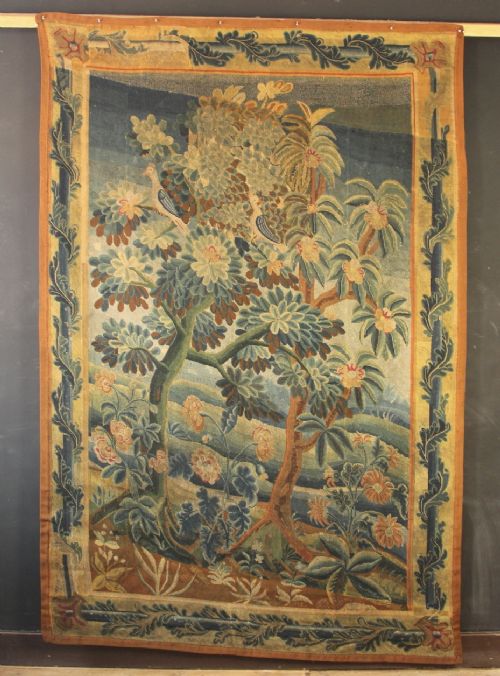
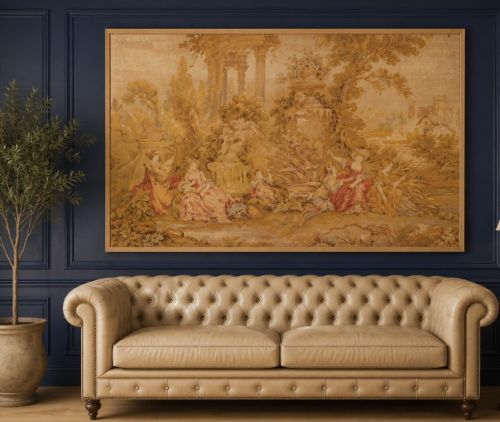
When you search for an 18th century french tapestry, you encounter large wall hangings, pastoral panels, and textile art created during the 1700s, alongside later interpretations from the nineteenth and twentieth centuries. The selection frequently includes verdure scenes depicting woodland foliage alongside framed panels and needlework pictures.
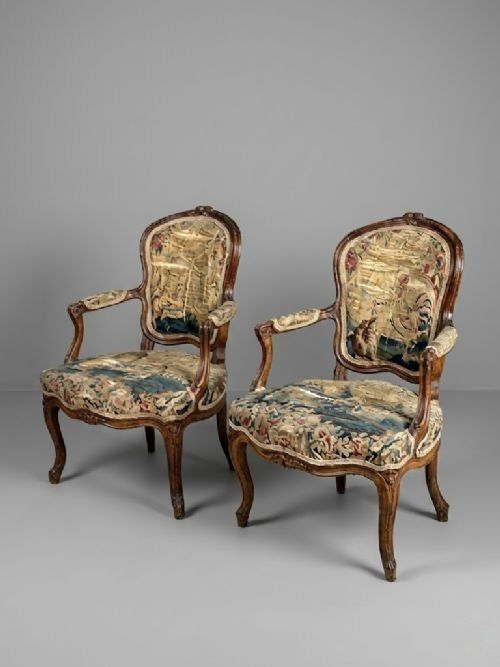
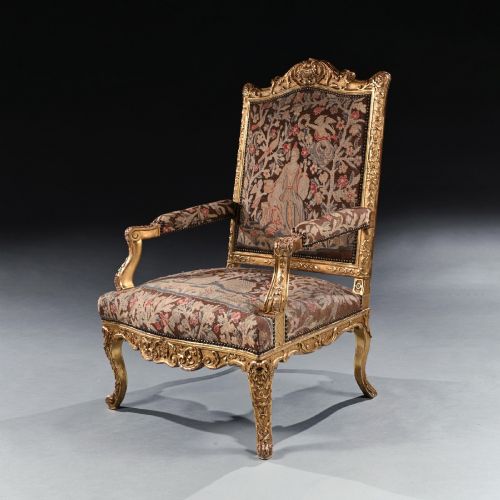
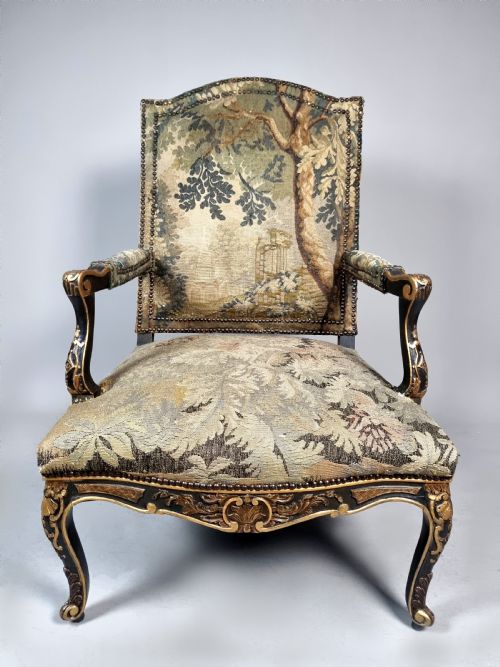
You will also find seating furniture upholstered in period textiles, including armchairs, settees, and sofas from the Louis XV, Louis XVI, and Regence periods. These pieces combine carved wood frames in giltwood, walnut, or painted finishes with authentic woven seat covers.
How they were made
Weavers constructed these textiles primarily using wool and silk threads, often mounted to linen for structural support in wall displays. Artisans also utilised cotton and needlepoint techniques to build intricate pictorial surfaces.
The wooden frames supporting the upholstered seating utilise walnut, giltwood, and carved timber. Craftsmen shaped these structural supports to match the prevailing French Baroque, Rococo, and neoclassical design aesthetics of the era.
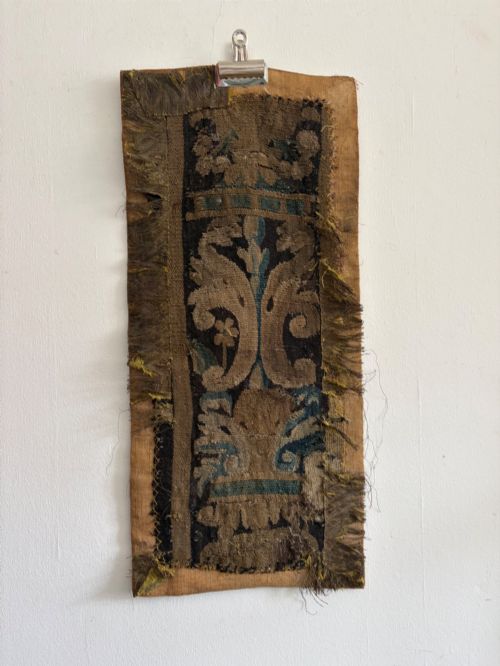
Some wall art pieces began life as border fragments before finding new life mounted neatly onto linen.
What varies in quality
The sophistication of the pictorial design and the fineness of the weave separate exceptional wall art from standard fragments. Verdure scenes with varied botanical detailing and complete compositional borders demand closer attention.
The integrity of the underlying textile, whether silk velvet, needlework, or woven wool, determines the overall standard. Original framing and mounting methods also influence how successfully the textile survives.
The 18th Century French Tapestry Glossary
- Verdure Tapestry
- A wall hanging featuring a landscape dominated by lush foliage, trees, and often birds or animals. These pastoral scenes draw inspiration from woodland settings.
- Aubusson
- A town in France renowned for producing woven wall hangings and carpets. Pieces bearing this origin utilise traditional regional weaving techniques.
- Fauteuil
- An open-arm armchair with upholstered back and seat, typically featuring exposed wooden framing. This style originates from French design periods like Louis XV and Regence.
- Ciseler
- A method of finishing velvet textiles to create patterned surfaces through cut and uncut loops. This technique adds tactile depth to the fabric.
18th Century French Tapestry: Frequently Asked Questions
How do I hang a large textile?
Large wall hangings require specialised mounting to distribute the weight evenly across the fabric without causing structural strain. Many examples arrive mounted to linen or fitted within protective frames.
Ensure you hang textiles away from direct sunlight and excessive humidity to protect the delicate wool and silk fibres from fading or deterioration.
What is a verdure scene?
A verdure scene depicts a stylised woodland landscape filled with trees, foliage, and occasionally small animals or distant architectural ruins. These designs gained popularity for bringing natural elements indoors.
The colour palette relies heavily on greens, browns, and earthy tones that have often mellowed gracefully over the centuries.
How do I identify a Regence piece?
Regence period items display transitional design characteristics bridging heavy Baroque forms and lighter Rococo curves. Look for carved giltwood frames with restrained symmetry and bold structural lines.
Upholstered seating from this era often pairs these robust frames with needlepoint or tapestry covers.
Can I use these chairs daily?
Period armchairs and settees require mindful handling due to their age and delicate wooden frames. While structurally sound, they suit light use rather than heavy daily lounging.
Rotate seating locations carefully and protect antique needlework upholstery from friction and stains to preserve the fabric.