

Needlework Wall Hanging
A needlework wall hanging brings texture, warmth and centuries of hand-stitched artistry directly into a room.
Needlework Wall Hanging
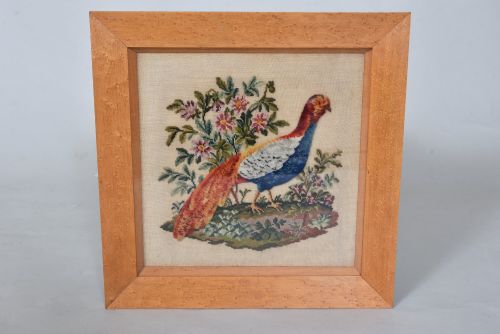
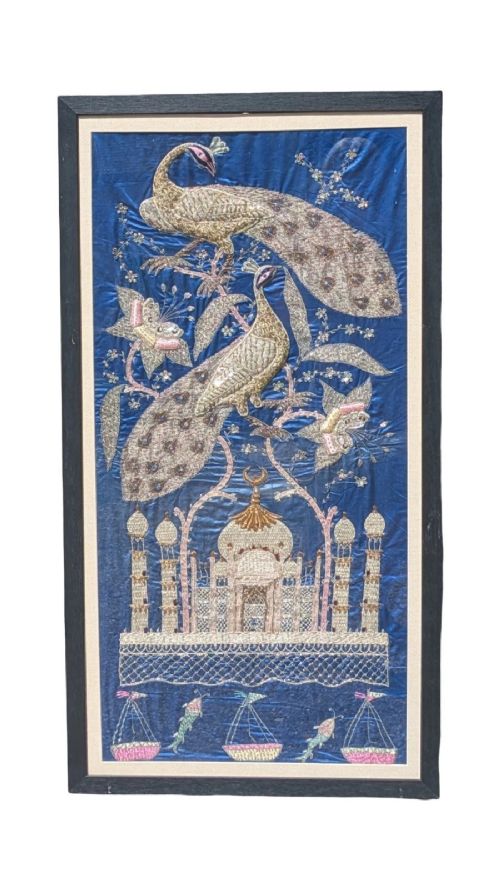
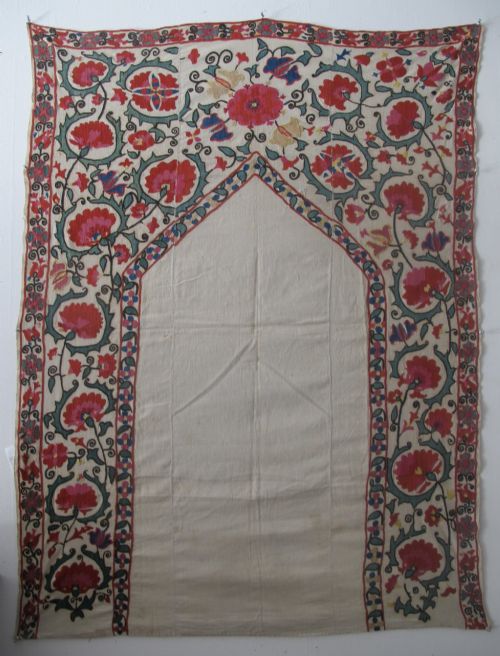
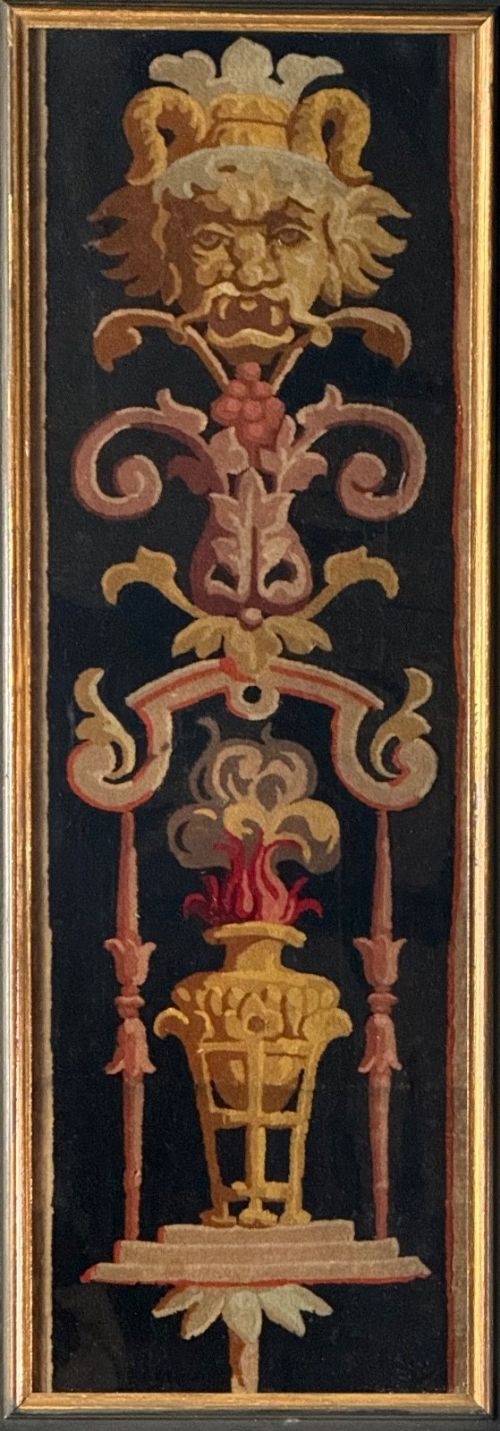
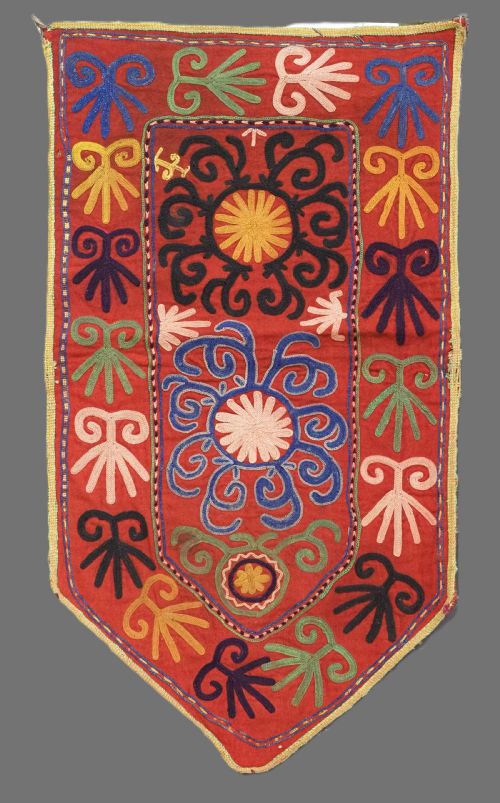
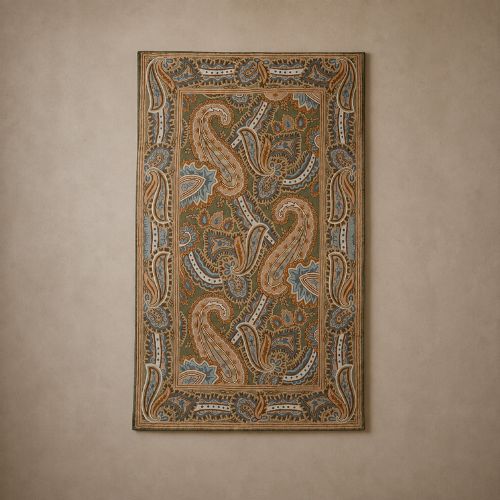
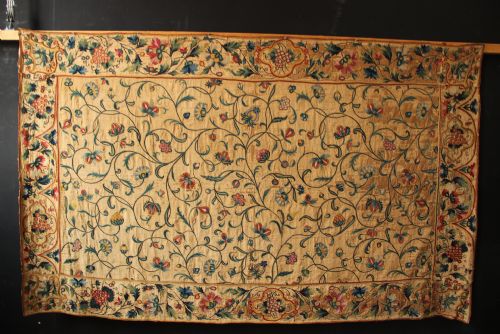
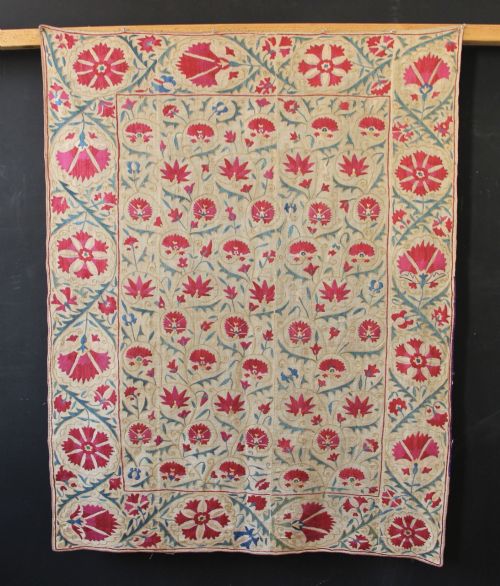
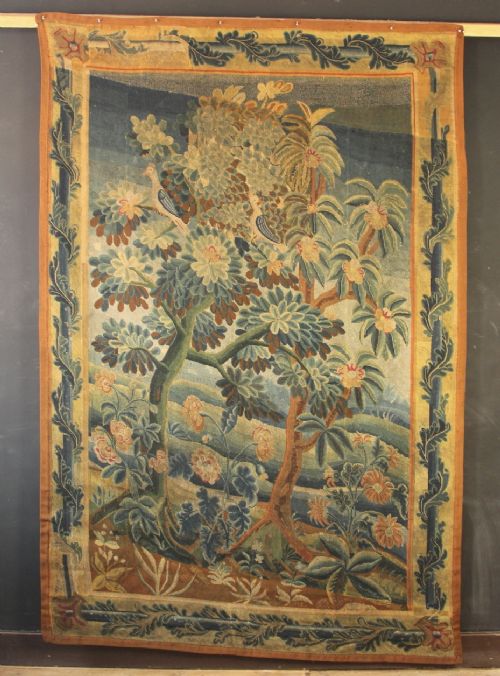
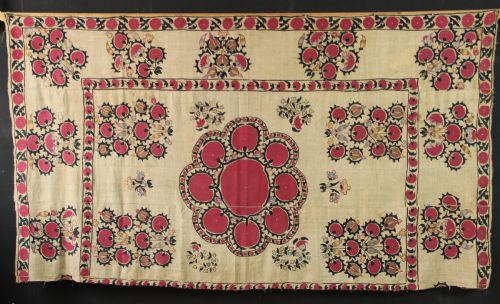
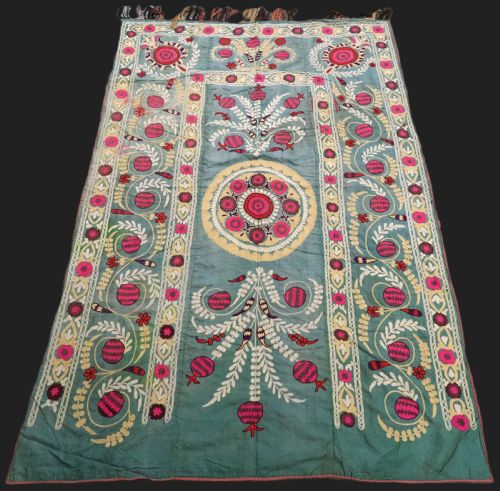
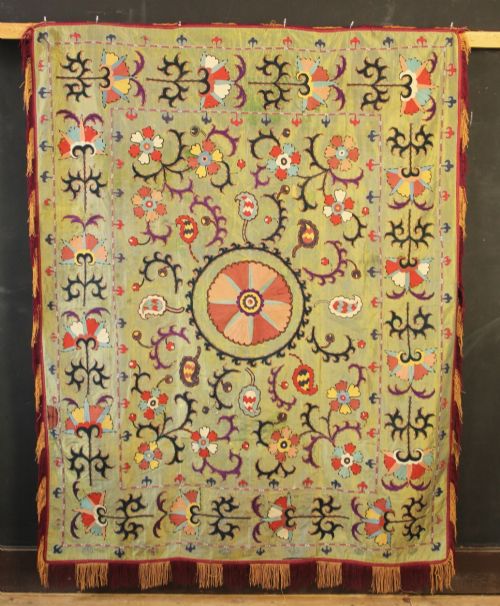
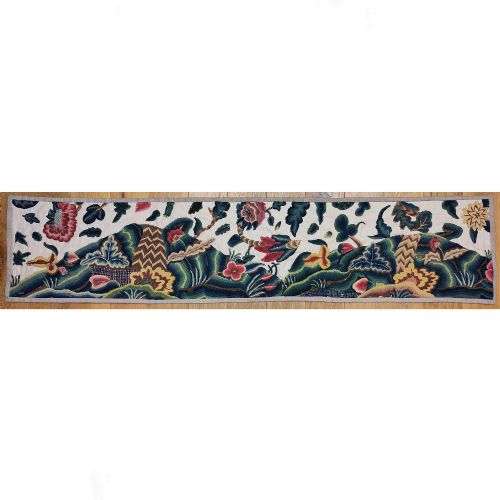
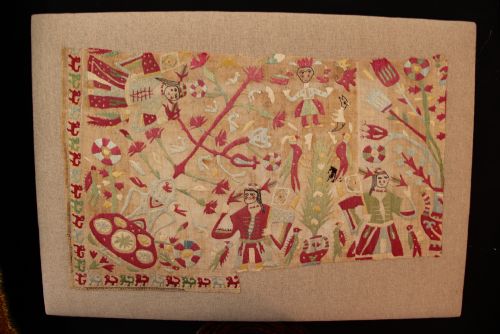
When you search for a needlework wall hanging, you encounter a diverse array of historical textiles originating from European workshops, English country houses and Central Asian tribal regions. These pieces include large embroidered suzanis, intricate crewelwork panels, framed samplers and traditional ceremonial covers adapted for display.
Materials and construction
Makers utilised natural foundations such as linen, cotton, wool, canvas and felt as the base for their intricate compositions. Silk and wool threads were then applied using specialised stitches, ranging from fine crewelwork to complex appliqué and petit point.
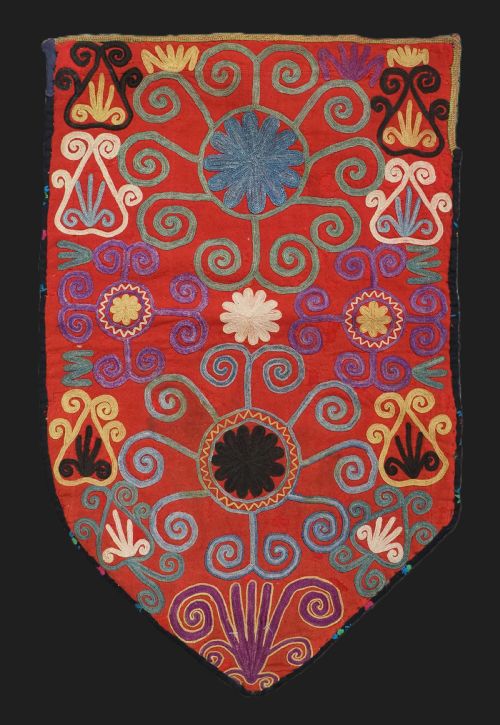
Many Central Asian and Persian examples employ vibrant silk embroidery on cotton or felt grounds, while European pieces frequently rely on wool and silk threads stitched onto sturdy linen or canvas backing. These durable combinations have allowed delicate needlework to survive centuries of use.
Evaluating the work
Quality in these textiles rests upon the density of the stitching, the intricacy of the design and the preservation of the original materials. Finer examples display tight, even stitches that create complex pictorial depth, whereas simpler pieces show broader, more relaxed execution.
The vibrancy and stability of the surviving dyed threads also influence the character of a piece. Well-preserved silk or wool retains a rich visual impact that elevates the entire textile, distinguishing exceptional workshop or tribal output from standard domestic work.
The Needlework Wall Hanging Glossary
- Suzani
- An embroidered tribal textile originating from Central Asia, traditionally worked in silk on a cotton or linen ground. These large decorative hangings often feature bold floral medallions.
- Crewelwork
- A traditional form of surface embroidery utilising wool thread on a sturdy linen or twill fabric. It is particularly associated with early English decorative panels.
- Petit point
- A form of needlepoint worked on fine single-thread canvas using tent stitch. This technique allows for highly detailed, painting-like pictorial scenes.
- Appliqué
- A sewing technique where pieces of fabric, such as felt or silk, are sewn onto a larger foundation material to build up a design. Persian Rasht embroideries frequently employ this method.
- Sampler
- A piece of needlework produced to demonstrate a maker's skill with various stitches, alphabets or patterns. They provide valuable dating and regional evidence.
Needlework Wall Hanging: Frequently Asked Questions
How do I hang a textile safely?
Heavy textiles require even weight distribution, so conservation-grade Velcro or a custom-built padded wooden batten is often utilised by collectors. Avoid hanging pieces in direct sunlight to protect natural silk and wool threads from fading.
For framed needlework, ensure the glass does not press directly against the surface stitches. Spacer frames maintain a protective gap that preserves the texture of the embroidery.
What is the difference between a suzani and a tapestry?
Suzanis are embroidered textiles created by stitching threads onto a pre-woven fabric foundation, typically originating from Central Asian regions like Uzbekistan. They usually feature vibrant floral and medallion motifs.
Tapestries are woven on a loom where the design is integrated directly into the fabric structure during creation. European tapestries often depict classical, architectural or figurative scenes.
Can I date a piece by its motifs?
Design motifs offer strong clues regarding origin and period, as regional styles shifted over centuries. For instance, classical English crewelwork often displays scrolling tree-of-life patterns, while Central Asian suzanis feature distinctive sunburst medallions.
Combining stylistic analysis with the examination of backing materials and thread types helps confirm the approximate age of the textile.