
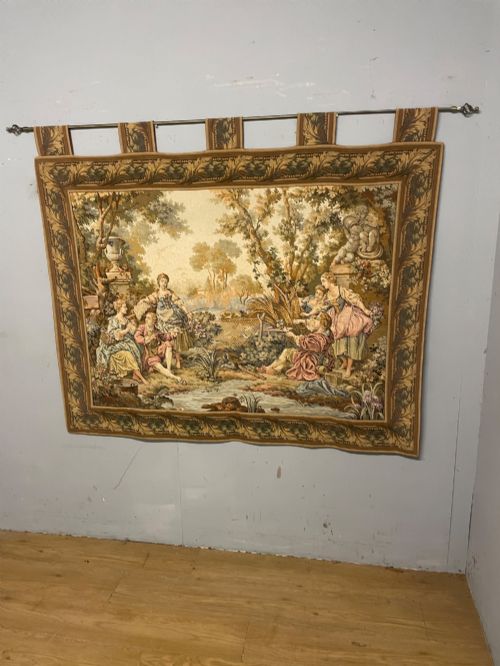
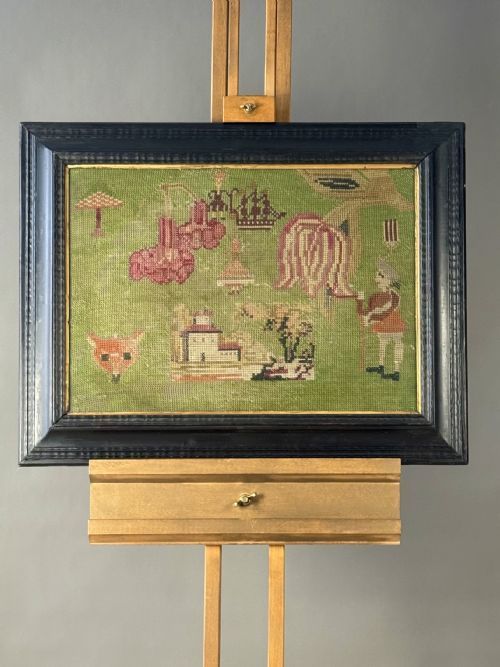
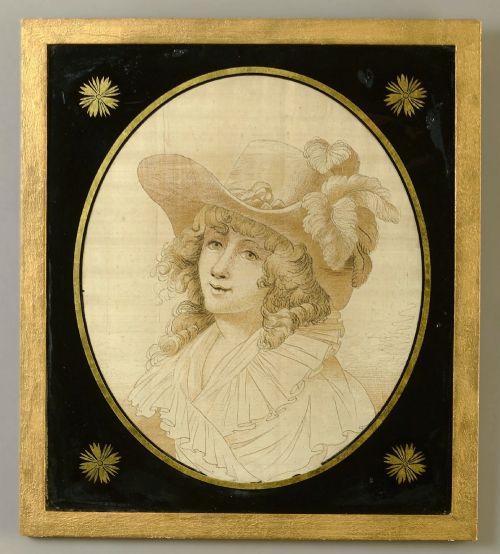
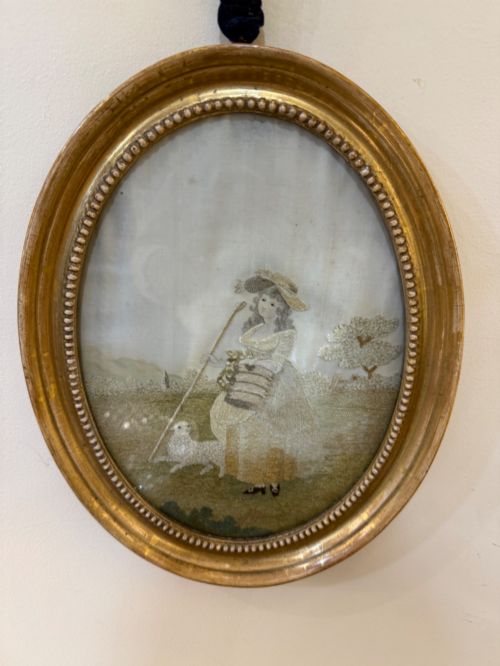





18th Century Framed Textile
An 18th century framed textile brings historical needlework and tapestry directly onto the wall, offering a tangible link to past domestic craft.
18th Century Framed Textile
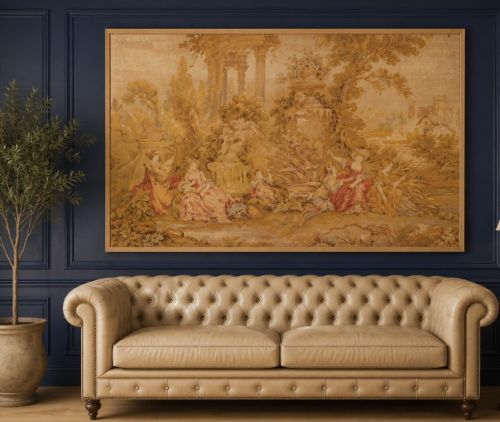
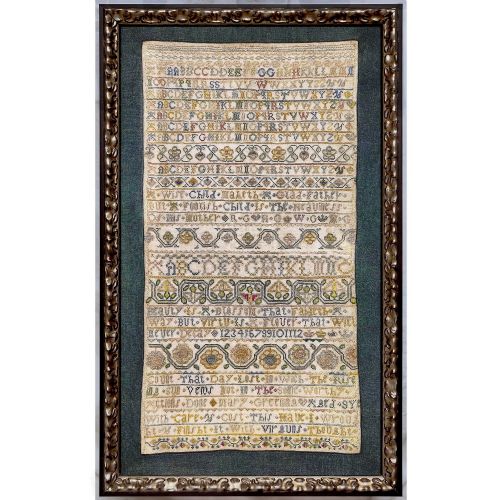
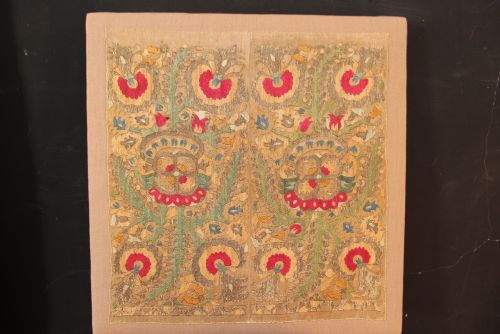
When you search for an 18th century framed textile, you encounter a diverse group of works ranging from needlework pictures and band samplers to tapestry panels and embroidered maps. These pieces originate from various regions including England, France, the Netherlands, and Greece, reflecting distinct regional styles of needlework.
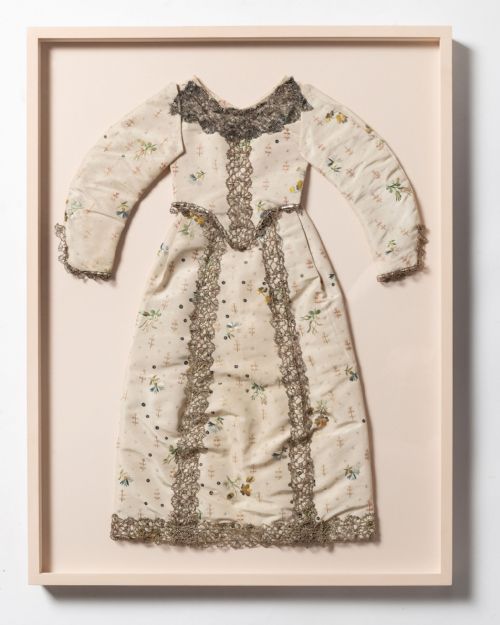
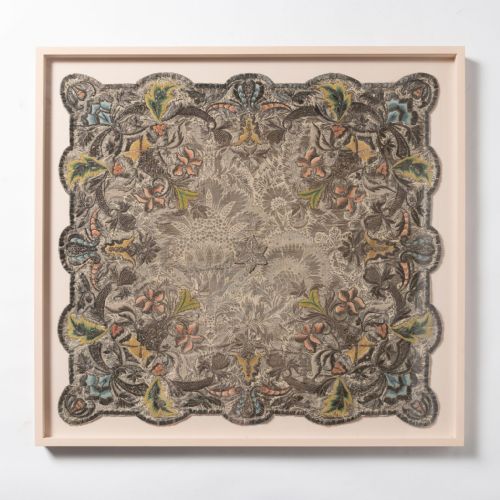
The most common examples on this page are needlework samplers and framed panels executed in silk, wool, and metallic thread. Many are set behind glass within period timber frames, preserving fragile historic fabrics for display as wall art.
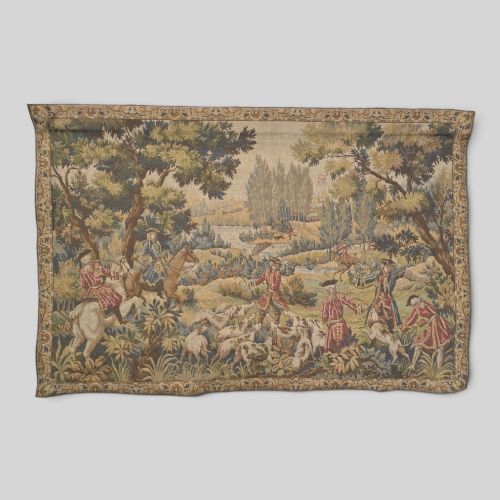
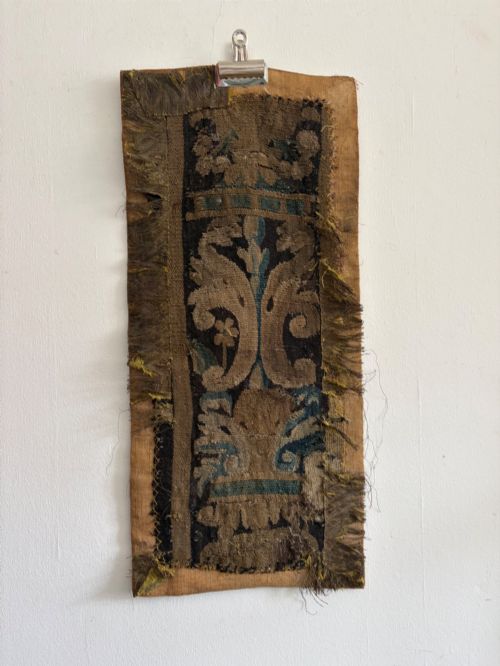
Works span from verdure tapestry fragments and pastoral farming pictures to detailed maps of England and Wales. Each piece demonstrates the domestic or professional needlecraft of the period, often mounted on linen or stretched within wood or giltwood surrounds.
Materials and Technique
Makers utilised fine base grounds of linen and cotton to support intricate stitching executed with silk floss, wool, and metallic threads. These components were worked using various embroidery stitches to build up pictorial scenes, topographical maps, and formal samplers.
Framing methods involve mounting fragile textile fragments and panels onto linen backings before housing them behind glass within wood, giltwood, or water gilded frames. This construction protects the delicate threads and woven surfaces from environmental degradation.
Listings feature periods spanning from the late 17th century through the Georgian era and into the 20th century.
Execution and Preservation
The standard of a piece depends heavily on the precision of the needlework and the complexity of the pictorial design. Finer works display meticulous control of silk and wool threads to render detailed facial expressions, landscapes, and lettering.
Preservation of the original textile and its housing dictates the integrity of the object. Examples retaining their early glass, stable silk threads, and original giltwood or wood frames command greater attention from collectors.
The 18th Century Framed Textile Glossary
- Sampler
- A piece of needlework produced as a demonstration or test of skill in various stitches, frequently including alphabets, numbers, and motifs. These often record the maker's name and a date.
- Verdure Tapestry
- A type of woven wall hanging or panel depicting a stylized landscape filled with foliage, trees, and occasionally animals. Surviving portions often appear as mounted fragments.
- Toile de Jouy
- A cotton or linen fabric printed with a repeating pastoral or narrative design in a single monochrome colour. Framed fragments preserve these historic printed textiles.
- Giltwood
- Wood carved and coated with gold leaf or a gold-coloured finish. This material frequently frames formal 18th-century needlework pictures.
- Band Sampler
- An early form of sampler featuring horizontal bands of varied embroidery patterns stitched across a long strip of linen. These highlight a broad repertoire of individual stitch techniques.
18th Century Framed Textile: Frequently Asked Questions
How do I hang a textile safely?
Keep framed pieces away from direct sunlight and moisture to protect delicate silk and wool threads.
Ensure the hanging wire and wall fixings adequately support the weight of the wood and glass frame.
Are these pieces mounted behind glass?
Many examples are placed behind glass within wood or giltwood frames to shield the fabric from dust and handling.
Some larger tapestry panels remain unglazed when mounted directly onto supportive linen backing.
How can I tell the age?
Examine the stitching materials, such as silk floss, wool, and metallic thread, alongside the weave of the linen ground.
Named samplers often bear stitched dates or makers' names that help confirm the period of creation.
What is a needlework picture?
A needlework picture is a framed textile designed specifically as pictorial art rather than a functional sampler.
These often depict pastoral scenes, portraits, or religious subjects using varied embroidery threads.